
TL;DR

Get pool and patio gear delivered free with Prime
- Fast, free delivery on millions of items
- Prime Video, Amazon Music and more included
- Member-only deals all year
A Gardening Know How report says fall cleanup can help reduce some garden pests by removing overwintering eggs, adults and infested plant material. It describes where to look for seven pests, while cautioning that leaf litter and hollow stems can shelter beneficial insects and should not all be cleared away.
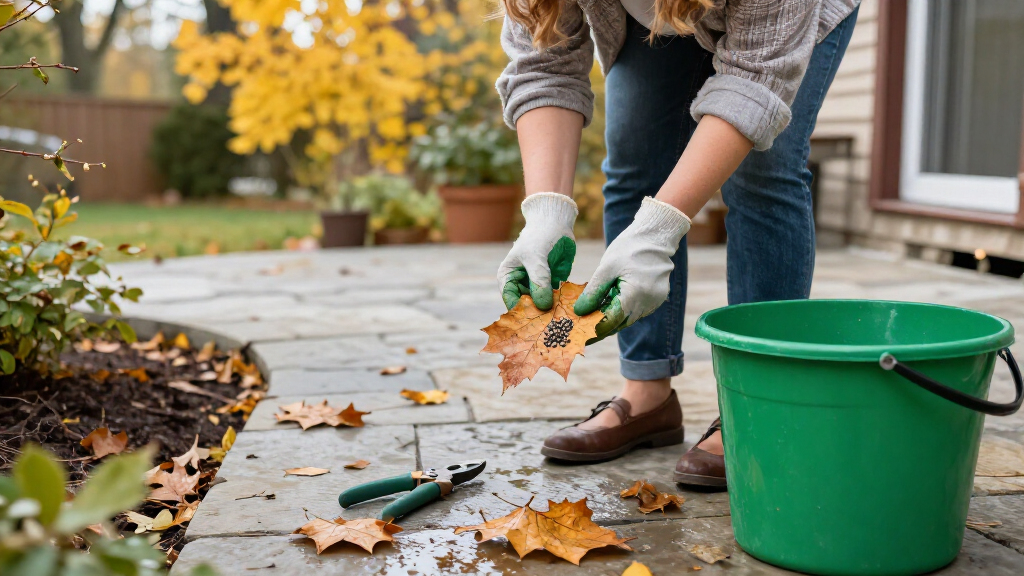
Gardening Know How has published a fall-cleanup guide identifying seven garden pests that may spend winter as eggs, dormant adults or other resting stages in plant debris, twigs and on outdoor surfaces. The report says removing targeted pest habitats before spring can help limit later infestations, while warning that indiscriminate cleanup can also remove places where beneficial insects overwinter.
The guide names squash bugs, viburnum leaf beetles, eastern tent caterpillars, spongy moths, iris borers, scale insects and aphids. Their overwintering sites differ: squash bugs may shelter beneath dead vines, boards or leaf litter; viburnum leaf beetles and aphids can leave eggs on twigs; and spongy moths lay visible, fuzzy egg masses on tree trunks, fences and outdoor furniture.
For removal, the article recommends practices matched to the pest: disposing of spent squash vines, pruning egg-bearing twigs, cutting back iris foliage after a hard frost, and scraping spongy moth egg masses into soapy water. Scale insects may be scraped from stems. The source also mentions dormant oil or other pest treatments for some cases, but product choice and timing should follow label directions and local guidance.
The report says a pest’s presence and life stage can vary, and some eggs are difficult to spot. It advises focusing cleanup on plants that had problems rather than stripping every bed. Lady beetles and ground beetles can shelter in leaf litter, while some native bees use hollow stems, so retaining suitable habitat can protect beneficial insects.
Targeted Cleanup Can Limit Spring Pests
Removing accessible egg masses or infested plant material may reduce the number of pests that emerge in spring, particularly where a garden had damage during the past growing season. The guide describes this as a practical seasonal control step, not a guarantee that a pest will be eliminated: eggs may be missed, and pests can return from nearby areas.
The advice also highlights a trade-off for gardeners. A completely cleared garden may lose overwintering habitat for beneficial insects as well as pests. Selective cleanup—prioritizing known problem plants and visible pest sites—can address that risk more carefully than removing all leaves and stems.
Products Worth Considering

Philips Hue Bridge Pro Smart Lighting Hub

Bose S1 Pro+ Portable PA Speaker

Bose TV Speaker Compact Soundbar with Bluetooth and HDMI-ARC, Black
As an affiliate, we earn on qualifying purchases.
Where the Seven Pests Overwinter
Many insects survive cold weather in a resting stage, including as eggs, pupae or dormant adults. According to the report, they often remain in one location until spring, making some egg masses and shelters easier to find after leaves fall and branches are exposed. The article says a single egg mass can contain many eggs, though it does not quantify how much a particular cleanup will reduce future pest numbers.
The recommendations are seasonal and depend on identifying the pest correctly. For example, the article suggests waiting until after a hard frost before removing iris foliage because iris borer moths may continue laying eggs until then. It also says gardeners should inspect potted citrus for scale before moving plants indoors, where the insects may continue breeding.
Limits and Identification Questions
The source does not provide a field study, measured estimate of pest reduction, or independent evaluation of the recommendations. Its guidance is a gardening report, and effectiveness may vary with local climate, pest pressure and the condition of individual plants. It is also not clear from the report how often gardeners will mistake a beneficial insect’s shelter or an unrelated mark on a branch for a pest sign.
Some suggested treatments are product-specific, and the article does not establish that every product is appropriate for every plant or location. Gardeners should identify the pest, check the product label and consult local extension or agriculture authorities for region-specific advice before using pesticides. The report does not say that fall removal alone will prevent spring infestations.
Inspect Problem Areas Before Spring
The report’s immediate recommendation is to inspect plants and outdoor surfaces during fall cleanup, with particular attention to areas affected by pests earlier in the year. Remove identified pest material using the method appropriate to it, and leave some leaf litter or hollow stems where they can support beneficial wildlife. For pests that hatch in spring, the article points to continued monitoring and, where suitable, treatment at the relevant life stage.
Gardeners should recheck trees, shrubs and perennial beds as the seasons change. Local extension services can help confirm identification and timing, especially before pruning or applying a treatment. What remains practical next season will depend on whether the pests return and whether the targeted cleanup reduced visible damage.
Key Questions
Which pests does the fall-cleanup report cover?
It covers squash bugs, viburnum leaf beetles, eastern tent caterpillars, spongy moths, iris borers, scale insects and aphids, describing where each may overwinter.
Should I remove all leaves and stems from my garden?
No. The report advises focusing on known pest problems rather than clearing every bed. Leaf litter and hollow stems can provide winter shelter for beneficial insects and native bees.
When should iris foliage be removed?
The article recommends waiting until after a hard frost, since iris borer moths may continue laying eggs until then. It says to dispose of the old foliage rather than composting it.
Does fall cleanup guarantee fewer pests next year?
No. The report presents targeted removal as a way to help reduce some overwintering pests, not a guarantee. Eggs can be missed, and pests may come from nearby areas.
Should I use the pesticides mentioned in the report?
Only after identifying the pest and checking the product label and local guidance. The report does not establish that a product is suitable for every plant or region; local extension or agriculture authorities can advise on timing and options.
Source: gardeningknowhow.com