TL;DR
Automatic pool vacuums pick up debris with less hands-on effort, but they do not replace brushing, skimming, water testing or chemical balancing. Suction, pressure and robotic models differ in how they connect, collect debris and cover a pool, so compare compatibility, filtration, upkeep and total cost before buying.
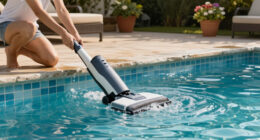
A pool can look clear at breakfast and collect a drift of leaves by afternoon. Automatic pool vacuums help with that daily mess, moving across the floor while you handle something else. The right model can save time; the wrong one can struggle with your pool’s shape, clog often or depend on equipment you don’t have.

Get pool and patio gear delivered free with Prime
- Fast, free delivery on millions of items
- Prime Video, Amazon Music and more included
- Member-only deals all year
This guide explains how suction-side, pressure-side and robotic cleaners work, what each handles well, and which details to check before buying. You’ll also see what a vacuum can’t do, from removing floating debris to balancing water chemistry. Think of it as a helpful cleaning tool, not a substitute for the rest of your pool routine.
Suction-side cleaners send debris into the pool’s filtration system; many pressure-side models collect it in an onboard bag; robotic models generally have thei…
Check pool type, surface, shape, steps and slopes against the model’s stated compatibility before buying.
Match debris capacity and filtration to what lands in your pool: large leaves, sand and fine dust make different demands.
Compare total ownership costs, including pump or power needs, cleaning time, replacement parts and warranty support.
Keep brushing, skimming and water testing in your routine; a vacuum does not replace them.
What automatic pool vacuums clean—and what they leave behind
Automatic pool vacuums collect loose debris from the pool, usually from the floor and sometimes from walls or the waterline, depending on the model. That distinction matters because debris moves: leaves may float first, then sink, while fine grit settles in corners or along seams. A cleaner that reaches only the floor can handle settled dirt, but it won’t remove floating leaves before they reach the skimmer or scrub a film that has stuck to a wall.
Imagine a windy afternoon scatters oak leaves and fine dust across your pool floor. A vacuum may pick up debris that settles, while your skimmer basket catches leaves floating on top. Brushing helps loosen material stuck to walls, corners or steps before it settles or builds up. These jobs complement one another: a vacuum collects what it can reach, while brushing and skimming help move debris into places where it can be removed.
Coverage varies by model. Some cleaners are designed for floors only; others climb walls or scrub the waterline. Steps, benches, steep slopes and tight corners can still be difficult because cleaner movement depends on the surface, shape and path the unit can navigate. A wall-climbing model may cover more area, but that does not guarantee it will reach every step or corner. Check the manufacturer’s coverage details against your pool’s shape instead of assuming “automatic” means every surface gets cleaned.
A vacuum also doesn’t fix the cause of persistent algae. It may collect loose algae, but ongoing growth points to a water-treatment issue that cleaning alone won’t solve. Relying on repeated vacuum cycles can remove visible material without addressing the conditions that let it return. Keep testing and balancing the water, and continue brushing and skimming as needed.
Products Worth Considering

Roborock Q10 S5+ Robot Vacuum and Mop with Self-Emptying Station

Ring Battery Doorbell (2nd Gen) and Floodlight Cam Plus Wired Bundle

TCL 55-Inch R7D Series QLED 4K UHD HDR Roku Smart TV (55R7D, 2026)
As an affiliate, we earn on qualifying purchases.
Compare the three cleaner types before you buy
The main difference between automatic pool vacuums is how they move water and where they collect dirt. Those choices determine which pool equipment does the work, where debris ends up, and what maintenance shifts to you. Suction-side cleaners use the pool’s circulation system, pressure-side cleaners move with return-line pressure or a booster pump, and robotic cleaners generally run with their own pump and filter. A lower purchase price can come with more load on the pool filter; a more independent cleaner can cost more upfront but reduce that dependence.
| Type | How it works | What to check |
|---|---|---|
| Suction-side | Connects to a skimmer or dedicated suction line; the pool filter catches debris. | Pump capacity, filter load, hose fit and whether fine dust clogs the system. |
| Pressure-side | Connects to a return line or booster pump; many models collect debris in a bag. | Whether you need a booster pump, plus bag capacity and replacement parts. |
| Robotic | Uses electricity and generally its own pump and filter, separate from pool circulation. | Pool compatibility, filter access, power setup, and cable or battery limits. |
For example, a pool owner whose pump already runs for regular circulation may prefer a simple suction cleaner, but its debris goes into the pool filter. That can make the cleaner easy to connect while increasing how often the filter needs attention, especially with fine dust. Someone dealing with lots of leaves may appreciate a pressure-side model’s separate bag, which can keep larger debris out of the main filter; the tradeoff is checking whether a booster pump is needed and emptying the bag. A robotic cleaner may suit an owner who values independent operation and added features, though it usually costs more upfront and still needs its own filter cleaned.
There isn’t a universal winner. Compare the cleaner with your pool’s plumbing, debris load and budget, including the time and cost of upkeep. The best fit is often the one that puts less extra work on the equipment and maintenance routine you already have.
Match the vacuum to your pool and its mess
Choose an automatic pool vacuum by matching its coverage, filtration and connections to your pool and the debris you actually see. These details affect how often a cleaner can finish a cycle without stopping, how much work it adds to your pool system, and whether it can reach the places where dirt collects. A floor cleaner may be enough for a simple pool with light dust, while trees overhead or a curved layout can call for different coverage and debris capacity. Compatibility matters more than a long feature list.
Start with the pool itself: is it above ground or in ground, what is its surface, and does it have slopes, steps or benches? Some models are made for above-ground pools; others are designed for in-ground pools. The distinction can affect fit and movement, so a cleaner intended for another pool type may not travel reliably or suit the pool’s construction. Read the stated compatibility and check hose or cable length against your pool’s dimensions. A cleaner that cannot reach the far wall leaves you with manual cleanup even if its cycle is otherwise effective.
Then look at the mess. Large leaves can clog some systems, while fine dust can load a filter quickly or call for finer filtration. If your pool sits under a pine tree, a tiny debris basket could mean frequent interruptions. If fine grit is the main problem, ask how the filter handles small particles and how easily you can rinse it. A finer filter can capture smaller material, but it may need more frequent cleaning; a larger basket can hold more leaves but does not necessarily capture fine dust.
- Check coverage: Confirm floor, wall and waterline cleaning, plus any limits for steps and corners. More advertised coverage can save brushing time, but only if the cleaner can navigate your pool’s particular surfaces.
- Check debris handling: Compare bag, basket or filter capacity with your usual mix of leaves, sand and dust. More capacity can reduce interruptions, while an easy-to-rinse container can matter more than size when fine material builds up.
- Check operating needs: Look for pump requirements, electrical setup, hose or cable length, and any battery runtime or charging time. These determine whether a cycle fits your routine and whether the cleaner adds work or cost to existing equipment.
- Check serviceability: Find warranty terms and confirm that wear parts are available. Brushes, tracks and filters wear with use, so repair access can affect how long the cleaner remains practical to own.
Before choosing a cordless model, compare its advertised runtime and charging time with the size of your pool and the cleaning cycle you need. A short runtime may mean splitting cleaning across sessions, which can be inconvenient during heavy debris periods. Features such as app control, scheduling and navigation can add convenience, but they don’t guarantee better coverage in every pool; prioritize the parts of the job your current routine struggles with.
Use a simple buying checklist to avoid costly surprises
A short buying checklist helps you compare cleaners by the work they’ll do and the equipment they need. Don’t stop at the sticker price: a cleaner that needs a booster pump or frequent replacement parts may cost more over time, while a model that is easy to clean may save minutes after each cycle. Picture two similar-looking units on a store shelf; the better fit is the one that works with your pool and is easy for you to maintain.
- Write down your pool’s details. Note whether it’s above ground or in ground, its surface, shape, size, steps and slopes. These affect whether a model fits and how much of the pool it can reach.
- List the debris you see most. Separate large leaves from sand or fine dust, since different filters and collection systems handle them differently. This helps predict whether you’ll be emptying a bag often or cleaning a filter more frequently.
- Confirm the connection and power setup. Check whether the model needs a skimmer, suction line, return line, booster pump, outlet or battery charging. A connection that matches existing equipment can simplify setup; one that requires new equipment changes the total cost.
- Check coverage and cycle limits. Verify whether it cleans the floor only or also walls and the waterline, and ask how it handles pool features your model must reach. Broader coverage can reduce manual work, but only when the cleaner’s movement suits your pool.
- Estimate ownership costs and effort. Include electricity or pump use, cleaning the bag or filter, replacement parts, storage and warranty support. A small recurring task can add up over a season, so consider how often you expect to run the cleaner.
For example, a homeowner might favor a feature-rich robotic cleaner after noticing its mapping controls, then discover that a cordless version’s runtime and charging time don’t fit the pool’s needs. Checking those figures up front can save a frustrating return. Read manufacturer specifications carefully, and look for independent testing where available to assess performance claims.
Keep the cleaner working with quick, regular care
Routine upkeep keeps an automatic pool vacuum moving and collecting debris as intended. Emptying a bag, basket or filter after a heavy cleaning cycle takes only a few minutes, but leaving it packed can restrict flow or make the next run less effective. That reduced flow can mean more dirt stays behind and the cleaner may need another cycle, so a quick rinse by the pool can save time later. Rinsing also helps prevent a filter full of gritty dust from drying into a stubborn cake.
After a windy day, inspect the debris container before running another cycle. If a pressure-side bag is full of leaves or a suction cleaner has pushed fine material into the filter, clear it according to the manufacturer’s instructions. The collection route determines where the mess accumulates: pressure-side bags are handled separately, while suction-side debris adds to the pool filter’s load. Check hoses, brushes, tracks, wheels, cables and seals periodically for wear or tangles; catching a damaged part early can prevent poor movement or interruptions during a cycle.
Follow the maker’s storage directions. Some cleaners should come out of the water after a cycle. Prolonged exposure to sunlight or pool chemicals may shorten the life of certain components. Keep the unit in a shaded storage spot if its instructions recommend that, and avoid pulling it out by a cable or hose unless the maker says that’s safe for the equipment. Careful storage is a small habit that can protect parts you may otherwise need to replace.
Run frequency depends on pool use, weather, nearby trees and how quickly debris accumulates. Light dust may call for regular short cycles; leaf fall may mean more frequent runs and basket emptying. Running a cleaner more often can keep debris from building up, but it also means more filter cleaning and wear. Adjust the schedule to what actually lands in your pool rather than assuming a fixed cycle suits every season. Keep brushing, skimming and water testing in your routine, too. A clean floor is only one part of a well-kept pool.
Set realistic expectations for everyday pool care
An automatic pool vacuum reduces the debris you remove by hand; it doesn’t make pool care hands-free. Even a model that climbs walls may miss a step or tight corner, and a full filter can reduce its ability to collect dirt. Treat its cycle as one useful job in a routine that still includes brushing, skimming and water care. If you expect complete coverage without checking the pool, small missed areas can become the places where debris or buildup persists.
Suppose you run a cleaner after a weekend swim and the floor looks spotless, but a ring remains along the waterline. The vacuum may not be designed to scrub that area, or buildup may need brushing. Likewise, loose algae may enter the cleaner while the underlying water issue remains. Keep investigating the water conditions instead of assuming another vacuum cycle will solve it; otherwise the visible debris may disappear temporarily while the cause remains.
Match your expectations to the product specifications. Check whether your chosen cleaner handles walls and the waterline, how it performs with your pool’s shape, and what its manufacturer says about debris types. Recent models may advertise programmable schedules, mapping, app controls, finer filtration or waterline scrubbing. Those features vary widely, and claims deserve a careful look; navigation or smart controls don’t promise a perfect clean in every pool. A feature is useful when it addresses a specific limitation in your pool or routine, while extra controls add little if the cleaner already covers the areas you need.
A pool vacuum can handle settled debris; you still handle the whole pool.
That distinction helps you choose a cleaner for the time it can actually save. It also helps you plan for the remaining work, such as brushing missed surfaces, emptying filters and keeping water balanced, instead of expecting one appliance to replace every familiar task.
Frequently Asked Questions
Do automatic pool vacuums clean the whole pool?
Not always. Some clean the floor only; others climb walls or scrub the waterline, but steps, benches and tight corners can remain difficult. Check the model’s stated coverage against your pool’s shape.
Can a pool vacuum replace brushing or skimming?
No. A vacuum collects loose debris, brushing helps loosen buildup on surfaces, and skimming removes floating debris. You still need to test and balance the water.
Which type of automatic pool vacuum is best?
There’s no single best type for every pool. Suction cleaners use existing circulation equipment, pressure cleaners often collect debris in a separate bag, and robotic cleaners generally have their own pump and filter. Compare compatibility, total cost and the debris you collect most.
Will an automatic pool vacuum work with an above-ground pool?
Some models are designed for above-ground pools, while others are intended for in-ground pools. Check the stated compatibility, pool dimensions, wall and floor construction, and the cleaner’s connection requirements before buying.
Can a pool vacuum pick up leaves, sand or algae?
It depends on the cleaner’s collection system and filtration. Large leaves can clog some models, and fine dust may need finer filtration. A vacuum can collect loose algae, but ongoing algae usually points to a water-treatment problem that vacuuming alone won’t solve.
Does a robotic pool cleaner need the pool pump to run?
Many robotic cleaners operate with their own pump and filter, independently of the pool’s circulation pump. Suction-side and many pressure-side cleaners rely on pool plumbing and circulation equipment; check the product specifications for the exact setup.
Can I leave the cleaner in the pool after a cycle?
Follow the manufacturer’s storage instructions. Some cleaners should be removed after a cycle, and prolonged exposure to sunlight or pool chemicals may shorten the life of certain components.
Conclusion
Choose the cleaner that fits your pool’s shape, debris and equipment, then check what it costs to run and maintain. That match matters more than a crowded feature list. Automatic pool vacuums can remove dirt and debris with little hands-on effort, but brushing, skimming and balanced water still depend on you.
Think of the vacuum as a steady helper beneath the surface: useful while leaves drift overhead, but only one part of a clear, comfortable pool.