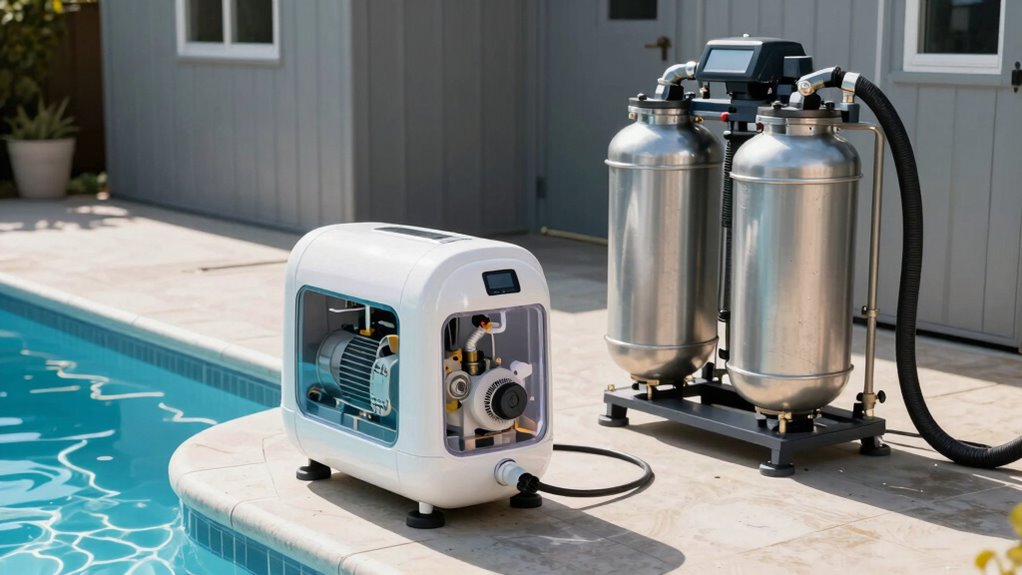

Residential pool equipment is designed for smaller, less frequent use, focusing on simplicity and affordability, while commercial systems are built for high-demand, continuous operation with heavy-duty, industrial-grade parts. Commercial setups feature advanced automation, energy-efficient technology, and strict safety standards, requiring regular inspection and maintenance. If you want to understand how these differences impact performance, durability, and overall costs, keep exploring to discover what suits your needs best.

Get pool and patio gear delivered free with Prime
- Fast, free delivery on millions of items
- Prime Video, Amazon Music and more included
- Member-only deals all year
Key Takeaways
- Commercial pool equipment supports higher circulation rates and continuous operation, unlike residential systems designed for smaller pools.
- Commercial systems use heavy-duty, industrial-grade components for durability and long-term performance.
- Residential equipment focuses on simplicity and affordability, whereas commercial systems meet strict safety and health standards.
- Commercial pools incorporate energy-efficient technology and automation to optimize operational costs.
- Maintenance is more frequent and automated in commercial pools, while residential pools require basic, occasional upkeep.
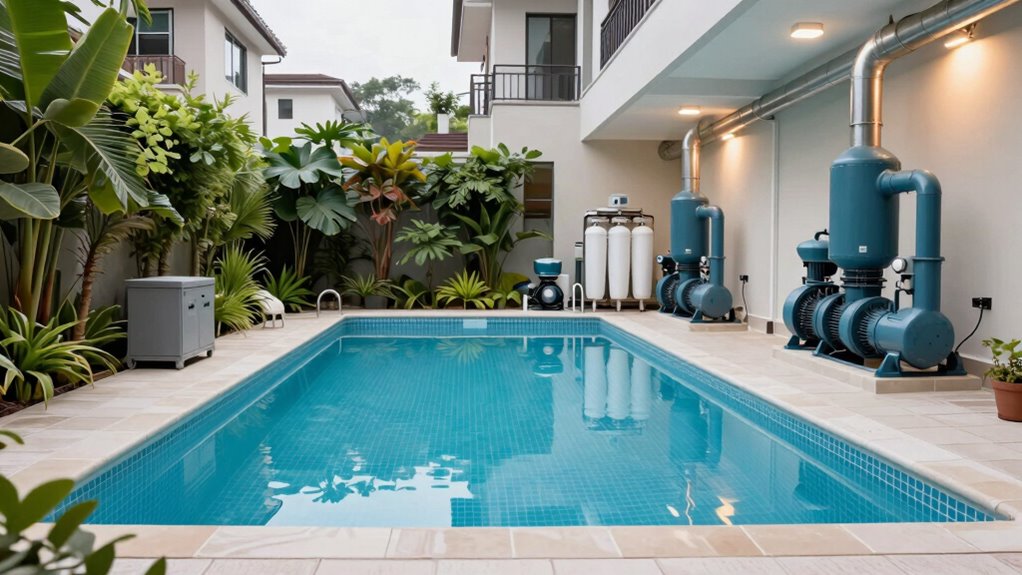
Have you ever wondered how pool equipment differs between residential and commercial settings? The answer lies in the scale, durability, and purpose of the systems. In residential pools, equipment is designed to handle the needs of a smaller, more personal space. You might find a single pump, a standard filter, and a basic heater, all tailored for occasional use and straightforward pool maintenance. These systems prioritize ease of use and affordability, making them suitable for homeowners who want reliable performance without complex features. On the other hand, commercial pools, such as those in hotels, gyms, or public facilities, demand more robust equipment. These setups must accommodate higher circulation rates, continuous operation, and stricter safety and health standards. You’ll see larger, industrial-grade pumps, heavy-duty filters, and advanced chemical control systems that require skilled operation. Additionally, commercial systems often incorporate energy-efficient technology to help reduce operational costs over long periods of use. Proper system design is essential to ensure the equipment functions efficiently and safely in high-demand environments. Furthermore, commercial systems often include automated control systems to assist with maintaining water quality consistently and reduce manual oversight. To ensure optimal performance and safety, regular inspection and maintenance are crucial, especially in high-use commercial pools. Investing in high-quality, heavy-duty components can also help extend the lifespan of equipment and minimize costly repairs. The equipment used in commercial pools is designed for longevity and long-term performance, reducing downtime and repair needs. This focus on durability means investing in high-quality, heavy-duty components that can withstand constant use.
Products Worth Considering

Samsung 48-Inch S90H OLED 4K Smart TV (2026)

Dyson V8 Cordless Vacuum
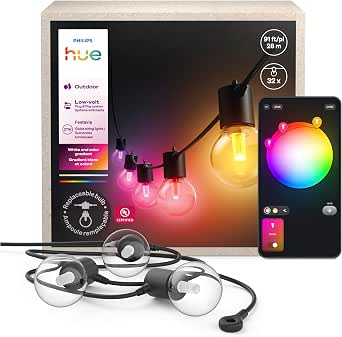
Philips Hue Festavia Globe Outdoor String Lights, 32 Bulbs, 91 ft
As an affiliate, we earn on qualifying purchases.
Frequently Asked Questions
How Often Should Residential Pool Equipment Be Maintained?
You should perform regular pool maintenance weekly to keep your residential pool equipment in top shape. This includes cleaning filters, checking chemical levels, and inspecting pumps. Proper maintenance prolongs the equipment lifespan and guarantees efficient operation. Don’t forget to schedule professional check-ups seasonally. Staying consistent with these tasks helps prevent costly repairs and keeps your pool sparkling clean all season long.
Are There Energy Efficiency Differences Between Residential and Commercial Pool Equipment?
Yes, there are energy efficiency differences between residential and commercial pool equipment. Commercial equipment often focuses on energy savings, using advanced features to reduce power consumption during operation. This focus helps extend equipment longevity, ensuring it lasts longer despite heavy use. As a result, commercial pool systems can be more cost-effective over time, while residential equipment prioritizes simplicity and lower upfront costs but may not always offer the same energy efficiency.
What Are the Safety Standards for Commercial Pool Equipment?
Commercial pool equipment must meet strict safety standards, unlike residential setups. You need to follow equipment regulations that prioritize pool safety, including proper grounding, emergency shut-offs, and corrosion-resistant materials. These standards guarantee the safety of bathers and staff, reducing accidents. By adhering to these safety guidelines, you help prevent electrical hazards, mechanical failures, and other risks, making your commercial pool a safe and compliant environment for everyone.
Can Residential Pool Equipment Handle Heavy Usage During Peak Season?
Residential pool equipment generally can’t handle heavy usage during peak season due to lower pool material durability and simpler installation processes. If your pool sees frequent, high-volume use, you might risk equipment wear or failure. Commercial systems are built for durability and can withstand constant use, but they also involve more complex installation. For heavy seasonal use, investing in commercial-grade equipment guarantees longevity and reliable performance.
What Warranties Are Available for Commercial Pool Equipment?
You’ll find that commercial pool equipment often comes with extensive warranty coverage, protecting your investment against defects and operational issues. Many suppliers also offer service agreements, which include routine maintenance and repairs, ensuring your equipment stays in top condition. When choosing commercial equipment, review the warranty details carefully to understand the coverage limits and duration, and consider ongoing service agreements for peace of mind and peak performance.
Conclusion
Imagine stepping into a pool where the water’s perfectly clear and inviting—thanks to robust, commercial-grade equipment. Whether you’re maintaining a backyard oasis or a bustling public facility, understanding the difference helps you choose the right tools. Think of residential equipment as a gentle breeze, suitable for personal use, while commercial gear is like a strong gust, built to handle the demands of many swimmers. With the right equipment, your pool becomes a revitalizing sanctuary, no matter its size.