
TL;DR

Get pool and patio gear delivered free with Prime
- Fast, free delivery on millions of items
- Prime Video, Amazon Music and more included
- Member-only deals all year
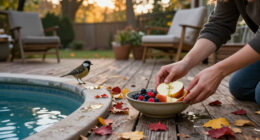
Gardening Know How has published four practical ways to slow or prevent bird-bath water from freezing: move the bath into winter sun, add a dark stone, float a light object on the surface or use a thermostatic de-icer. The report says birds need access to water in winter, but the effectiveness of the non-electric methods will depend on local weather and placement.
Gardening Know How has outlined four ways to help keep bird-bath water from freezing in winter, advising readers to move baths into a sunnier, sheltered spot, add a dark stone, float an object on the water or use a thermostatic de-icer. The recommendations matter because frozen natural water sources can leave birds with fewer places to drink and bathe, though the guide does not report test results comparing the methods.
The gardening guide recommends moving a bath to a spot that gets more winter sun than its summer location. It suggests placing it about 6 feet from a south-facing wall, which the report says may provide sunlight, shelter from northerly winds and reflected or stored heat. The best position will vary with the garden’s layout, sunlight and prevailing winds.
A second option is placing a dark, dense stone in the bath so it can absorb heat in sunlight and release it as the air cools. The source advises using a rock at least 4 inches across, with part of it above the water, while making sure it takes up no more than a third of the bath’s water space.
The other approaches are to float an object that moves with a breeze, disrupting ice formation, or install a thermostatic bird-bath de-icer. Gardening Know How recommends a heater rated between 60 and 120 watts and says a thermostat can switch it on in freezing conditions and off as temperatures rise. The guide also says to match the product to the bath’s size and check that its cord reaches the intended location.
Keeping Water Available in Cold Weather
Water supports more than drinking. The source says birds also need to bathe and preen, which helps keep feathers aligned and insulating. In winter, a reliable source may reduce the time and energy birds spend searching elsewhere, particularly when natural water is frozen.
The report also cautions that a bird bath that attracts more birds needs regular care. It advises topping up the water, removing fallen leaves and scrubbing the bath weekly. More visits can mean more opportunities for disease to spread, the source says, although it provides no data quantifying that risk.
Products Worth Considering

Philips Hue Festavia Globe Outdoor String Lights, 32 Bulbs, 91 ft

Ring Outdoor Cam 4K Plus Battery Security Camera, 3-Pack, White

Philips Hue Large Smart Light Tube, Black – White and Color Ambiance LED Color-Changing Light – 1 Pack
As an affiliate, we earn on qualifying purchases.
Why Winter Water Can Be Scarce
The guide describes how cold weather can reduce access to open water as ponds and other natural sources freeze. It says many small garden birds drink daily, and that birds eating seeds and nuts may need water to digest their food. The article also notes that small birds have limited body heat, making snow an unsuitable substitute in sub-zero conditions.
The recommendations are presented as household gardening advice, not as results from a controlled study. The report offers no comparison of how long each method keeps water open, or how performance changes across different temperatures, bath materials or wind conditions. Its product examples and wattage suggestions are guidance from the source, not independent product testing.
Limits of the Four Methods
No comparative performance data is provided. A sunny position or heat-absorbing stone may slow freezing, but the guide does not say that either will keep water open during every cold snap. Floating objects may also behave differently in sheltered and exposed gardens, while an electric de-icer depends on suitable power access, installation and operating conditions.
The report does not specify a publication date, identify a study behind its statements about bird needs, or provide detailed electrical safety instructions. Readers should follow a heater’s manufacturer instructions and check that any product is intended for bird baths. How often a bath must be checked will depend on the weather and the method used.
Checking Baths Through Winter
The guide’s practical advice is to monitor the bath as temperatures change rather than assume one setup will prevent freezing in all conditions. Gardeners can check whether water remains accessible, clear away leaves and replenish water as needed. If using a de-icer, they should follow the product instructions and confirm that its thermostat and cord suit the bath and location.
Gardening Know How has not announced further testing or a follow-up report. The immediate next step for readers considering the advice is to assess their garden’s winter sun, wind exposure and access to a suitable power supply before choosing a method.
Key Questions
What four methods does the guide recommend?
Move the bath into winter sun, add a dark stone, float an object on the surface or use a thermostatic de-icer. The first three aim to slow ice formation; the electric heater is presented as the more direct option.
Will a dark stone keep a bird bath ice-free?
The guide says a dark stone can absorb sunlight and release heat as the air cools, which may slow freezing. It does not provide test results or promise that this will prevent ice in severe or prolonged cold.
What should I look for in a bird-bath de-icer?
Gardening Know How recommends a thermostatic model that operates when temperatures fall and shuts off when they rise. It suggests a 60–120-watt rating and advises checking that the heater and cord suit the bath. Follow the manufacturer’s instructions and use only a product intended for bird baths.
How often should a winter bird bath be cleaned?
The source recommends scrubbing it once a week, removing fallen leaves and topping up the water. It says frequent bird visits can increase opportunities for disease to spread, but does not provide a separate cleaning schedule for different conditions.
Source: rss