TL;DR

Get pool and patio gear delivered free with Prime
- Fast, free delivery on millions of items
- Prime Video, Amazon Music and more included
- Member-only deals all year
A Gardener’s Path report says most blanket flowers (Gaillardia) need little special preparation for winter, but gardeners can either cut back plants after the first frost or leave them standing for winter interest. In colder parts of a cultivar’s hardiness range, a light mulch may help; heavy mulch and wet soil can cause problems.
Most blanket flowers (Gaillardia) need little special care to get through winter, according to a Gardener’s Path report, which recommends either cutting plants back after the first frost or leaving their stems in place until spring. The choice affects garden tidiness and winter habitat, while gardeners in colder parts of a cultivar’s hardiness range may consider a light mulch.
The report says most Gaillardia varieties are hardy in USDA Zones 3 to 9 and generally do not need to be moved to shelter or heavily mulched. Hardiness varies by cultivar, however; the report names Gaillardia x grandiflora ‘Mesa Yellow’ as less cold-tolerant than some other varieties. Gardeners should check the growing-zone guidance for their particular plant rather than assume every Gaillardia has the same cold tolerance.
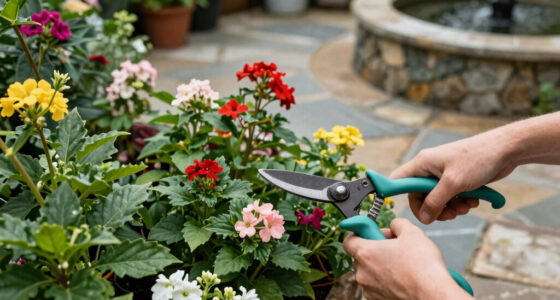
For a tidier winter garden, the report advises waiting until after the first frost before pruning. Cutting plants too early can prompt new growth that uses energy reserves. Stems can be cut close to the base, leaving short stubs, or trimmed to about six inches so the plant is easier to spot in spring. The report says either approach can work.
Gardeners can instead leave plants standing through winter and cut them back in spring. That approach takes less autumn work and retains stems and seed heads that may provide winter interest and value for wildlife, according to the report. If mulch is needed near the colder edge of a cultivar’s range, it recommends a layer no deeper than one inch, such as leaves around the plant. Gaillardia does not tolerate soggy soil well, and heavy mulch may leave the ground oversaturated.
Choosing a Winter Care Approach
The decision is mainly a matter of garden conditions and preference, not a requirement to protect every blanket flower with extensive winter work. Cutting back can make beds look orderly and may be appropriate where plants are crowded or fungal disease has occurred. Leaving stems in place avoids an autumn pruning task and keeps plant material in the garden over winter.
Mulching requires particular restraint. While a thin layer may insulate plants in colder locations, wet soil is a risk for Gaillardia. The advice matters because adding too much cover in an attempt to protect roots could create the damp conditions the plants handle poorly.
Products Worth Considering

iRobot Roomba 105 Vac Robot Vacuum

Philips Hue Festavia Globe Outdoor String Lights, 32 Bulbs, 91 ft

Bose TV Speaker (2nd Gen) Compact Soundbar with Bluetooth and HDMI
As an affiliate, we earn on qualifying purchases.
Hardiness Depends on the Cultivar
Blanket flowers are perennial wildflowers in the Asteraceae family. The report describes them as generally easy-care plants that flower through the season and may reseed. Its winter guidance distinguishes between the broad hardiness range given for most varieties and cultivars that may be less cold-tolerant.
The report also suggests removing plants that have become weak or ragged. Gaillardia is described as short-lived, with plant quality declining over time, while self-seeding may produce replacements. Gardeners who want to save seed can collect it from dried flower heads; the report also notes that cut flowers can last about a week in a vase.
Local Cold and Soil Conditions
The report does not provide cultivar-specific temperature thresholds or a local forecast, so it cannot establish how a particular plant will fare in a given garden. Actual winter survival depends on the cultivar and local conditions, including how cold and wet the planting site becomes. The advice also does not identify a single pruning height as best for every garden; it presents two workable options. Gardeners should check reliable cultivar information and observe drainage and winter weather at their site.
Plan Pruning After Frost
As autumn progresses, gardeners can identify their cultivar and decide whether they prefer a tidy bed or standing winter stems. Those choosing to prune should wait until after the first frost, then remove stems with clean, sharp pruners. Those leaving plants intact can wait until spring for a haircut. Where a plant is near the colder edge of its hardiness range, any leaf mulch should stay light, and the soil should not be left saturated.
Key Questions
Do blanket flowers need to be covered for winter?
Usually not. The report says most varieties are hardy in Zones 3 to 9 and generally do not need special protection. A light mulch may be considered in colder parts of a cultivar’s range.
When should I cut back Gaillardia?
If you choose to prune, wait until after the first frost. The report warns that cutting plants earlier may encourage new growth that uses the plant’s energy reserves.
How far back should blanket flowers be pruned?
The report offers two options: cut most stems close to the base, leaving short stubs, or trim them to about six inches so the clump is easy to find in spring. It does not identify one height as necessary for all gardens.
Can I leave blanket flowers standing over winter?
Yes. Leaving stems in place is a low-work option that provides winter interest and may benefit wildlife. The report recommends cutting plants back in spring if gardeners choose this approach.
How much mulch should I use?
If extra insulation is appropriate, the report recommends no more than one inch of mulch, such as leaves around the plant. Avoid heavy coverage because Gaillardia does not tolerate soggy soil well.
Source: gardenerspath.com