
TL;DR

Get pool and patio gear delivered free with Prime
- Fast, free delivery on millions of items
- Prime Video, Amazon Music and more included
- Member-only deals all year
A Gardening Know How report says October is a key time to prepare amaryllis for winter flowering, with the right steps depending on whether bulbs rested indoors or spent summer outside. It advises timing dormant bulbs six to eight weeks before desired blooms, protecting plants from frost, and managing potting, water, light and feeding as growth begins.
October is a key month for amaryllis care, according to a seasonal guide from Gardening Know How, which says the steps needed now depend on whether a bulb has been resting indoors or growing outside. The timing matters because bulbs usually take six to eight weeks from potting and watering to flower, putting mid-to-late October within range for December blooms, though the guide cautions that individual plants can flower sooner or later.
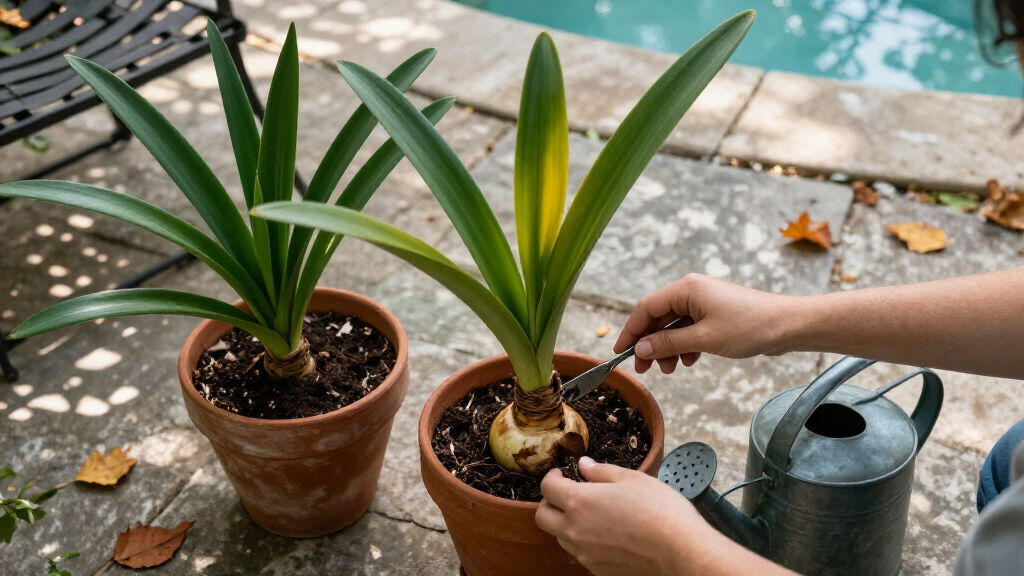
For a dormant bulb kept dry since late summer, the guide recommends checking whether it has had a cool, dry rest of about eight to 10 weeks. A green tip can signal renewed growth, but is not required before potting. The bulb should feel firm; soft or mushy areas and fuzzy mold may indicate rot. If the bulb is sound and its existing potting mix remains in good condition, it can stay in the same pot.
Plants that spent summer outdoors need different treatment. Gardening Know How says amaryllis cannot tolerate frost and can be injured at temperatures below about 35°F (2°C), so potted plants should come indoors when frost is forecast. For in-ground bulbs in warmer areas, the report says they may remain in place under two to three inches of mulch. Outdoor plants are not necessarily ready to flower for the holidays: after foliage dies naturally, a cool, dim rest at about 50 to 55°F for eight to 10 weeks may help prepare them for later flowering. Healthy green foliage does not need to be forced into dormancy.
The other steps cover the growing conditions once a bulb is potted. Repot only if needed: the guide says bulbs can often remain in a snug pot for three or four years, and recommends a container with drainage that is only one to two inches wider than the bulb. Keep at least the top third of the bulb above the soil. Water after planting, let the pot drain, and add more only when the mix starts to dry; once growth reaches two to three inches, water when the top inch of mix is dry. The guide also recommends a bright, warm spot, turning the pot regularly, supporting a top-heavy stalk if needed, and beginning fertilizer once growth starts.
Timing Blooms for the Holidays
The six-to-eight-week flowering window gives October care a practical deadline for people hoping for winter flowers. Starting a dormant bulb in mid-to-late October may align with December, while starting another bulb a week or two later can stagger flowering into January, the Gardening Know How report says. These are estimates rather than guarantees: the source notes that some bulbs bloom faster and others take longer.
Handling outdoor plants separately also matters because simply bringing them inside does not guarantee a holiday display. Their foliage, prior rest period and exposure to cold affect the next steps. Avoiding frost and waterlogged soil helps protect the bulb, while sufficient light and careful watering support growth after it resumes.
As an affiliate, we earn on qualifying purchases.
Two Different Summer Histories
The report distinguishes between store-bought holiday amaryllis and bulbs saved from outdoors. Holiday plants commonly sold as amaryllis are Hippeastrum, tropical bulbs native to Central and South America, according to the article. That origin is relevant to the warning about frost, but the source’s calendar advice is seasonal guidance rather than a guarantee that every bulb will flower on a set date.
Bulbs kept dry in a closet or basement may be close to restarting after their rest period. By contrast, outdoor plants may still have active green leaves or may need a rest before flowering again. The report also advises checking bulbs brought indoors for damage, including possible tunneling by narcissus bulb fly larvae. A bulb that feels soft may be rotting or affected by pests, so its condition should be checked rather than assuming it is ready to grow.
“From the day it’s potted and watered, a bulb usually needs six to eight weeks to flower.”
— Gardening Know How report
As an affiliate, we earn on qualifying purchases.
Bloom Dates Are Not Guaranteed
The report gives typical timing, not a firm flowering date. It says some bulbs bloom faster than six to eight weeks and others lag, so October planting cannot guarantee flowers by Christmas. It also does not specify how a particular bulb will respond to its prior growing conditions, its health or local weather.
The source material provides only part of its discussion of the sixth step, feeding. It says to begin feeding once growth starts and asks why fertilizer should not be given immediately, but the supplied text cuts off before giving the explanation or a specific fertilizer schedule. Those details cannot be confirmed from the material provided.
indoor amaryllis pot with drainage
As an affiliate, we earn on qualifying purchases.
As an affiliate, we earn on qualifying purchases.
Check Bulbs as Growth Resumes
Gardeners can start by identifying each bulb’s history and condition: how long it has rested, whether it is still growing leaves, and whether it feels firm. Bring potted outdoor plants inside before forecast frost, then pot up dormant, healthy bulbs when their rest period is complete. After planting, check the soil before watering and watch for new growth before increasing water or beginning fertilizer.
Over the following weeks, monitor light, temperature and stalk growth, and adjust care if leaves become pale or floppy or a stalk needs support. The guide’s schedule can help estimate when flowers may appear, but the actual timing will become clearer as each plant develops.
As an affiliate, we earn on qualifying purchases.
Key Questions
When should I pot an amaryllis for December flowers?
Mid-to-late October may be a suitable time, based on the report’s estimate that flowering usually takes six to eight weeks after potting and watering. Bloom timing varies by bulb.
Should I bring outdoor amaryllis inside in October?
Bring potted plants indoors when frost is forecast. The report says temperatures below about 35°F (2°C) can injure amaryllis. In-ground bulbs in warmer areas may be able to remain under two to three inches of mulch, according to the guide.
How often should I water a newly potted bulb?
Water thoroughly after planting and let the pot drain. Since a bulb without leaves uses little water, check the mix and wait until it starts to dry before watering again. Once growth reaches two to three inches, water when the top inch of mix feels dry.
Does every amaryllis need to be repotted?
No. The Gardening Know How report says a bulb can often remain in a snug pot for three or four years. Consider repotting if the bulb presses against the pot, roots emerge from drainage holes, or the old mix stays wet for days.
Will an amaryllis that spent summer outdoors bloom at Christmas?
Not necessarily. The report says outdoor plants may need a rest before flowering again, and bulbs with foliage that has died naturally may bloom later, potentially in late winter. The source does not promise holiday flowers for outdoor bulbs.
Source: rss
Halloween Picks
halloween
As an affiliate, we earn on qualifying purchases.