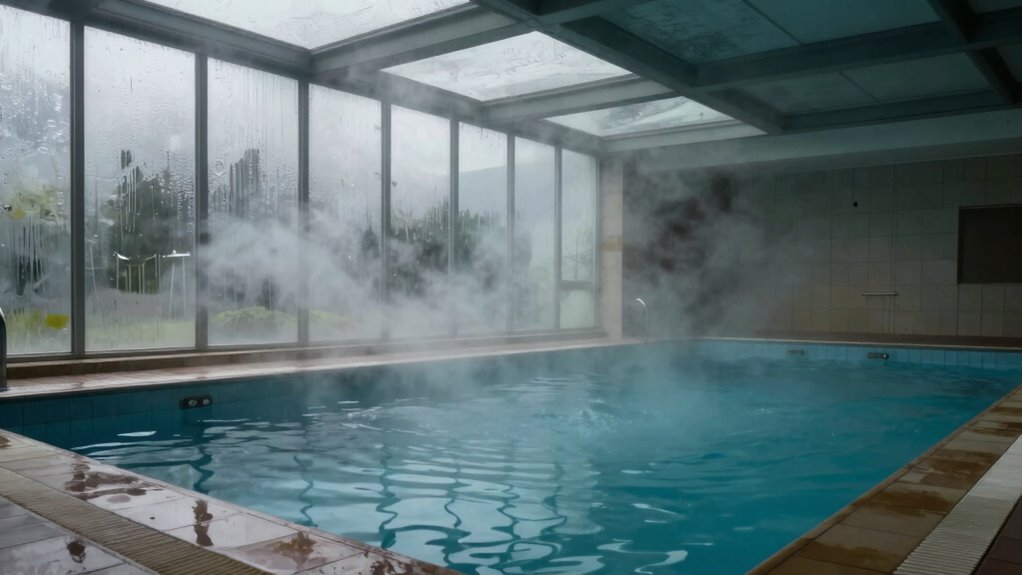

Poor ventilation in indoor pools can seriously impact your health by letting harmful chemicals like chloramines and VOCs build up. This can cause eye, skin, and respiratory irritation, and may increase your risk of asthma and other breathing problems over time. Excess moisture promotes mold growth, which damages your space and worsens allergies. If you want to understand how poor airflow affects your health and property, keep exploring these vital risks.

Get pool and patio gear delivered free with Prime
- Fast, free delivery on millions of items
- Prime Video, Amazon Music and more included
- Member-only deals all year
Key Takeaways
- Poor ventilation causes buildup of harmful chemicals like chloramines and VOCs, leading to respiratory irritation and increased asthma risk.
- Excess moisture promotes mold growth, which damages structures and releases allergens that worsen respiratory issues.
- Stagnant air allows airborne contaminants to accumulate, increasing exposure to toxins and health problems.
- Insufficient airflow traps odors, chemicals, and humidity, reducing indoor air quality and comfort.
- Long-term exposure to poor ventilation can cause chronic health issues and structural property damage.
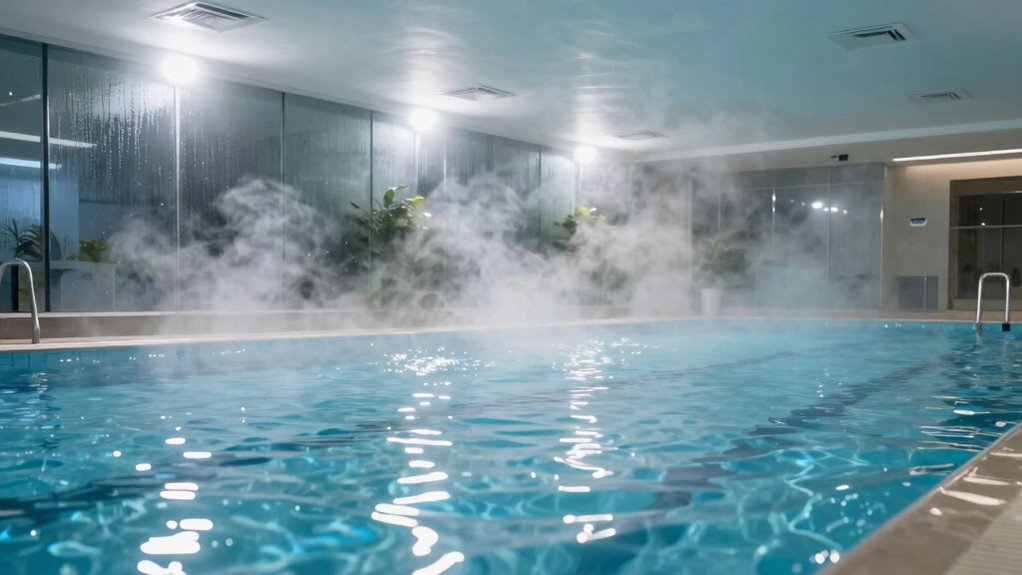
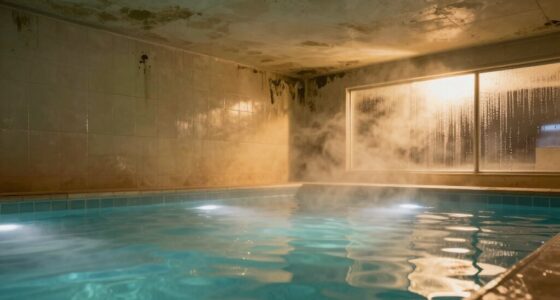
Have you ever considered the hidden risks associated with indoor pools? One of the most overlooked dangers stems from poor ventilation, which can lead to a buildup of harmful chemicals and mold growth. When ventilation isn’t adequate, the humid, chlorinated air doesn’t escape efficiently, causing chemical residues from pool maintenance to accumulate in the space. These chemicals, including chloramines and volatile organic compounds, can irritate your eyes, skin, and respiratory system. Over time, breathing in these substances might even increase your risk of developing asthma or other respiratory issues. The problem worsens when moisture gets trapped, creating an environment where mold spores thrive. Mold growth isn’t just a cosmetic concern; it can produce allergens and toxins that threaten your health, especially if you have allergies or asthma. Proper ventilation systems are essential to prevent such hazards and maintain a safe indoor environment. Additionally, inadequate airflow can lead to the accumulation of airborne contaminants**, further exacerbating health risks. When airflow is insufficient, it impedes the removal of humidity, which is crucial for controlling mold growth and chemical buildup. Without sufficient ventilation, the concentration of airborne pollutants can reach dangerous levels more quickly. Poor ventilation also means that airborne contaminants stay suspended longer, increasing your exposure. When chemicals build up, they don’t just linger in the air—they settle on surfaces, clothing, and even your skin. This continuous exposure can lead to headaches, fatigue, and respiratory discomfort. The more stagnant the air, the higher the concentration of these potentially dangerous substances. If you’re frequently in or around indoor pools with subpar ventilation, you might notice an increase in respiratory infections or irritation, which can easily be traced back to the compromised air quality. Proper air exchange helps remove these pollutants efficiently and is vital for a healthier indoor environment. Mold growth is another critical issue that arises from inadequate airflow and excess moisture. When warm, moist air isn’t properly ventilated, it condenses on cooler surfaces such as walls, ceilings, and HVAC components. This creates ideal conditions for mold spores to settle and multiply. Once mold takes hold, it releases spores into the air, further aggravating respiratory problems and potentially causing allergic reactions. The presence of mold also damages the structural integrity of the building over time, leading to costly repairs. For anyone using an indoor pool regularly, this risk underscores the importance of maintaining a well-ventilated environment to prevent mold from taking hold and spreading. Proper ventilation not only helps control odors but also reduces the risk of mold proliferation**, safeguarding both health and property over the long term.
As an affiliate, we earn on qualifying purchases.
Frequently Asked Questions
How Often Should Indoor Pool Ventilation Systems Be Inspected?
You should inspect your indoor pool ventilation system at least quarterly to guarantee proper operation. Regular checks help prevent the buildup of chemical fumes and maintain good air quality. Pay close attention to how well the system circulates air and handles humidity, especially around pool water, which can produce harmful fumes if not ventilated correctly. Consistent inspections help keep the environment safe and comfortable for swimmers and staff alike.
Can Poor Ventilation Cause Long-Term Respiratory Issues?
Poor ventilation can absolutely cause long-term respiratory issues. When you breathe in airborne allergens and respiratory irritants from inadequate airflow, your lungs struggle to keep up. Over time, this exposure can lead to chronic conditions like asthma or bronchitis. You might not notice the damage at first, but persistent inhalation of these irritants can seriously harm your respiratory health, making every breath a battle.
What Maintenance Reduces Indoor Pool Air Contaminants Effectively?
To effectively reduce indoor pool air contaminants, focus on regular maintenance of air filtration systems and chemical management. You should regularly clean and replace filters to guarantee proper air circulation, and monitor chemical levels like chlorine and pH to prevent harmful fumes. Proper ventilation systems combined with diligent air filtration and chemical management help minimize airborne pollutants, creating a safer environment for swimmers and staff alike.
Are There Specific Ventilation Standards for Indoor Pools?
Yes, there are strict standards for indoor pool ventilation. You should guarantee proper pool chemical management and effective air circulation to meet these guidelines. Ventilation systems must control humidity, remove chloramine-laden air, and maintain fresh airflow. By adhering to these standards, you create a clean, comfortable, and safe environment. Properly balancing pool chemicals and optimizing air circulation helps prevent health hazards and promotes a healthier indoor pool experience.
How Does Humidity Control Impact Indoor Pool Air Quality?
Humidity control plays a vital role in maintaining good air quality in indoor pools. When you manage humidity levels effectively, you prevent excess moisture, which reduces mold, mildew, and musty odors. This creates a healthier environment for swimmers and staff. Proper humidity control also minimizes condensation and corrosion, ensuring the ventilation system works efficiently. Overall, managing humidity directly improves air quality, making the indoor pool safer and more comfortable for everyone.
Air purifiers for mold and chemicals
As an affiliate, we earn on qualifying purchases.
As an affiliate, we earn on qualifying purchases.
Conclusion
Poor ventilation in indoor pools isn’t just about stuffy air; it can considerably impact your health. Did you know that indoor pools can release chlorine byproducts that, when poorly ventilated, increase respiratory issues? Up to 30% of indoor air pollution may come from pool chemicals alone. Ensuring proper ventilation isn’t just about comfort—it’s about protecting your lungs and overall well-being. Make sure your pool’s ventilation system is up to date for a safer, healthier swimming experience.
Bathroom exhaust fans for indoor pools
As an affiliate, we earn on qualifying purchases.
As an affiliate, we earn on qualifying purchases.
As an affiliate, we earn on qualifying purchases.
Halloween Picks
halloween
As an affiliate, we earn on qualifying purchases.