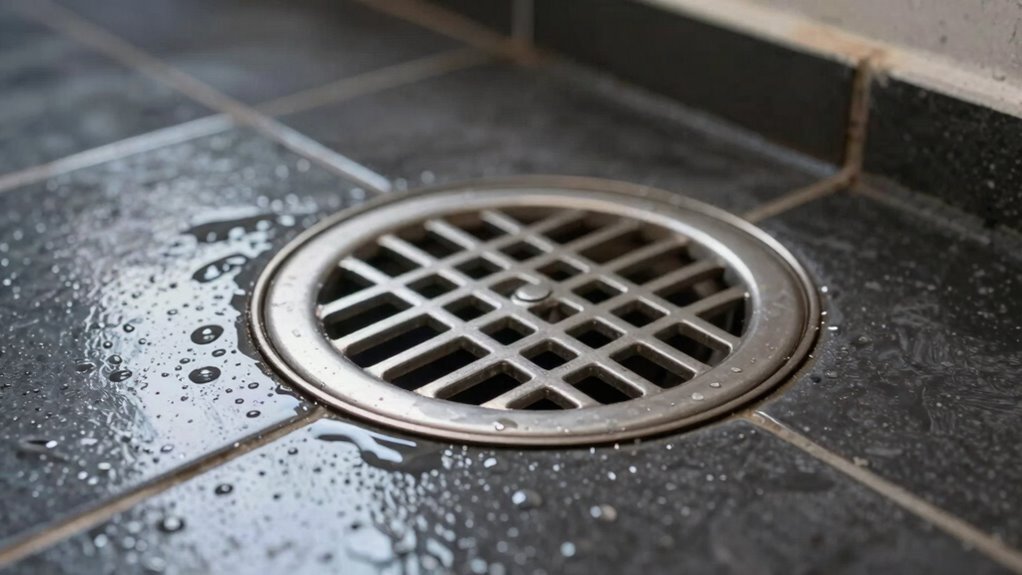

Your pool’s main drain helps circulate water, pull debris for filtration, and keep your pool clear. However, it has safety risks because strong suction can trap hair or body parts, especially for children. Regulated drain covers and safety standards aim to prevent accidents, but concerns remain. While the main drain is essential for efficient pool maintenance, safer alternatives like skimmers exist. Keep exploring to understand how to balance safety with effective circulation.

Get pool and patio gear delivered free — and shop member deals
- Fast, free delivery on millions of items
- Access to Prime Big Deal Days deals on October 6–7
- Prime Video, Amazon Music and more included
Key Takeaways
- The main drain circulates water, aiding filtration, debris removal, and overall pool cleanliness.
- Safety concerns include entrapment risks from powerful suction, especially for children and inexperienced swimmers.
- Strict safety standards and regulations aim to reduce entrapment hazards through approved drain covers.
- Disabling the main drain can impair water circulation and compromise pool maintenance.
- Modern alternatives like skimmers and additional jets can improve circulation while enhancing safety.
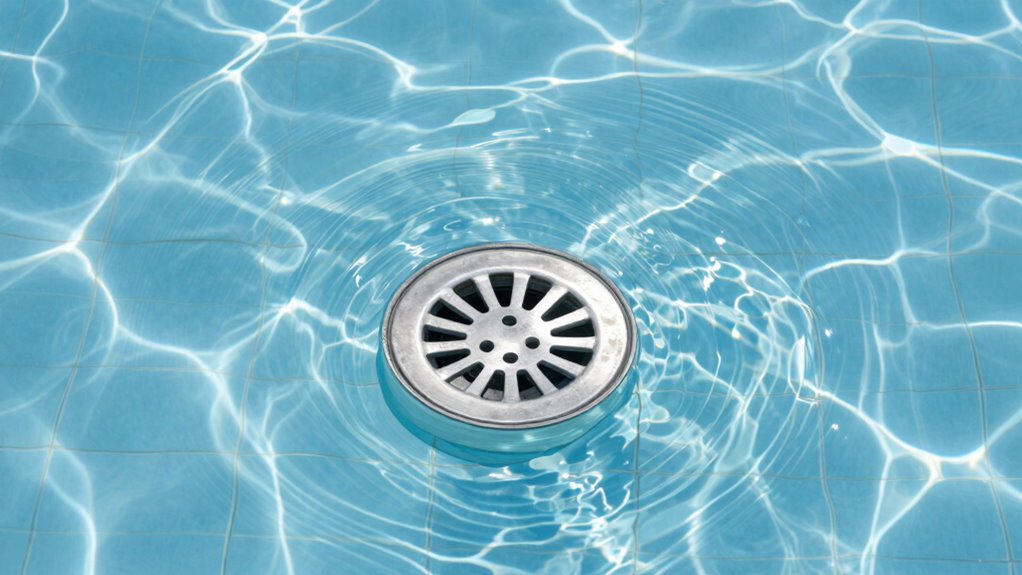
Have you ever wondered whether the main drain in your swimming pool is truly safe and effective? This question is at the heart of the ongoing main drain debate, especially when it comes to pool maintenance and drain safety. The main drain serves an essential role in circulating water, helping to keep your pool clean and clear. It pulls water from the bottom of the pool, directing it through the filtration system. But despite its importance, concerns about drain safety have gained traction, especially after incidents where swimmers became trapped or injured due to faulty drain covers or improper design. These incidents have prompted many to question whether the main drain should be redesigned or even eliminated altogether.
Is the main pool drain safe and effective or a hidden risk? The debate continues.
The main drain’s primary function is to improve circulation, reduce debris buildup, and assist in maintaining water clarity. Proper pool maintenance relies heavily on that efficient flow of water, and a well-designed, safe drain system can make a considerable difference. However, the potential safety risks associated with the main drain often overshadow its benefits. The issue stems from the powerful suction created by the drain, which, in certain situations, can trap a swimmer’s body parts or hair. This risk is especially concerning for children or inexperienced swimmers who might accidentally get caught in the drain’s suction, leading to injuries or even drowning. These safety concerns have led industry regulators to enforce strict standards for drain covers, aiming to prevent entrapment and improve overall drain safety. Implementing safety standards can significantly reduce the risks associated with pool drains.
Despite the safety concerns, the main drain doesn’t just serve as a hazard; it’s also an indispensable component of pool operation. Removing or disabling it without proper alternatives can lead to uneven water circulation, poor filtration, and increased algae or debris buildup. Understanding the functionality of pool drains can help owners appreciate their role in maintaining water quality. For many pool owners, it’s a balancing act — maintaining effective pool maintenance routines while ensuring drain safety. Modern drain covers, designed to comply with safety standards, considerably reduce entrapment risks, but the debate continues. Some experts argue that alternative circulation systems, like skimmers or additional return jets, can replace the main drain entirely, reducing safety hazards without sacrificing water quality. Additionally, understanding the pool circulation system can help owners make safer and more informed choices. Incorporating advanced circulation methods can also enhance overall pool safety and efficiency.
In the end, understanding what the main drain does and doesn’t do helps you make informed decisions about your pool. While it’s a key part of pool maintenance, safety should always come first. By choosing compliant drain covers and adhering to safety guidelines, you can enjoy a clean pool without risking your or others’ safety. The debate isn’t just about removing the drain but ensuring it’s safe and effective, striking a balance between functionality and protection.
As an affiliate, we earn on qualifying purchases.
Frequently Asked Questions
How Often Should I Inspect My Main Drain?
You should inspect your main drain at least once a year for effective drain maintenance. Use plumbing tools like a drain snake or camera to check for blockages, cracks, or buildup. Regular inspections help prevent major backups or costly repairs. If you notice slow drainage or foul odors, conduct an inspection sooner. Staying proactive with your main drain can save you time and money, keeping your plumbing system running smoothly.
Can a Main Drain Clog Be Prevented?
Yes, you can prevent a main drain clog by practicing regular drain maintenance and installing backflow prevention devices. Keep debris, grease, and hair out of your drains, and schedule routine inspections to catch potential problems early. Backflow prevention helps stop contaminated water from flowing back into your home, reducing clog risks. Consistent maintenance and preventative measures are key to avoiding costly repairs and ensuring your drainage system functions smoothly.
What Signs Indicate a Main Drain Issue?
You might notice a lingering drain odor, which hints at a hidden issue, or see signs of pipe corrosion that suggest your main drain needs attention. Slow draining water, gurgling sounds, or frequent backups also signal trouble ahead. These signs indicate your drain system is struggling, and ignoring them could lead to bigger problems. Addressing these early helps prevent costly repairs and keeps your home running smoothly.
Is Professional Help Always Necessary for Main Drain Problems?
You don’t always need professional help for main drain problems, especially if you’re comfortable with DIY solutions. Simple issues like minor clogs can often be fixed with plungers or drain snakes, saving you money. However, if problems persist or worsen, consider professional assistance, as it might be more cost-effective in the long run. Weigh your DIY options against potential costs to decide what’s best for your situation.
How Long Does a Main Drain Repair Typically Take?
Main drain repairs usually take between one to three days, depending on the issue’s severity and accessibility. You should consider the main drain’s longevity when planning repairs, as older pipes might need more extensive work. Repair cost estimates can vary widely, so getting multiple quotes helps. Promptly addressing problems guarantees your drain’s longevity and prevents costly future repairs, making quick action essential.
As an affiliate, we earn on qualifying purchases.
Conclusion
Understanding what your main drain does—and doesn’t do—helps you avoid common misconceptions and keeps your pool running smoothly. It’s the backbone of proper circulation, but it’s not a magic fix for every issue. When you know the facts, you can tackle problems head-on instead of throwing in the towel. Remember, knowledge is power, and with it, you’ll be able to handle your pool’s needs without beating around the bush. Stay informed and keep things flowing!
pool drain entrapment prevention device
As an affiliate, we earn on qualifying purchases.
As an affiliate, we earn on qualifying purchases.
As an affiliate, we earn on qualifying purchases.
Fall Picks
fall essentials
As an affiliate, we earn on qualifying purchases.