
To make certain your pool or spa is properly protected, review your insurance policy for liability coverage limits and safety requirements. Installing safety features like fences, alarms, and covers can lower premiums and reduce risks. Keep safety equipment well-maintained and confirm your policy covers accidents related to your setup. Remember, coverage varies depending on your pool type, size, and location. To learn more about securing your pool or spa and maximizing your protections, keep exploring the details.
Key Takeaways
- Verify that your liability coverage limits are sufficient for pool or spa-related incidents.
- Install safety features like fences, alarms, and covers to reduce risks and potentially lower insurance premiums.
- Safety measures can influence coverage requirements and premium discounts; neglect may increase liability exposure.
- Insurance providers consider pool size, type, location, and safety compliance when assessing coverage options.
- Regularly review and maintain safety equipment to ensure proper coverage and compliance with local regulations.
Having a pool or spa adds luxury and relaxation to your home, but it also comes with potential risks that your insurance policy should cover. One of the most important aspects to consider is liability coverage. If someone gets injured while using your pool or spa, you could be held financially responsible for their medical expenses or legal claims. Adequate liability coverage ensures you’re protected from these unexpected costs, giving you peace of mind as you enjoy your backyard oasis. It’s essential to review your policy to confirm that your liability limits are sufficient for your specific setup, especially if you have a larger pool or if your property is easily accessible to visitors or neighbors.
Liability coverage for pools and spas protects you from unexpected injury costs and legal claims.
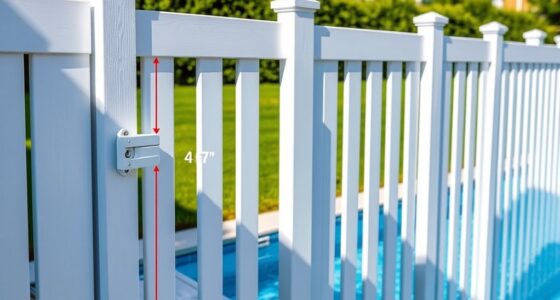
Another key factor is safety features. Installing safety measures such as pool fences, self-closing gates, alarms, and covers can greatly reduce the risk of accidents and injuries. Not only do these features help keep children and pets safe, but they also demonstrate responsible ownership, which can positively influence your insurance premiums. Many insurance providers offer discounts for homes equipped with safety features, so taking these steps can save you money while enhancing safety.
Your insurance provider will want to know about the type of pool or spa you have, including its size, location, and safety measures. Keeping your safety features up to date and properly maintained is essential, as neglecting safety equipment could jeopardize your coverage or increase your premiums. For example, if your pool lacks a proper fence or alarm, you might face higher liability exposure, and your insurer might require you to enhance security measures before providing coverage. Additionally, insurance coverage for pools and spas can vary depending on the specifics of your policy and the safety features you implement.

VEVOR Pool Fence Gate, 4 x 2.5 ft Inground Swimming Pool Fences Gate, Outdoor Security Fencing Door Kit with Metal Latch and Stopper, 352 GSM Teslin PVC Mesh, Square Tube, Easy Installation, Black
Safer Locking Solution for Pools: Our pool fence gate (size: 4 x 2.5 ft / 1.2 x 0.75…
As an affiliate, we earn on qualifying purchases.
As an affiliate, we earn on qualifying purchases.
Frequently Asked Questions
Do All Policies Cover Pool-Related Damages Automatically?
Not all policies automatically cover pool-related damages. You need to review your policy details to see if pool maintenance and fencing requirements are included. Some insurers may exclude damages caused by neglect or improper upkeep. Verify your pool has proper fencing to meet safety standards, as this can influence coverage. Always check with your provider to confirm what’s covered, so you’re not caught off guard when a claim arises.
Are There Specific Safety Features Required for Coverage?
Yes, your insurance may require specific safety features for coverage, like pool fencing and safety alarms. These measures help prevent accidents and reduce liability. You should verify your pool is fenced with a locked gate and install safety alarms on doors leading to the pool area. Meeting these safety requirements not only helps protect swimmers but also keeps your policy valid and minimizes potential claim issues.
How Does Adding a Spa Affect My Current Policy?
You might think adding a spa won’t impact your policy, but in reality, it can increase your premiums due to higher liability risks. Insurers often see spas as requiring stricter safety regulations and more pool maintenance. To guarantee proper coverage, review your policy and notify your insurer of the addition. This way, you stay compliant with safety regulations and avoid surprises in case of accidents or claims.
What Exclusions Typically Apply to Pool Coverage?
You’ll find that exclusions often include damages from pool maintenance issues, like leaks or cracks, and coverage may exclude injuries related to pool accessories such as slides or diving boards. Insurance usually doesn’t cover damage caused by neglect or improper upkeep. To guarantee full protection, keep your pool well-maintained and review your policy for specific exclusions related to pool accessories and maintenance.
Is Liability Coverage Included for Pool-Related Accidents?
Did you know that over 300 drownings occur annually in residential pools? Your liability coverage typically includes pool-related accidents, but it varies by policy. It’s vital to review your liability limits, as they determine how much your insurer pays if someone gets hurt. Pool safety is imperative; verify proper fencing and supervision to prevent accidents and avoid potential claim denials, keeping you protected and responsible.

Pool Alarm, Floating Pool Safety Alarms for Inground & Above Ground Pools – Loud 110dB Alert, Adjustable Sensitivity, Protection for Kids & Pets (Blue)
Essential Pool Safety Protection for Kids & Pets: Keep your family safe with this floating pool alarm, designed…
As an affiliate, we earn on qualifying purchases.
As an affiliate, we earn on qualifying purchases.
Conclusion
Understanding your insurance coverage for pools and spas is essential to protect your investment and ensure peace of mind. Did you know that accidents involving pools account for over 75% of all pool-related injuries? By reviewing your policy and adding necessary coverage, you can reduce financial risks and enjoy your backyard oasis safely. Stay informed, ask questions, and make certain you’re fully protected—because a little planning now can save you from costly surprises later.
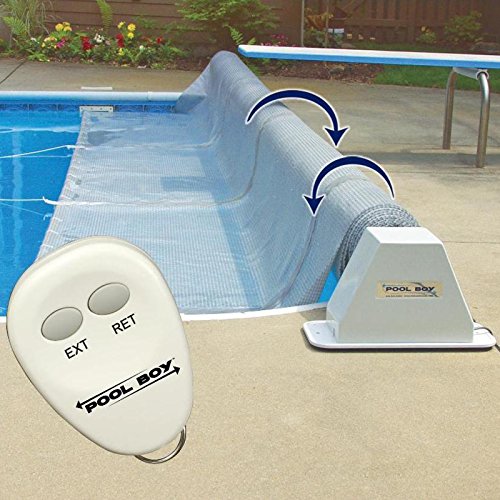
Pool Boy 1 Powered Pool Solar Blanket Reel – Extends and Retracts on The Click of a Button – Works on Inground Pools Up to 20 Feet Wide and 40 Feet Long – Made in The USA – 3 Year Prorated Warranty
Pool Boy I has an adjustable hub from 4"-9" and includes stand covers Pool Boy II has a…
As an affiliate, we earn on qualifying purchases.
As an affiliate, we earn on qualifying purchases.
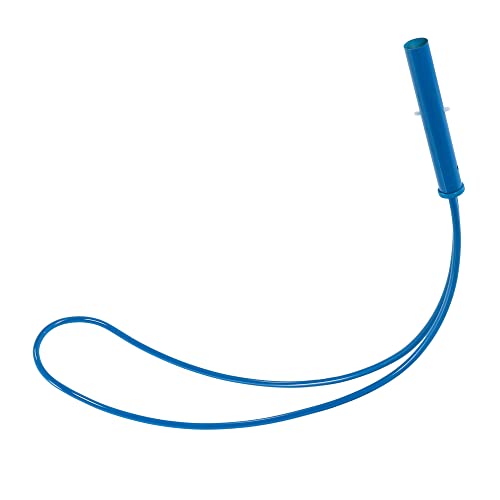
U.S. Pool Supply Swimming Pool Safety Hook – Emergency Life-Saving Rescue Equipment, Help Struggling, Drowning Swimmers, Teaching Preserver – Strong Aluminum Alloy, Attaches to 1-1/4" Telescopic Poles
A durable, sturdy swimming pool safety hook is made with high-quality strong aluminum alloy for extra strength. A…
As an affiliate, we earn on qualifying purchases.
As an affiliate, we earn on qualifying purchases.