
Understanding product liability for pool equipment is vital to keeping your pool safe and avoiding costly lawsuits. You’re responsible for ensuring that equipment is free from design flaws, manufacturing errors, and clear warnings about potential risks. Regular inspections, proper maintenance, and choosing certified products help reduce your liability. Staying informed about safety standards and keeping detailed records protect you if claims arise. If you want to learn how to better manage these responsibilities, explore more below.
Key Takeaways
- Product liability laws hold manufacturers, suppliers, and owners accountable for defective or unsafe pool equipment.
- Common defects include design flaws, manufacturing errors, and inadequate warnings that can cause injuries.
- Regular inspections, prompt repairs, and proper maintenance help prevent equipment failures and reduce liability.
- Using certified products that meet safety standards supports legal defense and enhances pool safety.
- Maintaining detailed records of inspections and staying informed on safety trends improve risk management and compliance.
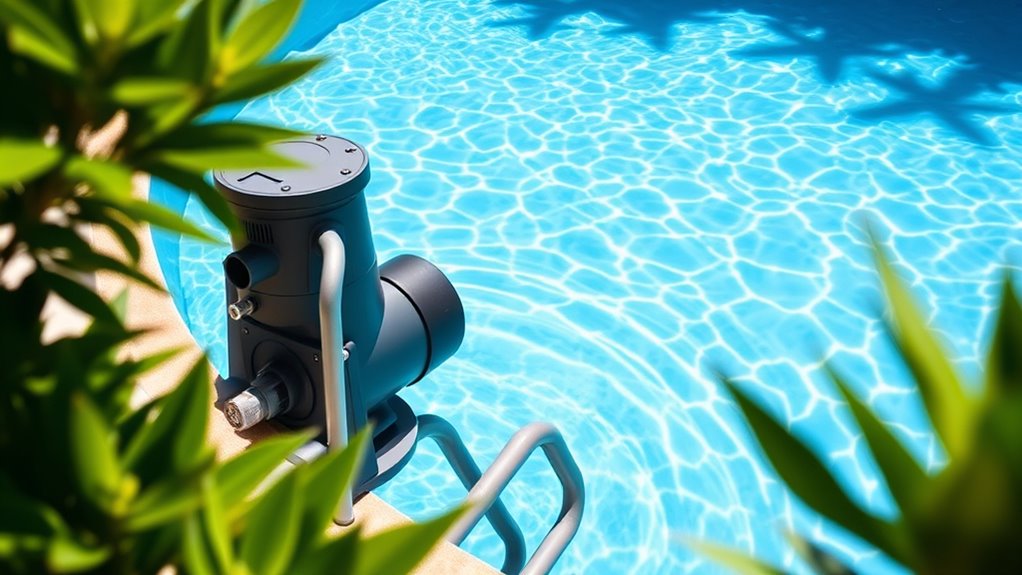
When pool equipment malfunctions or fails to meet safety standards, it can pose serious risks to users. As someone responsible for pool safety, you need to understand how product liability plays a pivotal role in these situations. If a defect makes equipment unsafe, it not only jeopardizes the well-being of swimmers but also opens the door for liability claims against manufacturers, suppliers, or even pool owners. Recognizing the significance of proper maintenance and quality assurance can help prevent accidents and protect everyone involved.
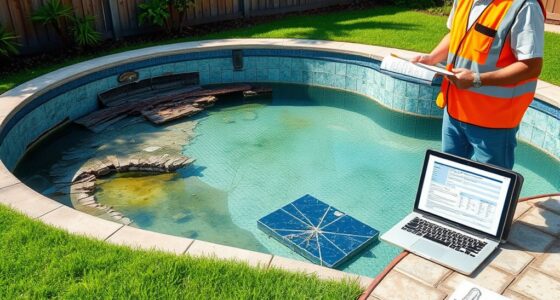
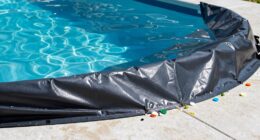
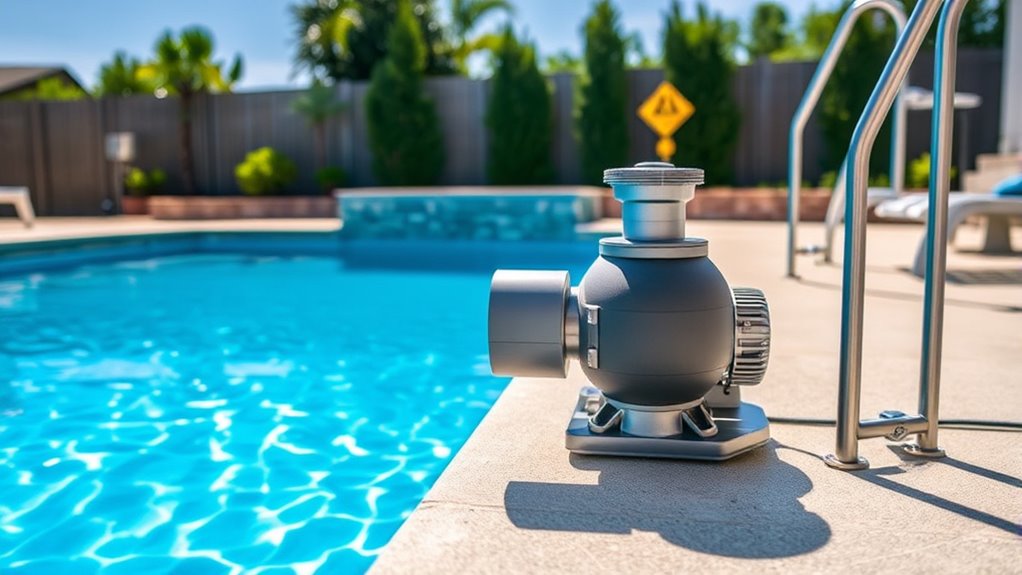
Product liability laws are designed to hold the parties responsible for defective or unsafe pool equipment accountable. When a piece of equipment, such as a faulty pump, broken safety cover, or malfunctioning chlorinator, causes injury, the injured party may file a claim against the manufacturer or distributor. These liability claims typically rest on allegations of design defects, manufacturing errors, or inadequate warnings about potential risks. As someone overseeing pool safety, staying informed about these legal aspects can help you take proactive steps to minimize hazards and guarantee compliance with safety standards.
You play an essential role in maintaining pool safety by regularly inspecting equipment for signs of wear, corrosion, or damage. Prompt maintenance and timely repairs not only extend the lifespan of your equipment but also reduce the chances of failure that could lead to injury. When equipment is identified as defective, removing it from service immediately and replacing it with approved, safe alternatives is necessary. Doing so demonstrates a commitment to safety and can also serve as a defense if liability claims arise from an incident.
Regular inspections and prompt repairs are key to preventing accidents and ensuring pool safety.
Understanding the importance of quality standards and certifications can help you select safer products from reputable manufacturers. Many jurisdictions require pool equipment to meet specific safety standards and carry certifications from recognized organizations. Using equipment that complies with these standards decreases the likelihood of accidents and legal exposure. Furthermore, keeping detailed records of inspections, maintenance, and purchases can be invaluable if you ever need to defend against liability claims. Additionally, staying informed about trends in product safety can help you anticipate potential hazards before they result in accidents.
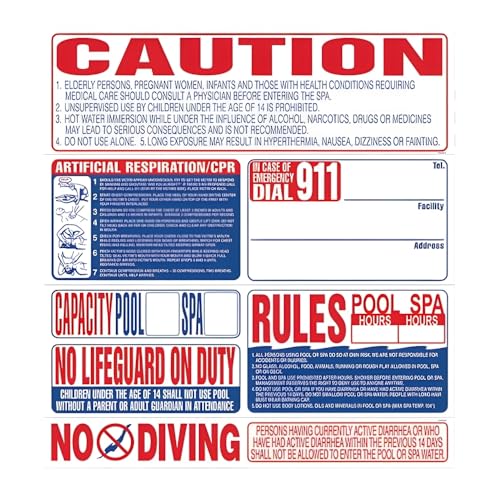
8-in-1 California Pool Safety Sign | SI9000CA | Large 47" Commercial Pool & Spa Safety Compliance Sign | UV-Protected Outdoor Construction | Meets CA Code Requirements
8 Safety Messages in One Panel: Includes all required California commercial pool & spa safety notices, simplifying compliance…
As an affiliate, we earn on qualifying purchases.
As an affiliate, we earn on qualifying purchases.
Frequently Asked Questions
How Do I File a Product Liability Claim for My Pool Equipment?
To file a product liability claim for your pool equipment, start by gathering proof of purchase and documenting the defect. Check your pool equipment warranty to see what’s covered. Contact the manufacturer directly to report the issue, emphasizing manufacturer liability for safety concerns. If they don’t resolve it, consider consulting a lawyer who specializes in product liability to explore your legal options and safeguard your rights.
What Damages Can I Recover in a Pool Equipment Liability Case?
You can recover damages like medical expenses, property repairs, and lost wages in a pool equipment liability case. Investigate the truth of your injury’s cause to strengthen your claim. Damages overview includes both economic and non-economic losses, providing extensive compensation options. By proving the manufacturer’s negligence or defect, you can secure fair compensation for your injuries, property damage, and emotional distress. Take action to ensure you’re fully compensated for your losses.
How Long Do I Have to Report a Defect in Pool Equipment?
You should report a defect in pool equipment promptly to meet legal deadlines and guarantee your claim stays valid. Timely reporting is essential because many jurisdictions have strict statutes of limitations, often ranging from a few months to several years. Failing to report the defect within this period could bar you from recovery. Act quickly by notifying the manufacturer or relevant authorities to protect your rights and guarantee your complaint is considered.
Are There Any Safety Standards Specific to Pool Equipment Manufacturing?
A stitch in time saves nine. When it comes to pool equipment manufacturing, safety standards are in place to protect you. Yes, there are specific equipment standards focused on pool safety, covering electrical safety, structural integrity, and non-toxic materials. These standards make certain your pool remains safe for everyone. Always check that your equipment complies with local regulations to prevent accidents and maintain a safe swimming environment.
Can I Pursue a Product Liability Claim if I Installed the Equipment Myself?
Yes, you can pursue a product liability claim if you installed the pool equipment yourself, but DIY installation may complicate liability implications. Courts often consider whether the manufacturer’s defect caused the injury or if improper installation contributed. If faulty equipment is involved, you might still have a claim, but demonstrating the defect’s role versus your installation efforts is key. Keep detailed records of the installation and any issues to strengthen your case.
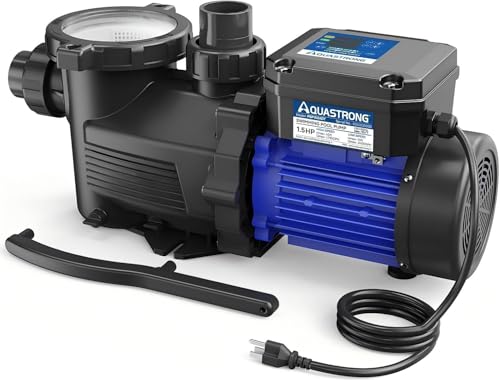
AQUASTRONG In/Above Ground Pool Pump, High Flow (Dual Speed with Timer, 1.5HP, 115V, 4975 GPH)
Powerful Dual-Speed Pool Pump with Timer for Smart & Efficient Circulation: This 1.5HP pool pump delivers a high-speed…
As an affiliate, we earn on qualifying purchases.
As an affiliate, we earn on qualifying purchases.
Conclusion
Remember, when it comes to pool equipment, staying informed and vigilant can prevent accidents before they happen. By understanding product liability, you’re taking control of your safety and that of your loved ones. Don’t forget, a chain is only as strong as its weakest link—so inspect and maintain your equipment regularly. When you prioritize safety, you’re building a sturdy foundation, ensuring your pool remains a place of relaxation rather than regret.

Pool Safety Cover Patch Kit Repair Kit Blue Swimming Pool Patch Repair Mesh Self Adhesive Mesh Inground Saver Pond Cover(6 Pcs,4 x 8 Inch)
Package Content: you will receive 6 pieces of pool cover patch kit, and they measure approximately 4 x…
As an affiliate, we earn on qualifying purchases.
As an affiliate, we earn on qualifying purchases.

SeaSlep Off-Line Automatic Pool Chlorinator with Adjustable Output, Automatic Chlorine Feeder with 9.0 Lbs Capacity,Easy to Install Off Line Chlorinator for Inground Pool,Compatible with Hayward(Blue)
Automatic Chlorine Feeder Chlorinator :The automatic pool chlorinator constantly works to dissolve and distribute chlorine into your pool,…
As an affiliate, we earn on qualifying purchases.
As an affiliate, we earn on qualifying purchases.