
TL;DR

Get pool and patio gear delivered free with Prime
- Fast, free delivery on millions of items
- Prime Video, Amazon Music and more included
- Member-only deals all year
Inflatable pool loungers are buoyant, versatile products designed for relaxing in pools and water. Choosing the right one involves considering comfort, durability, safety, and features. Proper use and maintenance extend their lifespan and enjoyment.
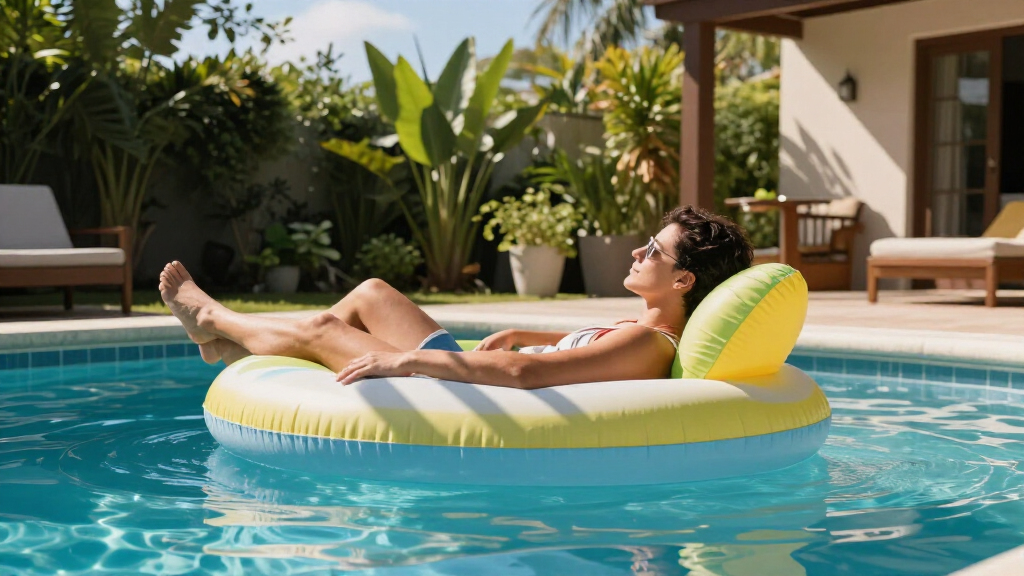
Imagine sinking into a cloud of vinyl, feeling the gentle sway as your pool water laps around you. Inflatable pool loungers aren’t just floats—they’re portable, plush thrones that turn a simple swim into a day at the spa. But with so many designs and features, how do you pick the perfect one? And more importantly, how do you keep it safe and lasting through endless summer days?
This guide will walk you through everything you need to know about inflatable pool loungers. From types and materials to safety tips and market trends, you’ll learn how to choose the best float for your style and space, and how to care for it like a pro. Whether you’re lounging solo or floating with friends, you’ll find the essentials for making your pool time as relaxing and fun as it should be.
Choose a float with reinforced seams and thicker PVC for longer lifespan.
Prioritize wide, low-profile designs for maximum stability and safety.
Match the size and weight capacity to your body size to prevent deformation or tipping.
Use a low-pressure pump and follow inflation guidelines to avoid damage.
Regularly rinse, dry, and store floats properly to extend their life and appearance.
What Makes a Pool Lounger Comfortable and Why It Matters
Inflatable pool loungers aren’t just about floating—they’re about creating a mini oasis right in your pool. Comfort features like contoured shapes, mesh inserts, and plush pillows turn a basic float into a throne of relaxation. Imagine sinking into a soft, supportive surface, with your head propped up by a cushion, a drink within reach in a built-in cup holder. That’s the magic of thoughtful design.
For example, a recliner-style float with a headrest and footrest can turn a 20-minute float into a mini massage session. But comfort isn’t just about plushness; it’s also about stability. A wide, low-profile design prevents tipping, even when someone shifts or climbs aboard. Think of it like a sturdy boat—stable, balanced, and ready for your best lounging.
Choosing comfort matters because it dictates how long you’ll want to stay out there. A float that cradles your body, offers cooling mesh panels, and provides ergonomic support makes poolside lounging feel luxurious, not just tolerable.
inflatable pool lounger with cup holder
As an affiliate, we earn on qualifying purchases.
As an affiliate, we earn on qualifying purchases.
Materials and Durability: What Your Float Is Really Made Of
Most inflatable pool loungers are made from durable PVC or vinyl, which flexes and stretches with your movements. But not all plastics are created equal. Thicker, reinforced vinyl with double seams can withstand more weight and resist punctures—perfect if you have curious kids or sharp poolside objects nearby.
Premium models may add fabric covers or use TPU-based materials, which are lighter and more flexible but still tough. Think of it like choosing a high-quality backpack: heavier-duty fabrics last longer and handle wear better.
For instance, a well-made float with reinforced seams and thicker PVC can last 3-4 seasons with good care. On the flip side, cheaper, thinner vinyl might start cracking or leaking after just one summer. Check the material thickness—aim for at least 0.3mm PVC—and look for seam quality to ensure your float stays afloat longer.
recliner style pool float with headrest
As an affiliate, we earn on qualifying purchases.
As an affiliate, we earn on qualifying purchases.
Size and Weight Capacity: How to Pick a Float That Fits You Perfectly
Ever tried fitting onto a float that’s just too small? Inflatable loungers come in all sizes, and choosing the right one means matching it to your weight, height, and comfort preferences. A float labeled for 200 pounds might be perfect for most adults but could feel cramped or unstable for larger individuals.
For example, a family of four with kids and adults should look for a float rated for at least 300 pounds, with enough space for everyone to stretch out. Overloading a float stresses seams and can cause deformation or tipping—imagine a boat listing because it’s overloaded.
Check both the manufacturer’s maximum weight limit and the actual dimensions when inflated. Remember, a longer, wider float offers more stability and comfort. Better yet, test it in the pool before a big gathering—nothing beats real-world testing.
durable vinyl inflatable pool float
As an affiliate, we earn on qualifying purchases.
As an affiliate, we earn on qualifying purchases.
Inflation Tips and Portability: Getting It Ready and Storing It Right
Inflating a pool lounger can be quick or a chore, depending on the size and your tools. Small floats often inflate with a simple hand pump, but larger, full-length recliners benefit from electric or rechargeable pumps. These save time and effort—imagine inflating a 6-foot-long float in less than two minutes.
But beware—overinflation can stretch seams or cause bursting. Always follow the manufacturer’s recommended PSI, and leave a little room for air expansion during hot days. When packing up, deflate slowly, making sure no sharp objects or rough surfaces damage it during storage.
Proper storage extends your float’s life. Wash it thoroughly, dry it completely, then fold loosely in a cool, dry place away from sunlight and heat. Think of it as tucking your float into a peaceful nap—ready for next summer’s fun.
inflatable pool float with mesh panels
As an affiliate, we earn on qualifying purchases.
As an affiliate, we earn on qualifying purchases.
Stability and Safety: How to Pick a Float That Won’t Tip Over
Safety starts with stability. Wide, low-profile floats with a broad base are less likely to tip when you shift or climb on. A float with a low center of gravity and a stable shape can handle sudden movements without flipping over—think of it like a well-balanced seesaw.
For example, a large donut-shaped float with a flat bottom offers more stability than a narrow tube. Keep in mind, even the sturdiest float isn’t a life-saving device. Never leave children unsupervised, and avoid rough play or jumping onto floats.
Position your float away from pool edges, and avoid overcrowding. If you notice it tilting or wobbling, adjust the load or switch to a more stable design. It’s about creating a floating throne that stays put while you relax.
Safety Tips You Must Follow to Enjoy Your Float
Inflatable pool loungers are meant for fun, not safety. Always supervise children closely. A float can drift away or flip unexpectedly, especially in windy conditions or in the ocean.
Never use a float as a substitute for swimming ability or approved flotation devices. Avoid alcohol, roughhousing, or diving onto floats—that’s a recipe for accidents. Keep an eye on capacity limits; exceeding weight can cause sudden deflation or tipping.
Remember, a float obstructs your view—stay vigilant, especially in crowded pools. Use tether points or weighted anchors if you’re leaving it unattended for a moment. Safety first, always.
Market Trends: What’s New and Exciting in Inflatable Pool Loungers
The latest inflatable loungers are smarter, more supportive, and more fun. Manufacturers now offer recliners with adjustable headrests, cooling mesh panels, and detachable canopies for sun protection. Imagine relaxing with a gentle breeze over your face, shaded from the sun—luxury in a float.
Fast-inflation systems are a game-changer. Larger valves, rechargeable pumps, and even built-in inflation mechanisms cut down setup time from 10 minutes to under 2. Plus, some floats are modular—convert from a chair to a hammock or even a floating island for groups. Think of it like a Swiss Army knife for pool floats.
Trend-watchers see an increase in sustainable materials, like recycled plastics and eco-friendly PVC. While still niche, these options appeal to environmentally conscious consumers. Bright, social-media-inspired designs with animal shapes, food motifs, and transparent patterns keep floats fun and trendy.
How to Choose the Perfect Inflatable Lounger for Your Pool
Picking the right float depends on your needs, space, and style. Make a checklist: consider size, capacity, comfort features, and portability. Do you want a reclining lounge, a simple ring, or a giant animal float?
Step 1: Measure your pool space and think about how much room you want to occupy. Step 2: Decide if you need extras like cup holders or a canopy. Step 3: Read reviews about durability and stability. Step 4: Check weight limits and dimensions. Step 5: Test in the pool if possible before a big gathering.
A good rule of thumb: invest in a slightly larger float than you think you’ll need. Overly small floats feel cramped, and larger ones offer better stability and comfort. Remember, it’s about enjoying the water—not fighting it.
Frequently Asked Questions
Are inflatable pool loungers safe?
They are safe when used responsibly and under supervision. Remember, they’re not life-saving devices. Always supervise children and avoid reckless behavior like jumping or roughhousing.
Can children use adult pool loungers?
Only if the manufacturer permits and with close supervision. Large floats can be difficult for children to control and may pose entrapment or drift risks. Choose age-appropriate floats for safety.
Can I use an inflatable lounger in the ocean or on a lake?
Some floats are marketed for open water, but wind, currents, and waves make them riskier. Use them mainly in controlled pools, and always follow local safety guidelines and product warnings.
How much weight can a typical inflatable pool lounger support?
It varies, but most support between 200 and 400 pounds. Always check the manufacturer’s limit and avoid exceeding it to prevent damage or tipping.
What material is best for durability?
Reinforced PVC or thicker vinyl lasts longer. Thinner materials may crack or puncture faster. Construction quality and seam strength matter as much as the material type.
Conclusion
Inflatable pool loungers aren’t just floats—they’re your portable slice of paradise. With the right choice, proper care, and safety awareness, you can turn every pool day into a luxurious escape. So, pick your style, inflate with care, and float your way into endless summer relaxation.
Remember, the best float isn’t just about looks—it’s about comfort, stability, and safety. Now, go find your perfect pool companion and make every splash count.
Halloween Picks
halloween
As an affiliate, we earn on qualifying purchases.