
One of the slip-and-fall risk zones owners often forget to fix is the changeover areas between different flooring types. These spots are easily overlooked during safety checks, yet they tend to be uneven, cracked, or covered in slippery substances. Daily traffic can create hazards that develop unnoticed, increasing risk. By paying attention to these zones and implementing proper signage and repairs, you can reduce accidents considerably. Keep going to discover more about how to effectively address these often-neglected hazards.

Get pool and patio gear delivered free with Prime
- Fast, free delivery on millions of items
- Prime Video, Amazon Music and more included
- Member-only deals all year
Key Takeaways
- Changeover areas between different flooring types are often overlooked during regular safety inspections.
- These zones may be uneven, cracked, or slippery, increasing fall risk unnoticed.
- Owners frequently neglect to install or maintain proper signage in these high-risk zones.
- Regular hazard assessments at changeover points are essential but often overlooked.
- Addressing subtle hazards in transition zones proactively reduces slip-and-fall incidents.

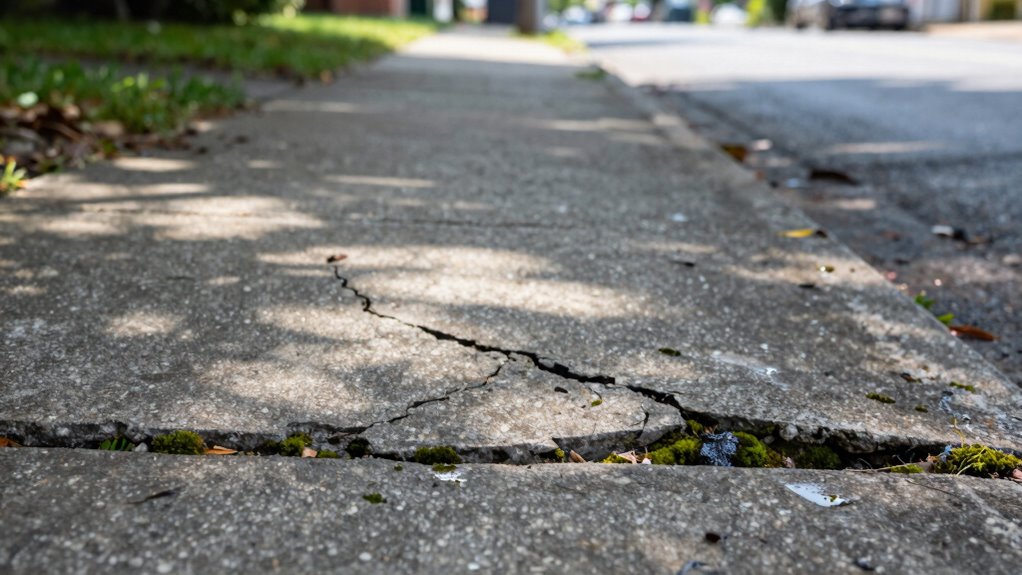
Have you ever wondered where slip-and-fall accidents happen most often? It’s usually in places people overlook or underestimate—areas that seem harmless but pose significant risks if not properly addressed. One of the most common slip-and-fall risk zones is the often-neglected threshold or changeover area between different flooring types or surfaces. These zones tend to be overlooked during regular safety checks, yet they’re prime spots for accidents, especially when the changeover isn’t smooth or clearly marked. You might walk over them daily without thinking twice, but they can become hazardous if they’re uneven, cracked, or covered in slippery substances.
Threshold zones between flooring types are overlooked but highly hazardous if uneven or slippery.
To prevent falls in these zones, you need to focus on hazard identification. This means regularly inspecting these changeover points, keeping an eye out for cracks, warping, water, or debris that could cause someone to slip. Once hazards are identified, the next step is to implement corrective measures—like repairing uneven surfaces, adding textured mats, or installing slip-resistant coatings. But simply fixing the problem isn’t enough. Effective safety signage is essential to warn visitors and employees about potential risks. Proper signage, such as “Caution: Slippery When Wet” or “Uneven Surface,” should be visible and clear, especially during maintenance or adverse weather conditions.
Many owners forget to emphasize hazard identification and safety signage at these key changeover zones. They might assume that once repairs are made, the area is safe, but neglecting ongoing monitoring can lead to overlooked hazards that re-emerge over time. Regular inspections are essential because conditions change—weather can cause surfaces to become slick, or foot traffic can wear down flooring. Properly placed safety signage acts as a visual cue, alerting people to proceed with caution, which reduces their risk of slipping or falling. Additionally, understanding the importance of hazard mitigation strategies can help owners create more comprehensive safety plans. Incorporating ongoing hazard assessments ensures that safety measures stay effective over time and adapt to changing conditions. Recognizing subtle hazards that develop over time is crucial to maintaining a safe environment. Furthermore, educating staff and visitors about common slip-and-fall hazards can significantly enhance safety awareness and prevention efforts.
You need to understand that slip-and-fall risks aren’t always about obvious hazards like spills or loose rugs; they’re often about subtle, persistent dangers at changeover points. Regular hazard identification helps you catch these dangers early. Meanwhile, strategic safety signage guides everyone on how to navigate these zones safely. Implementing preventative safety measures can further reduce the likelihood of accidents. When you combine these efforts, you create a robust safety environment that minimizes the likelihood of accidents. Recognizing that these often-forgotten zones are potential danger spots—and addressing them proactively—can save you from costly liability issues and, more importantly, prevent injuries. Don’t overlook these vital areas; they’re where accidents most frequently happen, and fixing them should be a top priority in your safety plan.
slip-resistant floor mats for transition zones
As an affiliate, we earn on qualifying purchases.
As an affiliate, we earn on qualifying purchases.
Frequently Asked Questions
How Often Should Slip-And-Fall Risk Zones Be Inspected?
You should inspect slip-and-fall risk zones at least monthly to guarantee safety. Regular hazard identification helps catch issues early, preventing accidents. Incorporate these inspections into your maintenance schedules, especially after severe weather or spills. Frequent checks allow you to promptly address hazards like wet floors or uneven surfaces, reducing liability and keeping everyone safe. Consistent inspections are key to maintaining a secure environment and avoiding costly injuries.
Are There Specific Materials That Reduce Slip Hazards?
You should consider using anti-slip coatings and textured surfaces, as studies show they can reduce slip accidents by up to 90%. These materials create better traction and grip, especially on wet or smooth floors. Anti-slip coatings form a durable layer that resists slipping, while textured surfaces add friction. Both options are highly effective in minimizing slip hazards, making your floors safer and helping prevent costly falls.
What Signage Is Recommended for High-Risk Areas?
You should use clear warning signs and safety symbols in high-risk areas to alert people of potential slip hazards. Place signs at eye level and guarantee they’re visible from a distance. Use universally recognized symbols, like a slipping figure, along with bold wording such as “Caution: Slippery When Wet.” Regularly inspect and replace signs if they become obscured or damaged, to maintain safety and awareness at all times.
Who Is Legally Responsible for Accidents in These Zones?
You’re legally responsible for accidents in slip-and-fall risk zones if you neglect safety measures. Your legal obligations include maintaining a safe environment and addressing hazards promptly. If someone slips and gets hurt, you could face insurance claims or legal action. Ensuring proper signage, fixing hazards, and regular inspections help protect both visitors and your liability, reducing the risk of lawsuits and ensuring compliance with safety regulations.
How Can Owners Effectively Train Staff to Identify Hazards?
Think of staff training as planting a vigilant garden, where hazard recognition blooms through consistent care. You can effectively train your team by offering regular, hands-on hazard recognition exercises, emphasizing real-world scenarios. Use visual aids and clear checklists to reinforce awareness. Encourage open communication, so staff feel confident pointing out risks. By nurturing this culture, you create a proactive environment that minimizes slip-and-fall risks before they turn hazardous.
slip-resistant coatings for flooring
As an affiliate, we earn on qualifying purchases.
As an affiliate, we earn on qualifying purchases.
Conclusion
So, next time you’re walking across that seemingly harmless patch of uneven pavement or overlooked stair tread, remember: you’re flirting with disaster in the slip-and-fall risk zone most owners conveniently forget. It’s almost impressive how these tiny hazards hide in plain sight, daring you to take a tumble. But hey, why bother fixing it? After all, who doesn’t love a good, unexpected, and totally avoidable trip to the emergency room?
As an affiliate, we earn on qualifying purchases.
As an affiliate, we earn on qualifying purchases.
Halloween Picks
halloween
As an affiliate, we earn on qualifying purchases.