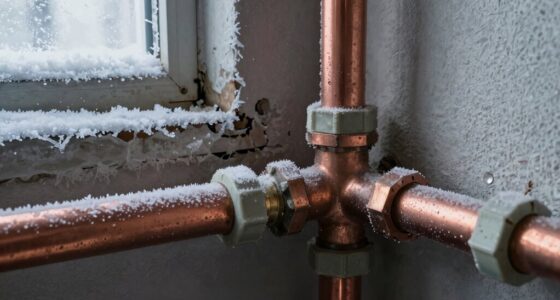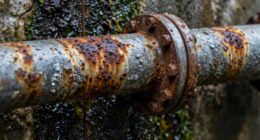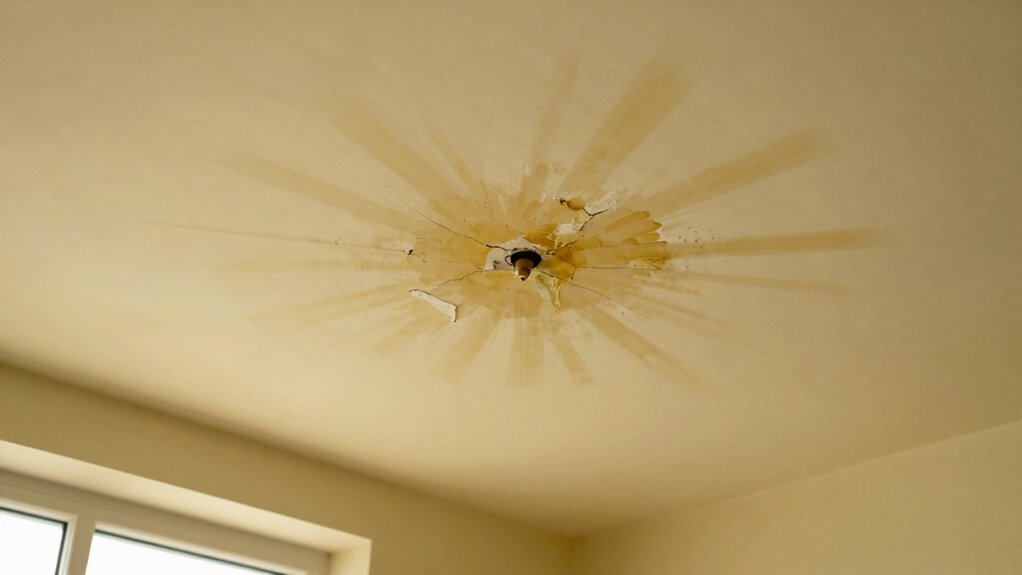

Many homeowners notice leak warning signs too late, often because small issues go unnoticed or ignored. You might see discoloration, rust stains, or metallic smells that hint at developing corrosion. Mold patches, warped floors, or bubbling paint can also signal hidden leaks. Usually, these signs appear after significant damage occurs. If you want to catch problems early and avoid costly repairs, pay close attention to these clues—you’ll find out how to stay ahead of trouble.

Get pool and patio gear delivered free — and shop member deals
- Fast, free delivery on millions of items
- Access to Prime Big Deal Days deals on October 6–7
- Prime Video, Amazon Music and more included
Key Takeaways
- Rust-colored stains or discoloration near pipes often go unnoticed until significant corrosion occurs.
- Mold growth and musty odors are frequently overlooked early, delaying leak detection.
- Warped flooring and bubbling paint are signs owners often dismiss as minor issues.
- Small cracks or pinhole leaks are frequently ignored until they cause major water damage.
- Lack of regular inspections allows early warning signs to be missed, leading to costly repairs.
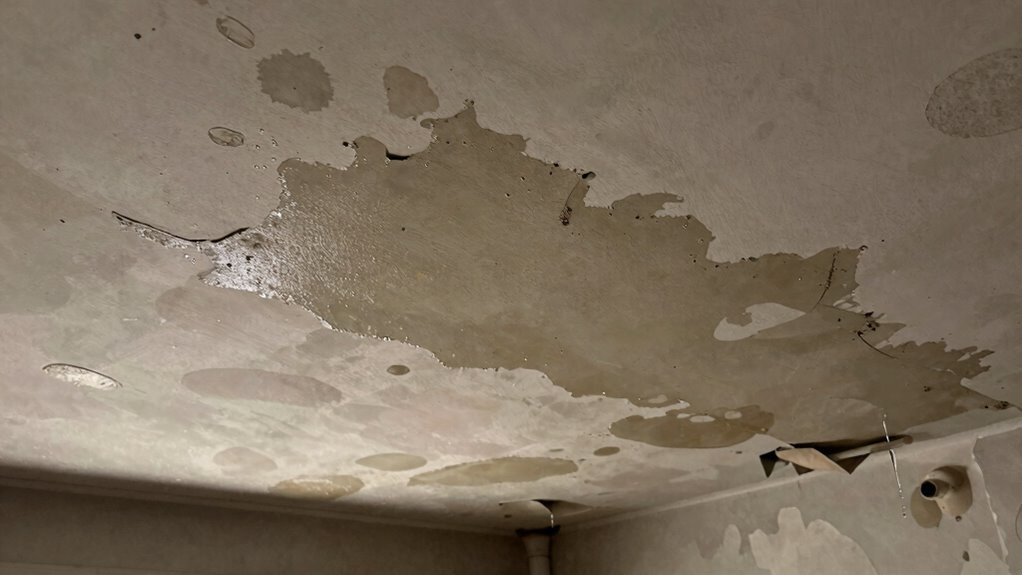
Many homeowners overlook the early signs of leaks until damage becomes severe, leaving you to deal with costly repairs and mold growth. It’s easy to miss the subtle clues that indicate a leak is forming, especially when you’re busy with daily routines. One of the most common early signs is pipe corrosion, which often occurs quietly over time. When pipes corrode, they weaken and become prone to small cracks or pinhole leaks. These tiny leaks may not be immediately obvious, but over weeks or months, they can cause water to seep into walls, floors, or ceilings. If you notice discoloration, rust-colored stains, or a metallic smell near your pipes, it’s a clear sign that corrosion is taking hold—and that a leak might be imminent.
Early signs like discoloration and rust near pipes indicate corrosion and potential leaks before visible damage occurs.
Another warning sign that’s often overlooked is the presence of mold growth. Mold thrives in damp environments, and even a small leak can create the perfect conditions for it to develop. You might notice a musty smell in certain areas or see black, green, or gray patches forming on walls, ceilings, or behind furniture. If mold appears suddenly or in unexpected places, it’s often an indication that water is seeping somewhere that you can’t see directly. Ignoring these signs can lead to more than just cosmetic damage; mold can compromise your health, especially if you or your family members have allergies or respiratory issues. Being aware of hidden water leaks can help you address problems before they escalate. Regular inspections of your plumbing system and understanding early leak indicators are crucial for timely intervention. Recognizing the signs of ongoing leaks can help prevent further damage and ensure prompt repairs. Additionally, understanding the causes of pipe corrosion can help homeowners take preventative measures to protect their plumbing systems.
Many owners wait until the water damage becomes obvious—such as warped flooring, bubbling paint, or stained walls—before taking action. By that point, the leak has usually been ongoing for some time, and the damage is extensive. The longer you delay investigation and repairs, the more likely you are to encounter severe consequences like structural weakening or widespread mold growth. Water from leaks can also cause wood framing or drywall to rot, which complicates repairs and greatly increases costs. Recognizing early water damage signs can help prevent these costly repairs and health risks.
You should be vigilant for the early signs of pipe corrosion and mold growth because catching leaks early can save you money and prevent health hazards. Regular inspections of your plumbing system, especially in areas prone to moisture like basements, bathrooms, and kitchens, are essential. Look for discoloration, rust, or any unusual smells. Addressing these signs immediately helps prevent small issues from turning into major problems. When you notice even minor concerns, don’t wait for visible damage—act quickly to identify the source of the leak and get it repaired. This proactive approach keeps your home safe, dry, and mold-free.
As an affiliate, we earn on qualifying purchases.
Frequently Asked Questions
How Can I Prevent Hidden Leaks in My Home?
To prevent hidden leaks in your home, you should prioritize regular plumbing maintenance, like checking for drips and worn-out fittings. Keep an eye on your water bills and use water conservation habits to spot unusual increases early. Inspections of pipes and fixtures help catch leaks before they become serious, saving water and money. Staying proactive guarantees you avoid costly repairs and protect your home’s integrity.
What Tools Are Best for Detecting Leaks Early?
Imagine catching a silent threat before it grows—leak detection technology is your best ally. Use tools like ultrasonic leak detectors, moisture meters, and thermal imaging cameras for early signs of trouble. These devices enable precise detection, saving you from costly repairs. Incorporate plumbing maintenance tips like regular inspections and monitoring water bills. With these tools and habits, you stay a step ahead, protecting your home from unseen water damage.
How Often Should I Inspect for Leaks?
You should inspect for leaks at least once a month to catch issues early. Regular checks help you spot signs like pipe corrosion or mold growth, which often indicate hidden leaks. Pay close attention to your pipes, especially in damp or dark areas. Prompt inspections enable you to address problems before they escalate, saving you money and preventing damage. Consistent monitoring keeps your plumbing system in good shape.
Are There Signs of Leaks in Hard-To-Reach Areas?
In hard-to-reach areas, signs of leaks hide like whispers behind walls. Look for pipe corrosion, which often appears as rust or discoloration, and mold growth that spreads like dark secrets. Damp patches or a musty smell can also betray hidden leaks. Keep a vigilant eye—these subtle clues are your first warning, preventing water damage from turning into a costly, unseen disaster.
What’s the Average Cost to Fix a Hidden Leak?
The average cost to fix a hidden leak ranges from $150 to $1,000, depending on the complexity. If pipe corrosion or water pressure issues caused the leak, repairs might involve replacing sections of pipe or installing pressure regulators. You’ll need professional detection to pinpoint the problem, which adds to the cost. Addressing these signs early can prevent costly water damage and extensive repairs down the line.
As an affiliate, we earn on qualifying purchases.
Conclusion
By the time you notice a leak, it’s often like the water has already begun to carve out its path beneath the surface. Staying vigilant and recognizing early warning signs can prevent small issues from becoming overwhelming floods. Think of your home as a delicate vessel—regular checks keep the ship steady and avoid sinking into costly repairs. So, trust your instincts and inspect regularly; catching leaks early is your best defense against unseen damage and costly surprises.
As an affiliate, we earn on qualifying purchases.
As an affiliate, we earn on qualifying purchases.
Fall Picks
fall essentials
As an affiliate, we earn on qualifying purchases.