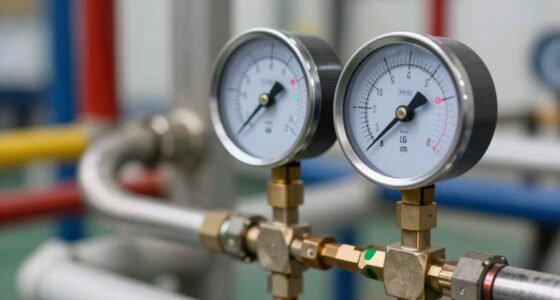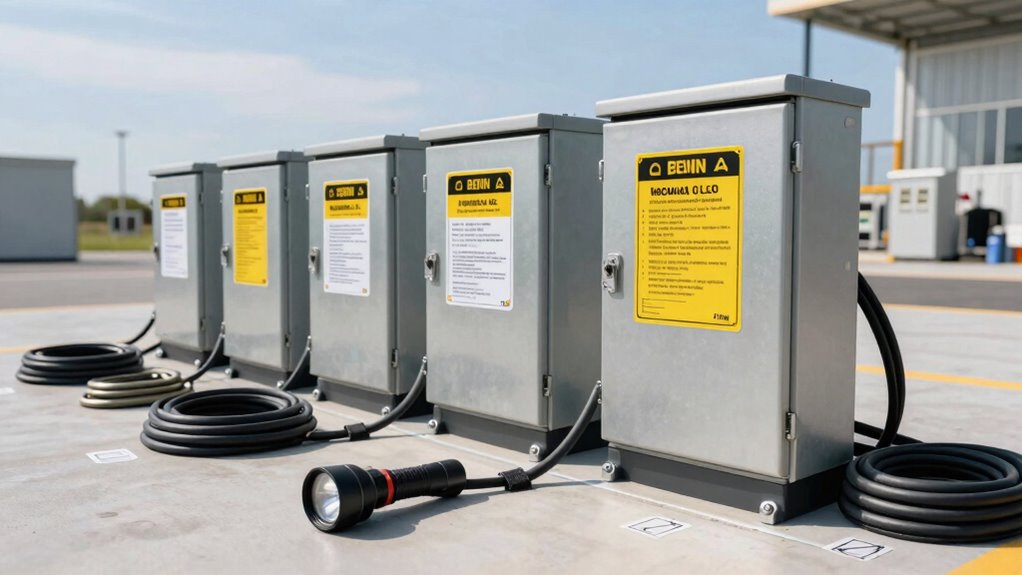
Each month, you should check your equipment pad for secure utility connections, looking for corrosion, leaks, or damage. Inspect the pad’s surface to guarantee it’s level, free of cracks, debris, or vegetation that might affect stability or drainage. Examine the foundation for erosion or instability, and verify existing drainage directs water away from the pad. Keep an eye out for signs of rust or mold, and consider regular upkeep to prevent bigger issues later on—continue to see what else needs monitoring.

Get pool and patio gear delivered free — and shop member deals
- Fast, free delivery on millions of items
- Access to Prime Big Deal Days deals on October 6–7
- Prime Video, Amazon Music and more included
Key Takeaways
- Check utility connections for leaks, corrosion, or loose fittings.
- Inspect the pad for cracks, levelness, and signs of shifting or damage.
- Remove debris, vegetation, and obstructions affecting drainage and stability.
- Examine the foundation and surrounding area for erosion, moisture, or pest activity.
- Ensure proper drainage and inspect for rust, mold, or environmental hazards.

Regularly inspecting equipment pads is essential to guarantee safety and prevent costly repairs. When you check your equipment pad each month, you’re not just looking for obvious issues—you’re actively maintaining the integrity of the entire system. Start by examining the utility connections, which are critical for proper operation. Verify all cables, pipes, and fittings are secure and free from corrosion, leaks, or damage. Loose or compromised utility connections can lead to system failures or safety hazards, so addressing even minor issues promptly keeps everything running smoothly. Pay close attention to signs of wear or deterioration around these connections, as they can indicate underlying problems that might escalate if left unchecked.
Next, focus on spotting environmental hazards that could threaten your equipment pad’s stability or safety. Look for standing water, mud, or excessive debris that can cause erosion or promote mold growth. Water pooling around the pad can weaken the foundation over time, leading to uneven settling or even collapse. Clear away any debris, leaves, or vegetation that might obstruct drainage or cause moisture buildup. Check for signs of pest activity, such as nests or burrows, which can compromise the pad’s structure or damage utility lines. Be vigilant for rust or corrosion on exposed metal parts, as this indicates exposure to moisture or corrosive elements, which could lead to failure or safety risks. Regular inspections help identify potential issues before they develop into more serious problems. Additionally, understanding the importance of protective coatings can help prolong the lifespan of exposed metal parts on your equipment pad.
Inspect the physical condition of the pad itself. Ensure it remains level, free of cracks, or signs of shifting. Cracks may seem minor but can quickly worsen, exposing utility connections and creating potential environmental hazards. If you notice any cracks or unevenness, plan for repairs to prevent further deterioration. Also, confirm that the pad’s surface remains clean and dry—moisture on or around the pad can accelerate corrosion and foster mold growth, both of which threaten the longevity of your equipment. Regularly checking the drainage systems around the pad ensures water is directed away appropriately, reducing the risk of water infiltration that could damage the utility connections and compromise the foundation. Proper drainage management is essential for maintaining the stability of your equipment pad and preventing future issues.
Frequently Asked Questions
How Do I Identify Early Signs of Equipment Corrosion?
To identify early signs of equipment corrosion, look for discoloration, rust, or pitting on metal surfaces. Regular inspections help catch material degradation before it worsens. Keep an eye out for any streaks or flaky patches, which indicate corrosion progression. Implement corrosion prevention measures, like protective coatings or sealants, to slow down deterioration. Promptly address any signs to extend equipment lifespan and maintain peak performance.
What Safety Precautions Should I Take During Inspections?
Did you know that proper safety precautions can reduce workplace injuries by up to 50%? During inspections, always wear appropriate safety gear—gloves, goggles, and a hard hat. Follow your inspection checklist meticulously to identify hazards safely. Confirm the area is clear of obstacles, and communicate with team members. Prioritizing safety ensures you spot issues effectively without risking injury, keeping your equipment pad inspections both safe and thorough.
How to Prioritize Repairs if Issues Are Found?
When prioritizing repairs, you should evaluate issues based on safety risks, operational impact, and costs. Use cost-effective strategies by addressing urgent safety concerns first, then scheduling repairs during off-peak hours to minimize downtime. Follow scheduling best practices by creating a repair timeline, allocating resources efficiently, and documenting each step. This approach guarantees critical repairs are handled promptly while optimizing budget and time, keeping your equipment running smoothly and safely.
Is There Specific Documentation Required for Monthly Inspections?
Yes, you should use an inspection checklist to guarantee consistency during your monthly inspections. The documentation requirements typically include recording the date, inspector’s name, and detailed notes on the condition of equipment and any issues found. This helps track maintenance history, supports compliance, and provides a clear record for future reference. Regularly updating your inspection checklist and documentation ensures you stay organized and proactive in maintaining your equipment pad.
What Tools Are Recommended for Inspecting Equipment Pads?
Think of inspecting your equipment pad like tending a garden; you need the right tools. Use a flashlight to illuminate hidden spots, a mirror for hard-to-see areas, and a digital camera to document conditions. An inspection checklist guides your thorough examination, while a multimeter checks electrical connections. These tools overview make sure you catch issues early, keeping your equipment in top shape and preventing costly repairs down the line.
Conclusion
Think of your equipment pad as the heart of your system—keeping it healthy guarantees everything runs smoothly. By inspecting it each month, you’re like a vigilant guardian, catching issues before they grow into major problems. Regular checks are your shield against unexpected breakdowns, saving you time and money. Stay proactive, stay vigilant, and treat your equipment pad like a precious garden that needs regular tending. Your attention today keeps your system humming tomorrow.
Fall Picks
fall essentials
As an affiliate, we earn on qualifying purchases.