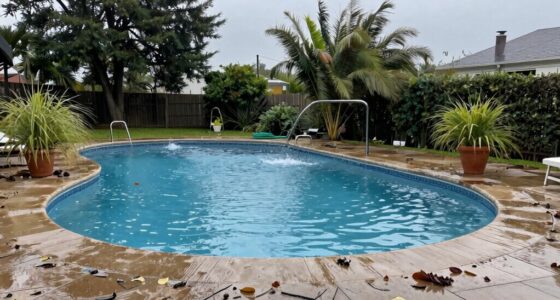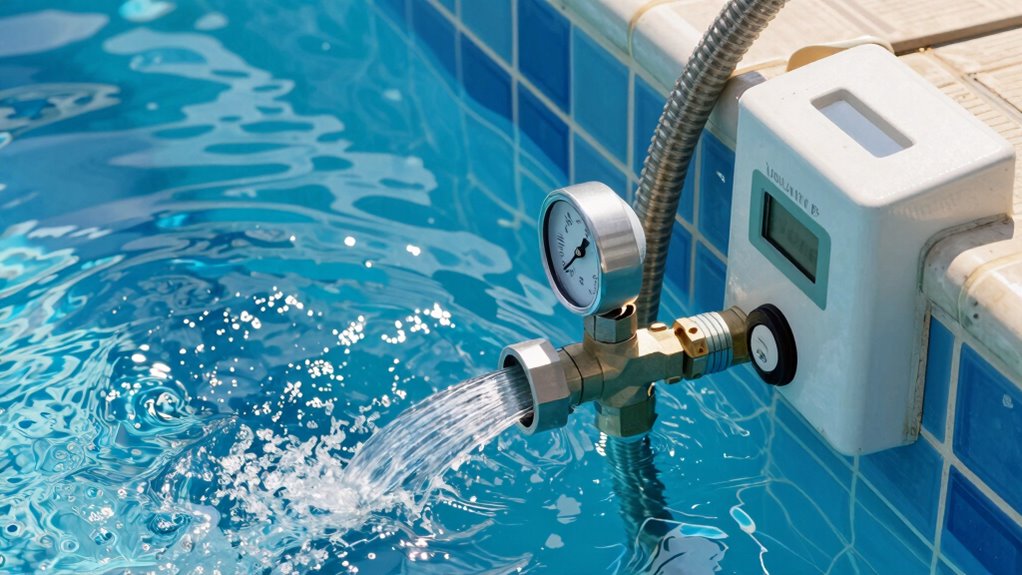

To keep your pool in top shape, backwash when your filter pressure rises 8-10 psi above normal, usually every 4-6 weeks for sand filters or when water flow drops for cartridges. Run the backwash until the water runs clear, typically 2-3 minutes. Watch for cloudy water or high pressure, and avoid over-washing to save water. For more tips on timing and signs to watch for, keep exploring.
Key Takeaways
- Backwash your filter when pressure rises 8-10 psi above normal, typically every 4-6 weeks for sand filters.
- Run the backwash until the water runs clear, usually for 2-3 minutes, stopping when debris is removed.
- Use chemical balance and water clarity as indicators to determine if backwashing is needed sooner.
- Heavy use or dirty water may require backwashing every 1-2 weeks; light use can extend to 3-4 weeks.
- Regularly inspect filter components and monitor pressure gauges to ensure optimal cleaning intervals and prevent damage.
As an affiliate, we earn on qualifying purchases.
When and Why to Backwash Your Pool Filter
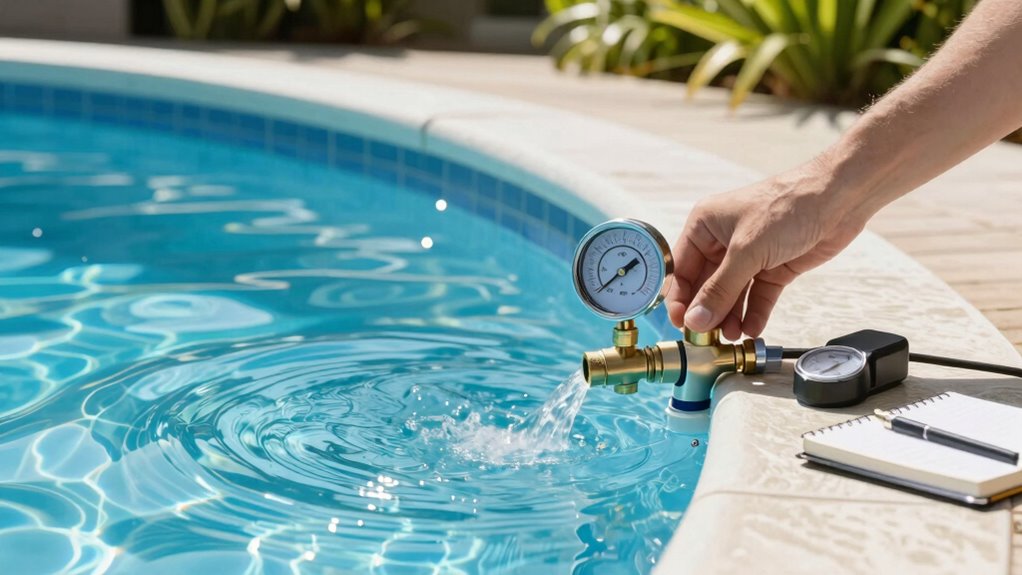
Knowing when to backwash your pool filter is essential for maintaining clear, healthy water. You should backwash when the filter pressure gauge rises 8-10 psi above the normal operating level, indicating it’s clogged. Proper chemical balance also plays a role; if your water chemistry is off, debris can accumulate faster, requiring more frequent filter cleaning. Different filter types—sand, cartridge, or DE—have specific backwashing needs. Sand filters typically need backwashing every 4-6 weeks, while cartridge filters may only require cleaning when dirty, and DE filters need backwashing when pressure rises. Regularly monitoring pressure and water clarity ensures you backwash at the right time, preventing issues like poor circulation and cloudy water. Understanding filter maintenance helps keep your pool water pristine. Additionally, filter media can influence how often backwashing is needed, as some materials trap debris more effectively than others. Being aware of filter performance can also help you identify early signs of problems before they affect water quality, and inspecting filter components regularly ensures optimal operation.
cartridge pool filter cleaning tools
As an affiliate, we earn on qualifying purchases.
As an affiliate, we earn on qualifying purchases.
Signs It’s Time to Backwash Your Pool Filter
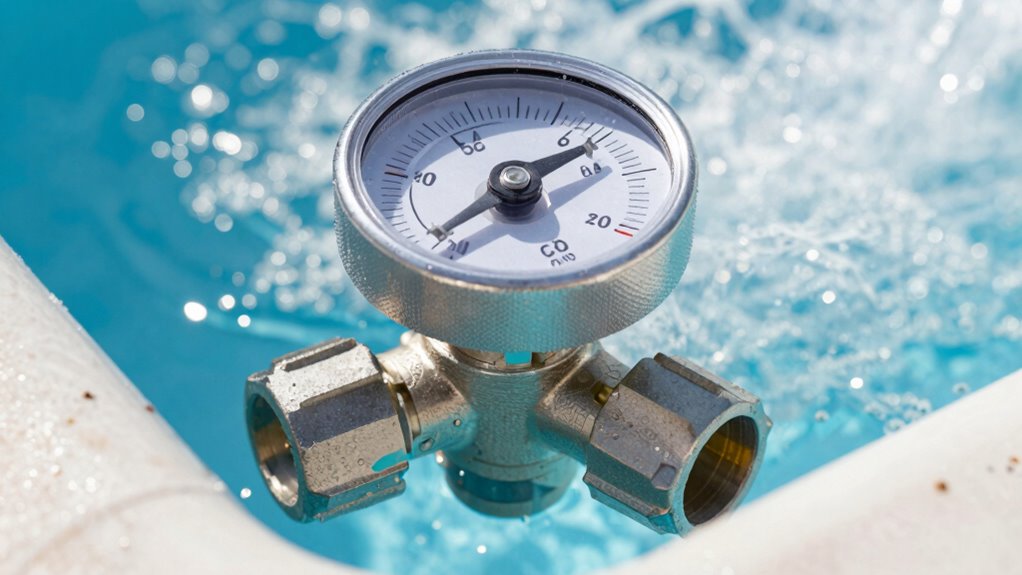
Your pool filter shows clear signs when it’s time to backwash, and recognizing these cues can keep your water sparkling. One key indicator is water clarity; if your water appears cloudy or hazy despite regular skimming, it may mean your filter isn’t effectively removing debris. Another essential sign is filter pressure—if the gauge reads 8-10 psi above the normal operating range, it’s a sign your filter is clogged and needs backwashing. Don’t ignore these signals, as they can lead to poor water quality and increased strain on your pump. Regularly monitoring your filter pressure and water clarity helps you catch the need for backwashing early, ensuring your pool stays clean and clear with less effort. Additionally, understanding the performance of electric dirt bikes can provide insight into the importance of maintaining efficient systems, much like keeping your pool filter in optimal condition. Keeping an eye on filter maintenance practices can further extend the lifespan of your equipment and improve overall water quality. Being aware of proper backwashing procedures can also help prevent damage to your filter and ensure it functions correctly. Incorporating regular inspection routines can help detect early signs of issues before they become major problems. Proper maintenance routines, similar to adhering to retailer return policies, can save you time and money in the long run.
As an affiliate, we earn on qualifying purchases.
How Often Should You Backwash Based on Usage and Conditions
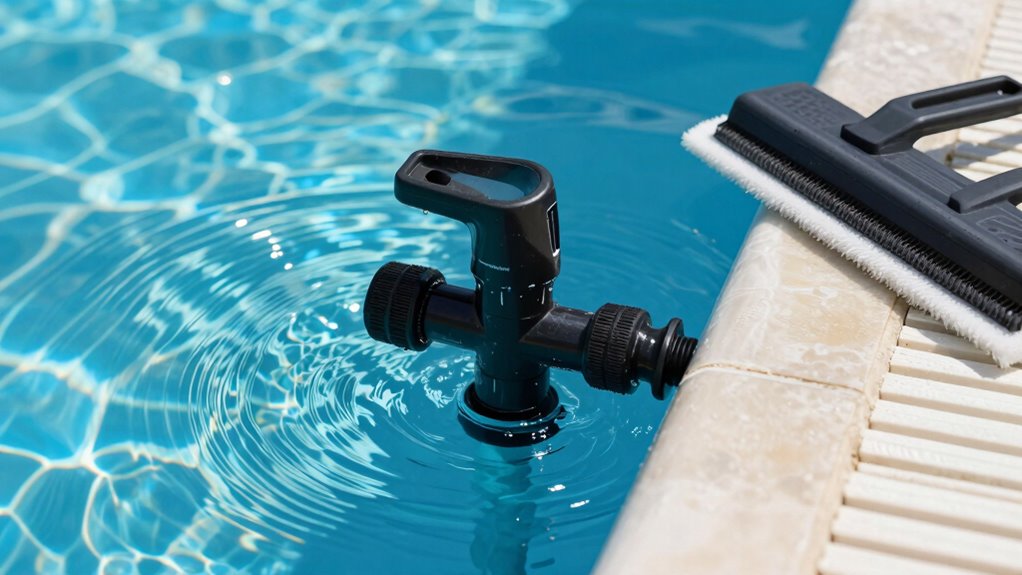
How often you need to backwash your pool filter depends largely on how frequently you use your pool and the surrounding conditions. If you swim daily or have lots of debris, you’ll need to backwash more frequently—perhaps every 1-2 weeks. Conversely, if usage is light, every 3-4 weeks may suffice. Maintaining proper pool chemical balance helps prevent buildup and reduces the need for frequent backwashing. Also, filter type considerations are important; sand filters typically need backwashing when the pressure rises 8-10 psi above normal, while cartridge filters may require cleaning when flow decreases. Regularly monitoring your filter’s pressure gauge and adjusting based on usage and water clarity guarantees top performance and prolongs your filter’s lifespan. Additionally, understanding the bitter taste of green tea can help you avoid oversteeping your tea, ensuring a more enjoyable beverage. To optimize your backwashing routine, it’s essential to consider the filter’s material, as different types may have varying maintenance needs. Recognizing the filter’s lifespan can also help you plan for timely replacements and maintenance, keeping your system running efficiently. Being aware of the essential oils for filter maintenance can also aid in selecting appropriate cleaning agents that are safe for your filter type. Moreover, understanding the filter’s maintenance schedule can help you develop a routine that prevents issues before they arise, maintaining optimal filtration performance.
As an affiliate, we earn on qualifying purchases.
How Long to Run the Backwash for Best Results
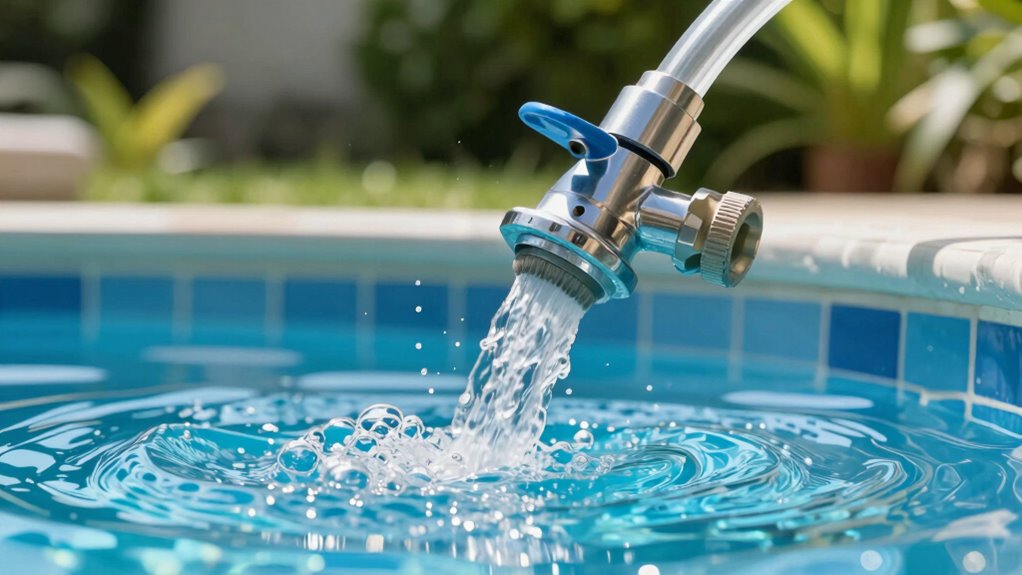
To achieve the best results during backwashing, you should run the process until the water runs clear, indicating that dirt and debris have been effectively removed. Keep an eye on your filter pressure; as it drops to normal levels, it’s a sign that cleaning is complete. Typically, this means running the backwash for 2 to 3 minutes, but it can vary based on debris buildup. If you notice the pressure gauge stabilizes and the water clarity improves, it’s a good indicator you’ve run it long enough. Avoid over-backwashing, as it wastes water and can disrupt your pool’s chemistry. The goal is to find that sweet spot where the filter is clean, and the pool remains clear. Additionally, understanding the filter media can help you determine the appropriate backwash duration and frequency for optimal pool maintenance. Regularly inspecting your filter cycles can also prevent unnecessary wear and ensure consistent filtration performance. Monitoring the filter pressure gauge closely can provide real-time feedback on when to stop backwashing. Incorporating proper backwashing techniques ensures that your pool remains clean efficiently without damaging the filter.
Tips for Effective Backwashing Without Wasting Water
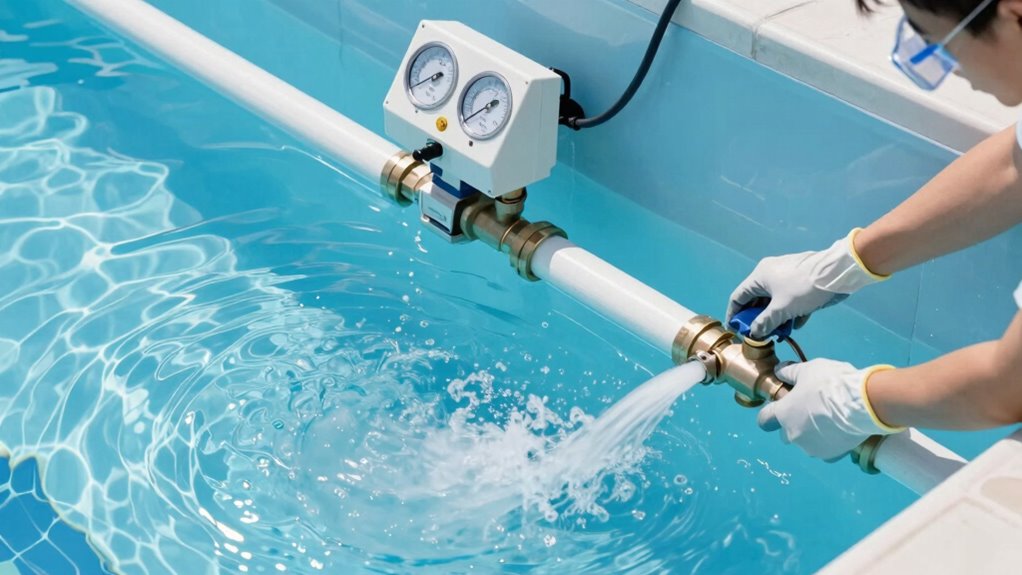
Running the backwash just until the water runs clear helps prevent wasting water and keeps your pool balanced. To maximize efficiency, monitor your pool’s chemical balance regularly, especially after backwashing, since filter flushing can affect pH levels and sanitizer effectiveness. Incorporate filter maintenance tips like cleaning the filter media and inspecting for damage to ensure peak performance. Avoid over-backwashing, which wastes water and disrupts your pool’s chemical equilibrium. Instead, backwash only when necessary—typically when pressure increases by 8-10 psi. Using the correct backwash duration prevents unnecessary water use while maintaining a clean, healthy pool. Keep a routine schedule, and always watch for signs of dirty filters or imbalance, so you can act promptly without excess water consumption. Additionally, understanding filter media care helps extend your filter’s lifespan and maintain optimal filtration efficiency.
Frequently Asked Questions
Can Over-Backwashing Damage My Pool Filter?
Over-backwashing can indeed harm your pool filter, leading to filter damage and increased maintenance costs. If you backwash too often or for too long, you risk breaking down filter components or reducing their efficiency. To avoid costly repairs, follow recommended backwashing intervals and watch for signs like decreased flow or cloudy water. Proper maintenance ensures your filter lasts longer and keeps your pool water clean and clear.
How Does Water Temperature Affect Backwashing Frequency?
Water temperature impacts your pool’s circulation and water clarity, influencing backwashing frequency. When temps are higher, your pool tends to circulate water more quickly, leading to faster debris buildup and cloudiness. You should backwash more often in warm weather to maintain clear water and proper circulation. Conversely, cooler water slows debris accumulation, so you can extend intervals between backwashes. Keep an eye on water clarity to determine the right timing.
Is It Necessary to Backwash After Heavy Rain?
Yes, you should backwash after heavy rain. Rain runoff and pool runoff can introduce debris and contaminants, clogging your filter. This reduces circulation and cleaning efficiency. By backwashing, you remove accumulated dirt and debris, ensuring your pool stays clean and safe. Check your pressure gauge; if it’s high after rain, it’s a good sign you need to backwash. Regular maintenance keeps your pool in top condition.
What Are the Environmental Impacts of Backwashing?
Backwashing can impact the environment through water waste and chemical runoff concerns. When you backwash, you use a significant amount of water, which may lead to environmental water waste if not properly managed. Additionally, chemicals from pool filters can wash into nearby water sources, potentially harming aquatic life. To minimize these impacts, you should follow proper disposal practices, use eco-friendly chemicals, and backwash only when necessary.
Can Using Chemicals Reduce the Need to Backwash Frequently?
Think of chemicals as shields that can reduce your need to backwash as often. Chemical inhibitors help prevent buildup, keeping your filter cleaner longer. This means fewer backwashes, saving you time and energy. Plus, it can lower maintenance costs by reducing wear and tear on your system. However, use chemicals wisely, as over-reliance might lead to other issues. Balance is key to maintaining a healthy, efficient pool.
Conclusion
By following these backwashing rules, you guarantee your pool stays clean and clear. For example, if your pool gets heavy use during the summer, backwash more frequently to prevent clogs. Remember to watch for signs like decreased flow or cloudy water. With proper timing and technique, you’ll save water and extend your filter’s lifespan. Stay attentive to your pool’s needs, and enjoy crystal-clear swimming all season long.