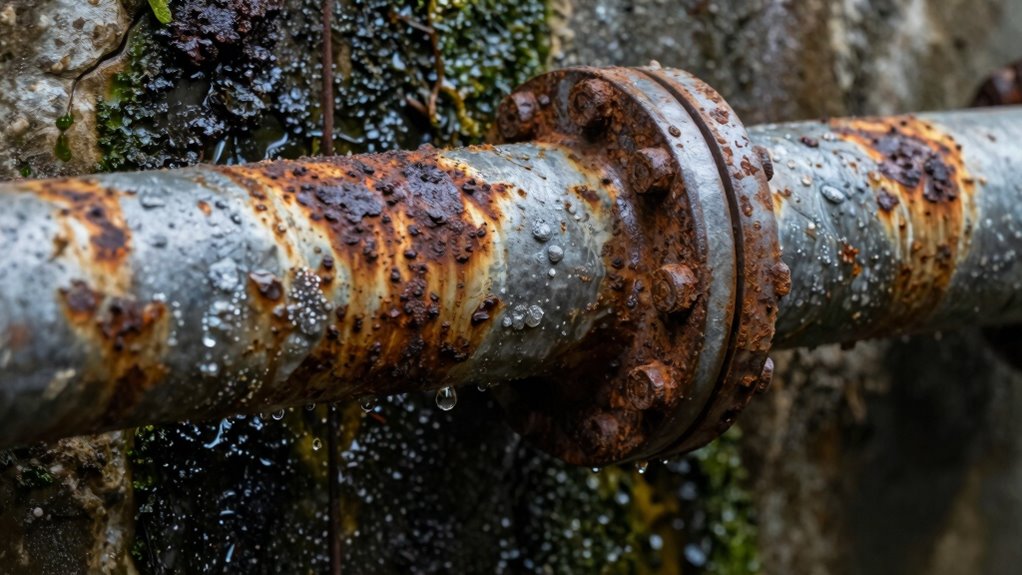

Neglecting water balance causes minerals like calcium and magnesium to settle out as scale, and it also reacts with metals or organic surfaces to cause stains. When water chemistry isn’t monitored or adjusted, deposits build up inside appliances, leading to damage and inefficiency. Over time, these issues become harder to manage and more costly. By understanding how water chemistry impacts these problems, you can take steps to prevent them and keep your home in top shape.

Get pool and patio gear delivered free — and shop member deals
- Fast, free delivery on millions of items
- Access to Prime Big Deal Days deals on October 6–7
- Prime Video, Amazon Music and more included
Key Takeaways
- Neglected water balance leads to mineral accumulation, increasing the likelihood of scale formation and surface staining.
- Imbalanced pH levels cause minerals to precipitate out of water, initiating deposits and stains.
- Without proper filtration, minerals and contaminants react with surfaces, promoting staining and scaling.
- Lack of monitoring allows mineral concentrations to rise, accelerating deposit buildup.
- Poor water management results in insulation of heating elements, worsening scale and damage over time.
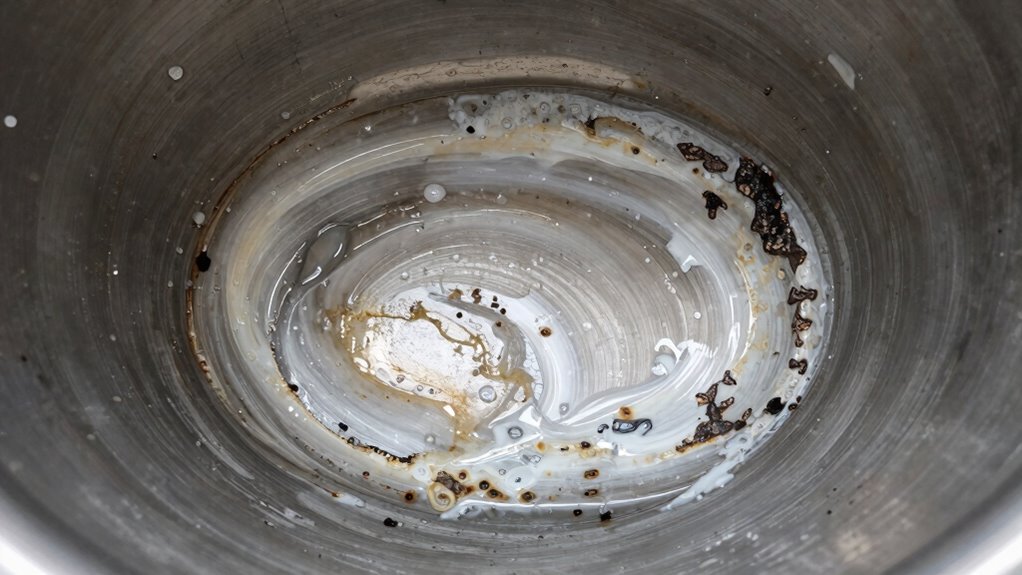
Have you ever wondered how water balance impacts the formation of scale and staining in your plumbing or appliances? It all starts with the water’s chemistry, which often gets overlooked until problems become visible. When water isn’t properly balanced, minerals like calcium and magnesium tend to settle out and form deposits. These deposits, known as scale, cling to the inside of pipes, fixtures, and appliances, reducing efficiency and eventually causing damage. Staining, on the other hand, occurs when minerals react with metals or organic materials, leaving unsightly marks on sinks, tubs, and appliances. The key to preventing these issues lies in maintaining proper water chemistry through measures like chemical filtration and pH adjustment.
Proper water chemistry prevents scale buildup and stains, protecting your plumbing and appliances from damage and inefficiency.
Chemical filtration plays a *essential* role in controlling water quality. It removes or neutralizes contaminants and minerals before they can cause trouble. By filtering out excess calcium and magnesium, you reduce the likelihood of scale buildup. This process often involves media like ion exchange resins or activated carbon, which target specific impurities. When combined with pH adjustment, chemical filtration becomes even more effective. pH levels influence mineral solubility; if the water is too alkaline or too acidic, minerals are more prone to precipitate and form deposits. Adjusting pH to a neutral or slightly balanced level prevents these minerals from settling out prematurely. This balance not only minimizes scale but also improves the overall quality of your water, making it safer and more pleasant to use. Understanding water chemistry is crucial for effective maintenance and prevention. Additionally, regular testing of water parameters can help ensure your system remains properly balanced.
Neglecting water balance means you’re more likely to face stubborn stains and mineral deposits over time. When minerals aren’t adequately filtered or the pH isn’t corrected, they can accumulate rapidly. This buildup strains appliances like water heaters, coffee makers, and dishwashers, forcing them to work harder and consume more energy. Over time, scale can insulate heating elements, causing them to overheat or fail. Similarly, staining becomes persistent when mineral particles settle on surfaces, leaving behind discoloration that’s tough to clean. Proper water balance acts as a preventative barrier, reducing the need for costly repairs and cleaning. It is also beneficial to be aware of the water’s hardness as it directly impacts the likelihood of scale formation.
Ultimately, the health of your plumbing and appliances hinges on your awareness of water chemistry. Regularly implementing chemical filtration and monitoring pH levels can save you money and hassle down the line. When you take these steps seriously, you’re less likely to face the destructive effects of scale and staining, keeping your fixtures cleaner, more efficient, and longer-lasting. Water balance isn’t just a technical detail; it’s an *essential* part of maintaining a functional and visually appealing home.
Frequently Asked Questions
How Can Water Balance Issues Be Detected Early in Pools?
You can detect water balance issues early by regularly performing chemical testing to monitor pH, alkalinity, and calcium levels. Keep an eye on sensor calibration to guarantee accurate readings from your pool equipment. If you notice sudden changes or inconsistent results, it might indicate imbalances that could lead to scaling or staining. Addressing these signs promptly helps maintain water clarity, prevent damage, and keep your pool in ideal condition.
What Are Common Signs of Neglected Water Balance?
Neglected water balance shows its signs through cloudy water, persistent algae, and mineral deposits on the pool surfaces. You might notice pH levels drifting out of range or your pool’s water becoming dull and discolored. These issues stem from imbalanced water chemistry, which complicates pool maintenance. Regularly testing and adjusting your water guarantees clarity, prevents scale and staining, and keeps your pool safe and inviting.
How Does Water Temperature Affect Scaling and Staining?
Water temperature considerably impacts scaling and staining because it influences water chemistry and how minerals behave. Higher temperatures cause minerals like calcium and magnesium to precipitate more readily, leading to scale buildup. Temperature fluctuations can worsen this, as rapid changes disturb water chemistry, encouraging staining and deposits. Maintaining stable water temperature helps prevent these issues, ensuring your pool’s water chemistry stays balanced and reduces the risk of unsightly stains and scale formation.
Can Water Balance Problems Cause Equipment Damage?
Yes, water balance problems can cause equipment damage. When there’s a chemical imbalance, minerals may precipitate, leading to scale buildup that damages components. Additionally, improper water balance can accelerate equipment corrosion by exposing parts to aggressive water chemistry. These issues compromise equipment integrity, reduce efficiency, and increase maintenance costs. Regularly monitoring and maintaining proper water balance helps prevent chemical imbalances and protects your equipment from costly damage.
What Are the Long-Term Effects of Ignoring Water Balance?
Ignoring water balance leads to long-term issues like chemical imbalance and pH fluctuation, which can damage your equipment over time. You might think minor changes don’t matter, but these fluctuations cause scale buildup and staining, reducing efficiency. If you neglect water balance, you risk costly repairs, increased energy use, and shortened equipment lifespan. Staying vigilant helps maintain ideal conditions, preventing these long-term problems and saving you money.
Conclusion
Just like a garden needs the right water balance to flourish, your pool relies on proper water management to prevent scale and staining. When you neglect this essential step, it’s like ignoring the roots of a plant—you risk everything else falling into disarray. Keep a close eye on your water balance, and you’ll nurture a sparkling pool that’s as vibrant and inviting as a well-tended garden. Don’t let neglect be the storm that ruins your oasis.
Fall Picks
fall essentials
As an affiliate, we earn on qualifying purchases.