
TL;DR

Get pool and patio gear delivered free with Prime
- Fast, free delivery on millions of items
- Prime Video, Amazon Music and more included
- Member-only deals all year
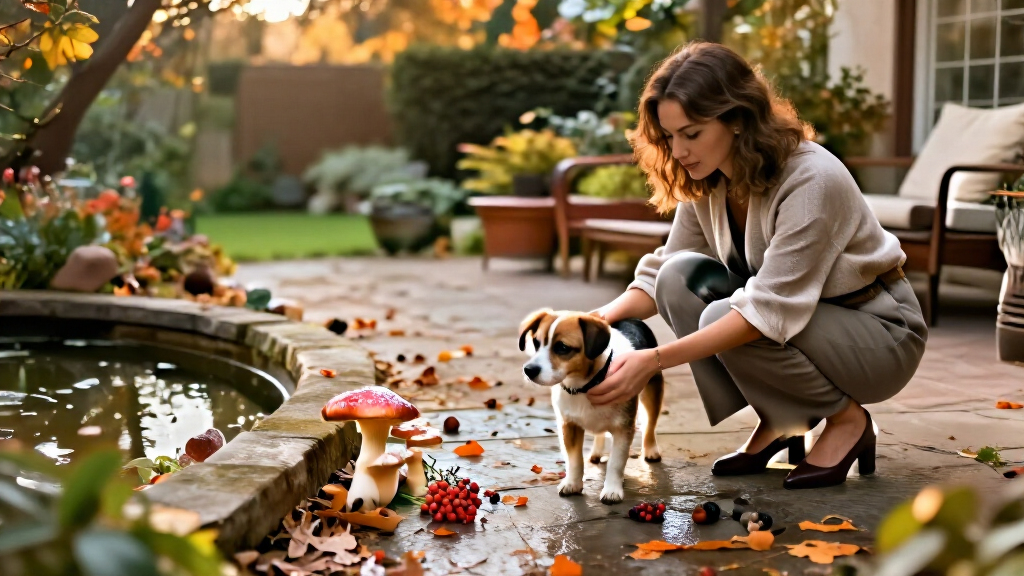
Amateur Gardening has published advice from veterinary surgeon Dr. Fabian Rivers on six autumn garden hazards for dogs: conkers, acorns, fallen fruit, fungi, sticks and garden chemicals. The report advises keeping dogs away from potential hazards and contacting a vet if a dog may have eaten something harmful; it does not provide cost estimates or quantify the risks.
Amateur Gardening has published advice from veterinary surgeon Dr. Fabian Rivers warning dog owners about six potential autumn garden hazards: conkers, acorns, fallen fruit, mushrooms, sticks and garden chemicals. The report says these items can cause problems ranging from stomach upset and choking to possible poisoning or injuries, and advises contacting a vet if a dog may have eaten something harmful.
The advice focuses on hazards that may be easy to miss among fallen leaves and garden debris. Rivers says conkers and acorns can irritate a dog’s stomach and may pose choking risks. He says swallowed conkers can also cause a blockage, which may require urgent veterinary care and, in some cases, surgery. The report lists vomiting, diarrhoea, drooling, lethargy and straining as possible warning signs after a dog eats a conker.
Rotting fruit and fungi are also flagged. Rivers says mouldy or decaying fruit, compost and plants may contain toxins associated with vomiting, diarrhoea, shakiness, dizziness or twitching. He cautions that owners may not be able to identify toxic mushrooms reliably, and recommends preventing dogs from eating any fungi. The report also says sticks and twigs can splinter or become lodged in a dog’s mouth, while garden chemicals, including slug pellets and fertilisers, should be kept out of pets’ reach.
The article recommends regularly collecting fallen fruit, clearing sticks and other debris, supervising dogs around hazards such as falling branches in high winds, and storing chemicals securely. It advises owners to contact a vet when ingestion of a potentially harmful item is suspected. It does not give a specific first-aid procedure or say that every exposure will require emergency treatment.
Preventing Autumn Garden Emergencies
The advice matters because dogs can encounter or swallow hazards while roaming in a garden, and some of the items named may not be obvious to an owner. A swallowed object could create a choking or blockage risk, while mouldy material, fungi and chemicals may lead to illness. The report says treatment for a blockage can involve surgery, but provides no cost figures; the headline’s reference to an expensive vet bill is not a quantified estimate.
For owners, the practical steps are straightforward: check the garden regularly, remove fallen fruit and loose branches, prevent access to mushrooms, and store chemicals in secure places. These precautions do not establish that all gardens pose the same level of risk. The report offers general veterinary advice rather than data on how often such incidents occur or how likely a dog is to become ill.
As an affiliate, we earn on qualifying purchases.
Seasonal Hazards Named in the Report
The report describes risks associated with autumn conditions in UK gardens, when trees shed seeds and fruit may fall and begin to decay. It also points to wet weather as a setting in which fungi may appear. Some risks can extend beyond a garden: the article notes that dogs may encounter conkers and acorns during walks as well as while exploring at home.
Rivers’ advice distinguishes between several kinds of exposure. Conkers and acorns are described as possible choking hazards and causes of stomach problems; fallen mouldy fruit and fungi are discussed as possible sources of toxins; and sticks may cause physical injury. Garden products present a separate risk if a dog can reach or ingest them, including chemical residue left in watering cans or buckets.
dog safe mushroom identification book
As an affiliate, we earn on qualifying purchases.
As an affiliate, we earn on qualifying purchases.
Risk Levels and Treatment Details
The supplied report does not quantify how often these hazards cause illness, identify the level of risk for each item, or provide cost estimates for veterinary treatment. It also does not list specific mushroom species or explain how to assess the amount of a substance a dog may have eaten. The symptoms named are not presented as a complete diagnostic guide, and the report does not establish that any one sign confirms poisoning or a blockage.
It is also unclear whether the article’s advice reflects a new veterinary alert or a seasonal safety report; no publication date or newly released research is provided in the supplied material. Owners should seek veterinary advice about an individual suspected ingestion rather than relying on the article to determine the severity of a case.
As an affiliate, we earn on qualifying purchases.
Steps Owners Can Take Now
The report’s immediate advice is to check gardens and walking routes for fallen seeds, fruit, mushrooms and sharp debris, and to keep chemicals and treated equipment inaccessible to pets. If a dog may have swallowed a potentially harmful item, contact a vet for guidance. The source does not set out a formal reporting process, a follow-up study or a scheduled next announcement.
Owners can continue to monitor their gardens as autumn weather changes, particularly after fruit falls or high winds bring down branches. Any symptoms after a possible ingestion warrant prompt professional advice; the report specifically mentions vomiting, diarrhoea, drooling, lethargy, straining, shakiness, dizziness and twitching among signs that may occur in some cases.
dog first aid kit for pet emergencies
As an affiliate, we earn on qualifying purchases.
As an affiliate, we earn on qualifying purchases.
Key Questions
Which six autumn garden hazards does the report identify?
It names conkers, acorns, fallen fruit, mushrooms, sticks and twigs, and garden chemicals, including products such as slug pellets and fertilisers.
What should I do if my dog may have eaten a mushroom or other hazard?
The report advises contacting a vet if ingestion is suspected, especially because owners may not be able to identify toxic mushrooms reliably. It does not provide a case-specific treatment or first-aid protocol.
Can mouldy fallen fruit make dogs ill?
According to Dr. Fabian Rivers, mouldy or decaying fruit, compost and plants may contain toxins that can cause symptoms such as vomiting, diarrhoea, shakiness, dizziness or twitching. The report does not say that every exposure will cause illness.
Does the report give an estimate of a possible vet bill?
No. It says a blockage caused by a swallowed conker may require surgery and can become expensive, but gives no treatment prices or cost estimates.
Source: rss
Halloween Picks
halloween
As an affiliate, we earn on qualifying purchases.