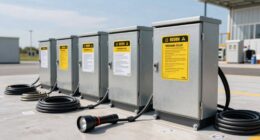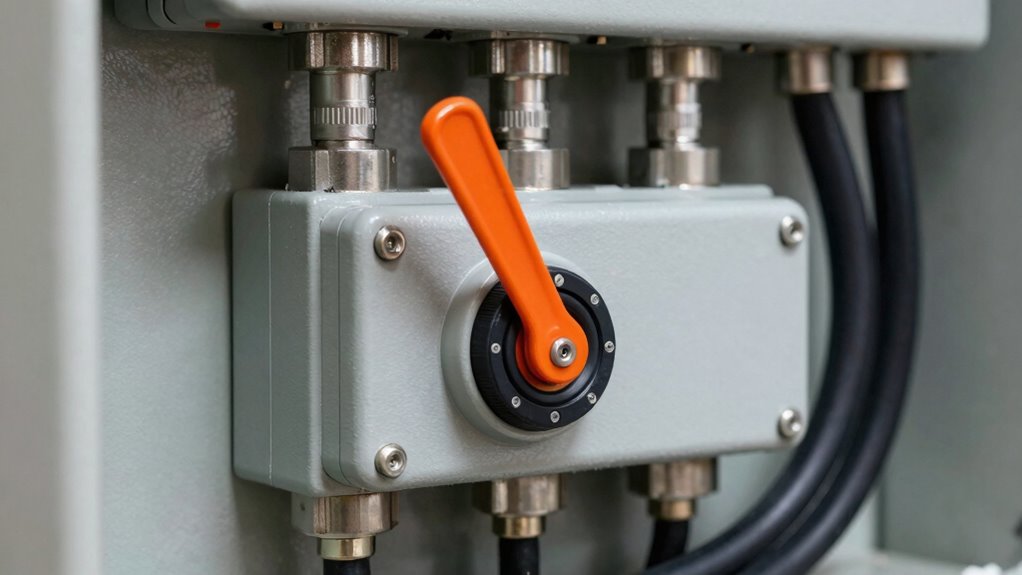

The Disconnect Switch Rule helps protect you during repairs by ensuring the power source is completely shut off before you start work. You must locate the correct disconnect switch, confirm it’s in the off position, and use testing tools to verify no voltage is present. Proper labeling and accessibility are key to avoid accidental energization. Following this safety protocol reduces the risk of electrical shock and arc flash injuries. Keep exploring to learn more about how strict adherence can keep you safe on the job.

Get pool and patio gear delivered free — and shop member deals
- Fast, free delivery on millions of items
- Access to Prime Big Deal Days deals on October 6–7
- Prime Video, Amazon Music and more included
Key Takeaways
- Ensuring the disconnect switch is properly labeled and accessible prevents accidental energization during repairs.
- Verifying the switch is in the off position and testing for voltage confirms de-energization before work begins.
- Following standardized procedures minimizes risks of electrical shock and arc flash injuries during maintenance.
- Using proper testing equipment aligns with regulations and enhances the safety of service technicians.
- Incorporating the disconnect switch rule into daily routines reinforces a culture of electrical safety.
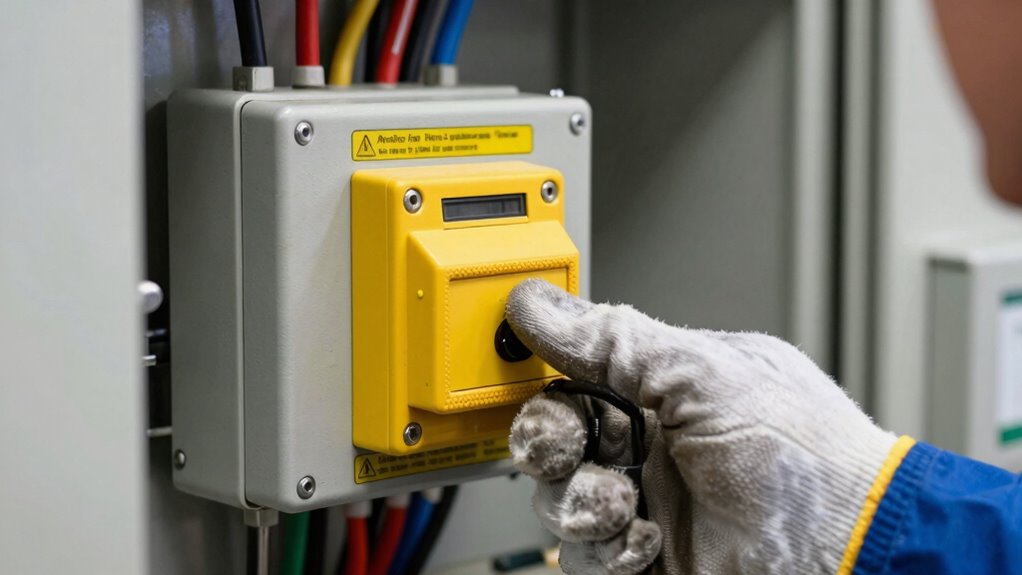
When working on electrical systems, safety is paramount, and new regulations are helping protect service technicians. One of the most important safety measures is the implementation of the disconnect switch rule. This rule mandates that before performing maintenance procedures, you must disconnect power using a designated disconnect switch. Doing so significantly reduces the risk of electrical shock or arc flash injuries, making your work safer and more predictable. The disconnect switch acts as a clear, easily accessible point to cut off power, ensuring you’re not working live on energized equipment.
Understanding and adhering to electrical safety protocols begins with recognizing the importance of proper maintenance procedures. The disconnect switch rule emphasizes that every service technician should verify that the power is completely shut off before starting any repairs or inspections. This involves not just flipping the switch but also confirming that the disconnect is properly labeled and accessible. When you follow this step diligently, you minimize the chances of accidental energization, which can lead to severe injuries or even fatalities. Incorporating proper safety procedures into your routine helps reinforce a culture of safety and awareness. Additionally, following these regulations supports a standardized safety protocol that benefits all team members and enhances overall safety. Recognizing the significance of electrical safety standards helps ensure a consistent approach across different work sites.
Verify power is off, confirm disconnect is labeled and accessible to ensure safety before maintenance.
It’s crucial to incorporate these safety measures into your routine, especially during routine maintenance or troubleshooting. Before touching any wires or components, you should always locate the correct disconnect switch, ensure it’s in the off position, and verify that the electrical system has been de-energized. Many regulations now require you to use testing equipment to confirm the absence of voltage. This extra step might seem minor, but it’s vital in preventing potentially deadly incidents. Remember, electrical safety isn’t just about following rules; it’s about protecting yourself from unpredictable hazards. Recognizing the importance of standardized safety protocols helps promote consistency and safety across all work environments.
electrical disconnect switch tester
As an affiliate, we earn on qualifying purchases.
As an affiliate, we earn on qualifying purchases.
Frequently Asked Questions
Are There Specific Industries Where This Rule Is Mandatory?
Yes, the disconnect switch rule is mandatory in industries like electrical, manufacturing, and construction, where safety protocols emphasize worker protection during repairs. Industry standards require disconnect switches to guarantee equipment is de-energized before service, reducing electrical hazards. As a service tech, you must follow these protocols to prevent accidents, ensuring your safety and compliance with regulations. Always verify that proper disconnect switches are used and properly maintained in these high-risk industries.
How Often Should Service Techs Receive Training on This Rule?
You should receive training on this rule at least once a year, like a safety net catching you before mistakes happen. Regular training keeps your knowledge sharp, especially when new equipment or procedures come up. Incorporate refresher courses into your routine, so safety practices stay fresh, and you’re always prepared. Think of it as sharpening your tools — the more you refine your skills, the safer and more confident you become during repairs.
What Are the Consequences of Non-Compliance With the Disconnect Switch Rule?
If you ignore disconnection safety protocols, you risk severe compliance penalties, including hefty fines and worksite shutdowns. Non-compliance can also lead to safety hazards, increasing the chance of electric shocks or injuries during repairs. Ensuring adherence to the disconnect switch rule not only safeguards service techs but also keeps your operation legally compliant. Prioritize regular training and strict enforcement to avoid these dangerous and costly consequences.
Can the Disconnect Switch Be Located Outside the Equipment?
Yes, you can locate the disconnect switch outside the equipment, but you must consider proper equipment placement and safety considerations. Placing the switch externally makes it easier for service technicians to disconnect power quickly and safely during maintenance. However, verify it’s accessible, clearly labeled, and protected from environmental hazards to maintain safety standards. Always follow local codes and manufacturer instructions to ensure compliance and protection for everyone involved.
Does This Rule Cover Temporary or Portable Disconnect Switches?
While permanent disconnect switches are well-covered, portable disconnects and temporary switches aren’t explicitly included under this rule. You might think they’re protected, but regulations typically don’t extend the same safety requirements to these temporary or portable devices. It’s essential to treat portable disconnects with caution, ensuring they’re properly rated and installed, because the safety protections that apply to permanent switches don’t automatically cover these temporary or portable options during repairs.
voltage tester for electrical panels
As an affiliate, we earn on qualifying purchases.
As an affiliate, we earn on qualifying purchases.
Conclusion
Think of the disconnect switch rule like a safety net beneath a tightrope walker. Without it, one misstep during repairs can lead to a dangerous fall. By following this rule, you’re not just ticking a box—you’re ensuring that service techs can work confidently, knowing they’re protected. Just like a safety net catches a fall, this regulation catches potential accidents before they happen, keeping everyone safer and the job running smoothly.
As an affiliate, we earn on qualifying purchases.
As an affiliate, we earn on qualifying purchases.
Fall Picks
fall essentials
As an affiliate, we earn on qualifying purchases.