To keep your pool safe and well-maintained, you should check that barriers, gates, and fencing are secure and self-closing, ensuring children and pets are protected. Inspect equipment like pumps and filters for proper operation and cleanliness, and confirm electrical wiring is grounded and protected with GFCI outlets. Regularly examine the pool structure for cracks or damage, and follow maintenance guidelines to prevent costly issues. Continue exploring to discover more essential tips for maintaining a safe and durable pool.

Get pool and patio gear delivered free — and shop member deals
- Fast, free delivery on millions of items
- Access to Prime Big Deal Days deals on October 6–7
- Prime Video, Amazon Music and more included
Key Takeaways
- Regularly verify barrier and gate safety features to prevent unauthorized access and accidental falls.
- Conduct routine inspections of pool equipment for leaks, noise, and proper operation.
- Ensure electrical wiring is properly grounded, protected, and equipped with GFCI outlets.
- Inspect the structural integrity of the pool shell, coping, and deck for cracks or damage.
- Follow maintenance guidelines to identify issues early and maintain overall pool safety.
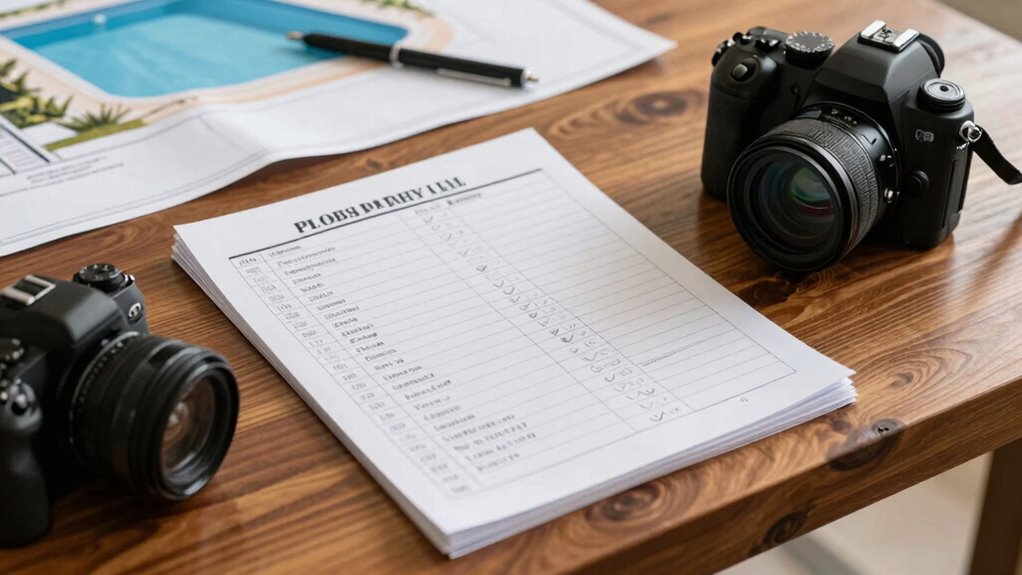
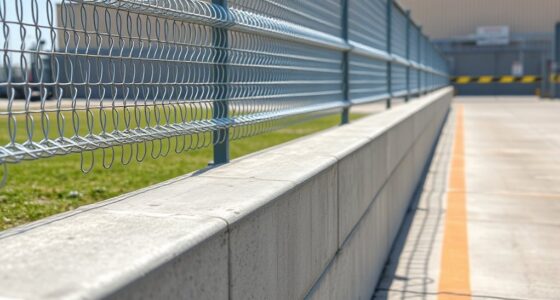
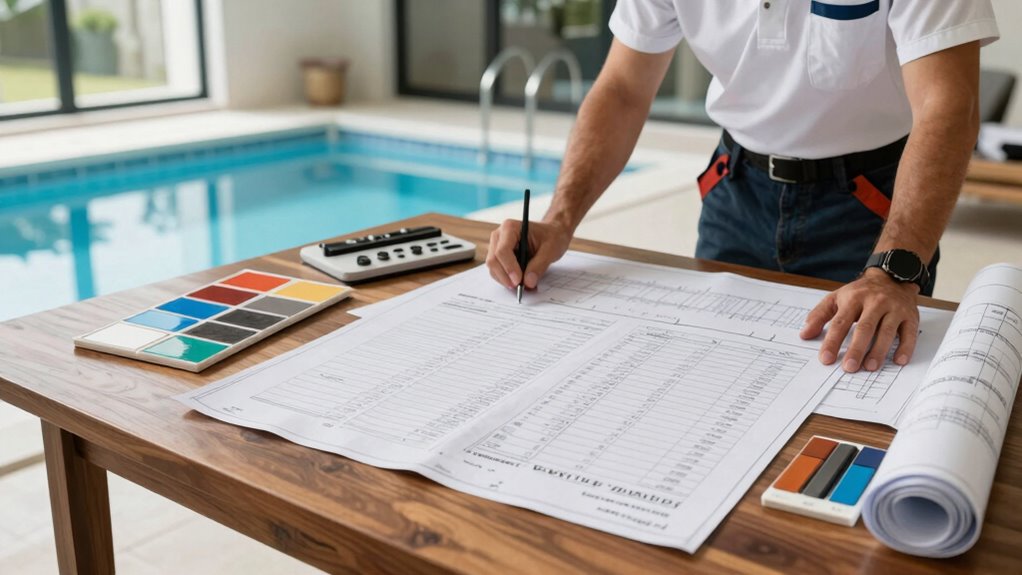
Are you confident that your pool builder is meeting all necessary standards? It’s easy to assume that once the work is done, everything is up to code and safe, but a thorough inspection checklist can help you verify that your new pool is both functional and secure. One of the most critical aspects to focus on is pool safety. You want to confirm that barriers, gates, and fencing are correctly installed and sturdy enough to prevent accidental falls or unauthorized access. Check that all gates self-close and latch properly, with no gaps or weaknesses that could pose a risk. Proper pool safety measures aren’t just about compliance—they’re about protecting everyone who uses the pool, especially children and pets.
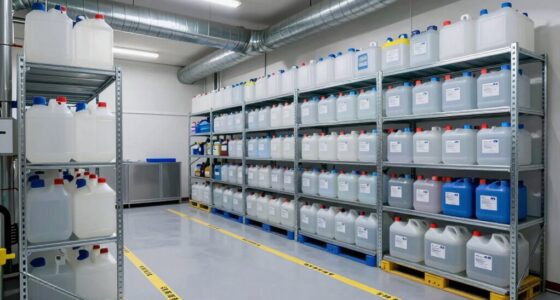
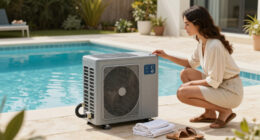
Another essential element to review is equipment maintenance. Your pool builder should have installed reliable, well-maintained equipment such as pumps, filters, and chlorinators. It’s worth inspecting these components to verify that they are functioning correctly. For example, the pump should operate smoothly without unusual noises or leaks, and the filter should be clean and free of debris. Proper equipment maintenance ensures your pool stays clean, chemically balanced, and safe for swimming. Neglecting these details can lead to costly repairs down the line and compromise the safety and quality of your pool environment. Additionally, understanding the importance of electrical safety can help prevent accidents or hazards associated with water and electricity. Regular inspections of the electrical system can prevent many common issues related to faulty wiring or improper grounding. Remember that waterproofing of electrical fixtures is crucial for safety and compliance. Regular electrical inspections are also vital to ensure ongoing safety and to catch potential issues early.
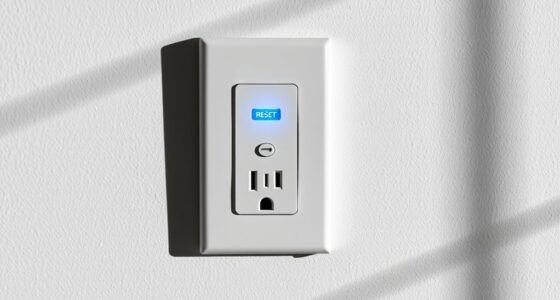
As you go through the inspection checklist, don’t overlook the importance of checking the electrical systems. All wiring should be properly grounded and protected from water exposure, with GFCI outlets in place for added safety. These electrical considerations are crucial because faulty wiring can cause dangerous shocks or fires. Confirm that all lighting fixtures are waterproof and securely installed, and ensure that safety signage or warnings are visible where needed. These small details can make a significant difference in maintaining a safe swimming environment. Additionally, inspecting the structural elements such as the pool shell, coping, and deck ensures that there are no hidden issues that could lead to safety hazards or costly repairs later. Regular structural inspections are essential to identify potential problems early and maintain the integrity of your pool.
Additionally, look over the pool’s structural elements, such as the pool shell, coping, and deck. These should be free of cracks, chips, or uneven surfaces that could cause injury or further damage. Well-maintained structural components contribute to the longevity of your pool and its safety. If your builder has provided maintenance guidelines, review those carefully to stay ahead of potential issues. Regular upkeep and inspections will save you money and ensure your pool remains a safe, enjoyable space for years to come. Taking the time to perform this detailed review can give you peace of mind, knowing that your investment is both safe and well-maintained. Paying attention to maintenance routines can help you catch potential problems early before they become costly repairs.
pool safety barrier gate self-closing latch
As an affiliate, we earn on qualifying purchases.
As an affiliate, we earn on qualifying purchases.
Frequently Asked Questions
How Often Should I Inspect My Pool During Construction?
You should inspect your pool daily during construction to catch issues early and guarantee quality work. Focus on pool maintenance aspects like water levels and debris, and check that equipment upgrades are functioning properly. Regular inspections help prevent costly repairs later and keep the project on track. Communicate with your builder if you notice anything unusual, and document inspections to stay organized throughout the process.
What Safety Features Should Be Included in the Pool Inspection?
A stitch in time saves nine, so prioritize safety features during your pool inspection. You should include safety barriers, such as fencing with self-closing gates, to prevent unsupervised access. Make sure anti-entrapment devices are installed on drains, and check that alarms are operational. Adhering to inspection standards guarantees pool safety, reduces accidents, and provides peace of mind. Always verify that safety features meet local regulations and industry best practices to keep everyone secure.
Who Is Responsible for Fixing Issues Found During Inspection?
You’re responsible for fixing issues found during inspection, especially since maintaining safety protocols is vital. It’s your job to address any safety concerns or maintenance problems identified, guaranteeing your pool remains safe and functional. Regular pool maintenance helps prevent future issues and keeps safety features in check. If you’re unsure how to fix certain problems, consult professionals to make sure everything meets safety standards and your pool stays a safe, enjoyable environment.
Can I Inspect the Pool Myself or Hire a Third-Party Inspector?
You can inspect the pool yourself or hire a third-party inspector, depending on your expertise. Doing your own inspection helps you understand pool maintenance and spot issues early. However, hiring a professional guarantees a thorough review of equipment upgrades and overall condition. Professionals bring experience and may catch problems you overlook, giving you peace of mind about your pool’s safety and longevity.
What Are Common Problems Uncovered in Pool Inspections?
Common problems in pool inspections include murky pool water, indicating poor filtration, and malfunctioning filtration systems that can turn your backyard oasis into a swamp. You might also discover leaks, cracked tiles, or rusted equipment that threaten your swimming dreams. Don’t ignore these issues, or you’ll spend more time fixing than enjoying. A thorough inspection helps catch these problems early, saving you money and that perfect splashy summer vibe.
pool pump and filter maintenance kit
As an affiliate, we earn on qualifying purchases.
As an affiliate, we earn on qualifying purchases.
Conclusion
By keeping this inspection checklist handy, you’re equipping yourself with a map through the maze of pool building. Think of it as your safety net, catching potential issues before they become costly problems. When you stay proactive and informed, you turn the overwhelming task of pool ownership into a smooth sail on a calm, clear lake. Remember, a well-maintained pool is your personal oasis—beautiful, inviting, and worry-free.
As an affiliate, we earn on qualifying purchases.
waterproof pool lighting fixtures
As an affiliate, we earn on qualifying purchases.
As an affiliate, we earn on qualifying purchases.
Fall Picks
fall essentials
As an affiliate, we earn on qualifying purchases.