
Adhering to lighting codes for underwater fixtures, niches, and low voltage systems is vital for your project’s safety, durability, and efficiency. You need fixtures rated for wet environments, proper wiring, and safety devices like GFCIs to prevent shocks. Niches must allow good ventilation and access for maintenance, while low voltage systems require careful transformer selection and installation. Following these standards helps you avoid hazards and guarantee long-lasting performance—if you’re curious, there’s more to discover.

Get pool and patio gear delivered free — and shop member deals
- Fast, free delivery on millions of items
- Access to Prime Big Deal Days deals on October 6–7
- Prime Video, Amazon Music and more included
Key Takeaways
- Underwater fixtures must be rated for wet or submersible environments and include appropriate IP ratings to prevent water ingress.
- Niches require adequate ventilation, safe wiring protection, and ratings suitable for their specific environment (dry, damp, or wet).
- Low voltage systems operate at 30-50 volts and must use approved transformers, wiring, and protective devices for safety and efficiency.
- GFCIs are mandatory for underwater fixtures to prevent electrical shocks in wet environments.
- Proper installation, maintenance, and compliance with safety standards ensure durability, performance, and hazard prevention in all lighting setups.
Have you ever wondered how building safety and energy efficiency are guaranteed through lighting? It’s a question that might not cross your mind often, but the answer lies in strict lighting codes. These regulations set the standards for how lighting fixtures are designed, installed, and maintained, especially when it comes to specialized areas like underwater fixtures, niches, and low voltage systems. By complying with these codes, you ensure safety, durability, and energy efficiency in your space.
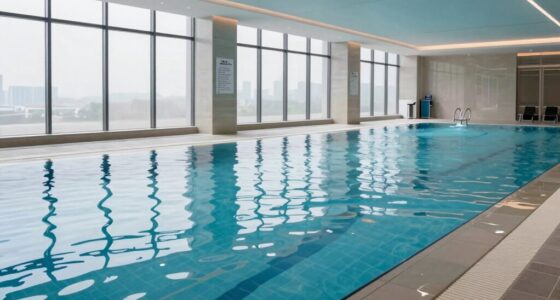
When dealing with underwater lighting, such as in pools, fountains, or aquariums, the codes become especially critical. Water and electricity are a dangerous combination if not handled properly, so lighting fixtures must meet specific standards. These fixtures are typically required to be rated for wet or submersible environments, often designated as IP (Ingress Protection) rated. The codes specify the minimum safety standards, like using ground-fault circuit interrupters (GFCIs), to prevent electrical shocks. They also mandate the use of corrosion-resistant materials to withstand constant exposure to water and chemicals. These measures aren’t just about safety—they also contribute to the longevity and reliability of your underwater lighting system.
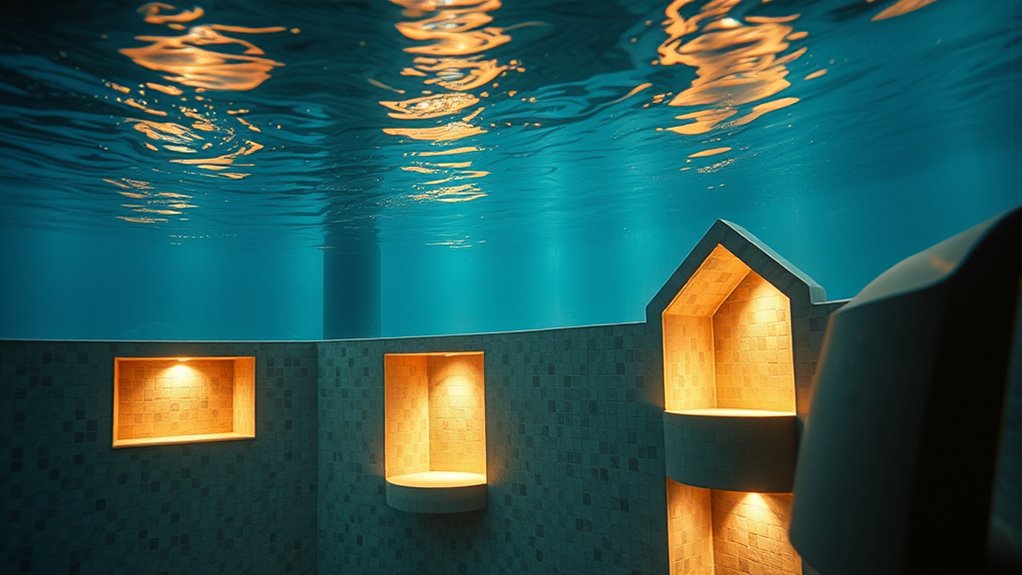
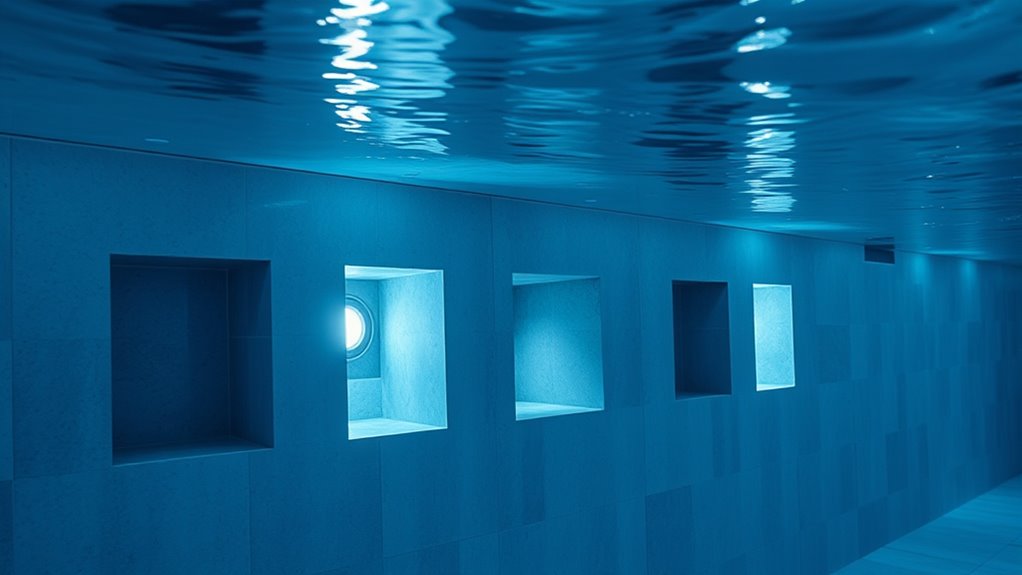
Niches, small recessed spaces built into walls or ceilings, pose unique challenges for lighting. They’re often used for accent lighting or to highlight architectural features. Building codes specify how these fixtures should be installed to avoid overheating and ensure safe access for maintenance. For example, the space must allow enough clearance for ventilation, and the wiring must be protected from damage. Additionally, the fixtures themselves need to be rated for the specific environment—whether dry, damp, or wet—to prevent electrical hazards. Properly following these codes helps you avoid issues like short circuits or fires, while also ensuring the fixtures last longer and perform as intended.
Building codes ensure safe, durable niche lighting with proper installation, ventilation, and environmental ratings.
Low voltage lighting systems are increasingly popular for their energy efficiency and flexibility. However, they come with their own set of code requirements. Since low voltage systems typically operate at 30 to 50 volts, they’re considered safer but still need careful installation. The codes specify the types of transformers you can use, the wiring methods, and the protection devices needed to prevent overloads. They also dictate how the wiring should be routed and protected from physical damage, especially in areas where people might come into contact with the fixtures. Adhering to these standards guarantees not only safety but also maximum energy use, reducing your long-term costs.
In essence, lighting codes serve as the blueprint for safe, efficient, and durable lighting installations. Whether it’s underwater fixtures, niches, or low voltage systems, following these regulations ensures your project meets safety standards while maximizing performance and energy savings. Ensuring compliance with lighting codes is essential for the longevity and safety of your lighting setup.
IP rated underwater LED pool lights
As an affiliate, we earn on qualifying purchases.
As an affiliate, we earn on qualifying purchases.
Frequently Asked Questions
What Are the Best Waterproof Materials for Underwater Fixtures?
You should choose waterproof materials like stainless steel, especially marine-grade, because it resists corrosion and is durable underwater. Additionally, tempered glass or high-quality polycarbonate are excellent for fixtures’ enclosures, offering clarity and impact resistance. These materials form a reliable barrier against water ingress, ensuring safety and longevity. Always verify that the materials meet industry standards and are rated for underwater use to prevent leaks and damage over time.
How Do Niches Affect Overall Lighting Efficiency?
Think of niches like hidden alcoves in a castle—they can focus or block light. Niches can improve lighting efficiency by directing light precisely where you want it, reducing wastage. However, if poorly designed, they cast shadows or create uneven illumination. Properly integrated, niches enhance ambiance and save energy, much like a well-placed spotlight highlighting a masterpiece, ensuring your underwater space is both brilliantly lit and efficiently illuminated.
Are Low Voltage Lighting Systems More Energy-Efficient?
Yes, low voltage lighting systems are generally more energy-efficient because they use less power to produce the same amount of light as higher voltage systems. You’ll notice lower electricity bills and reduced energy consumption when you opt for low voltage options. Plus, they offer better control and safer installation, making them ideal for outdoor and aquatic lighting applications. Keep in mind, however, that efficiency can also depend on the quality of the fixtures you choose.
What Safety Precautions Are Necessary for Underwater Lighting Installation?
You should always turn off power before installing underwater lighting to prevent shocks. Use GFCI outlets to protect against electrical faults and guarantee all fixtures are rated for underwater use. Keep wiring dry and secure, avoiding damage. Follow manufacturer instructions and local codes closely. Regularly inspect fixtures and wiring for corrosion or wear, and never attempt repairs while the system is energized. Safety first keeps your installation secure and functional.
How Do Local Building Codes Vary for Underwater Lighting?
You’ll find local building codes for underwater lighting vary widely, often contrasting strict safety rules with more relaxed standards. Some areas require specific waterproof ratings, approved fixtures, and specialized wiring methods, while others leave these choices more flexible. You need to check your local regulations first, as they dictate installation procedures, safety measures, and inspection requirements, ensuring your underwater lighting is both compliant and safe.
GFCI protected underwater lighting fixtures
As an affiliate, we earn on qualifying purchases.
As an affiliate, we earn on qualifying purchases.
Conclusion
So, next time you’re tempted to skip those underwater fixture codes or go low voltage reckless, remember—lighting codes are your best friends. Without them, your pool might just turn into an unintended underwater disco, or worse, a safety hazard. Follow the rules, play it safe, and keep your aquatic lighting both brilliant and compliant. After all, who wants a soggy citation or a flickering nightmare? Light up smartly—your pool (and reputation) will thank you.
low voltage landscape lighting transformer
As an affiliate, we earn on qualifying purchases.
As an affiliate, we earn on qualifying purchases.
recessed niche lighting fixtures
As an affiliate, we earn on qualifying purchases.
As an affiliate, we earn on qualifying purchases.
Evergreen bestsellers Picks
bestsellers
As an affiliate, we earn on qualifying purchases.