You’ll notice that fiberglass, vinyl, and concrete age quite differently over time. Fiberglass develops surface cracks, fades from sun exposure, and becomes dull, especially with temperature swings. Vinyl tends to warp, crack, and lose color when exposed to UV rays and cold temperatures. Concrete mainly cracks due to shrinkage or environmental stress, but its color stays more stable. Each material benefits from specific maintenance to extend its lifespan—continue to discover how to keep yours in top shape.

Get pool and patio gear delivered free with Prime
- Fast, free delivery on millions of items
- Prime Video, Amazon Music and more included
- Member-only deals all year
Key Takeaways
- Fiberglass develops surface cracking, fading, and dullness primarily due to environmental exposure and impact damage.
- Vinyl becomes brittle, warps, and cracks over time, especially from UV exposure and temperature fluctuations.
- Concrete experiences surface cracking from shrinkage and movement, with its structural integrity affected more than surface aesthetics.
- Environmental factors like sun, weathering, and chemicals accelerate deterioration of fiberglass and vinyl differently.
- Proper maintenance and protective measures are crucial to extending the lifespan of all three materials.
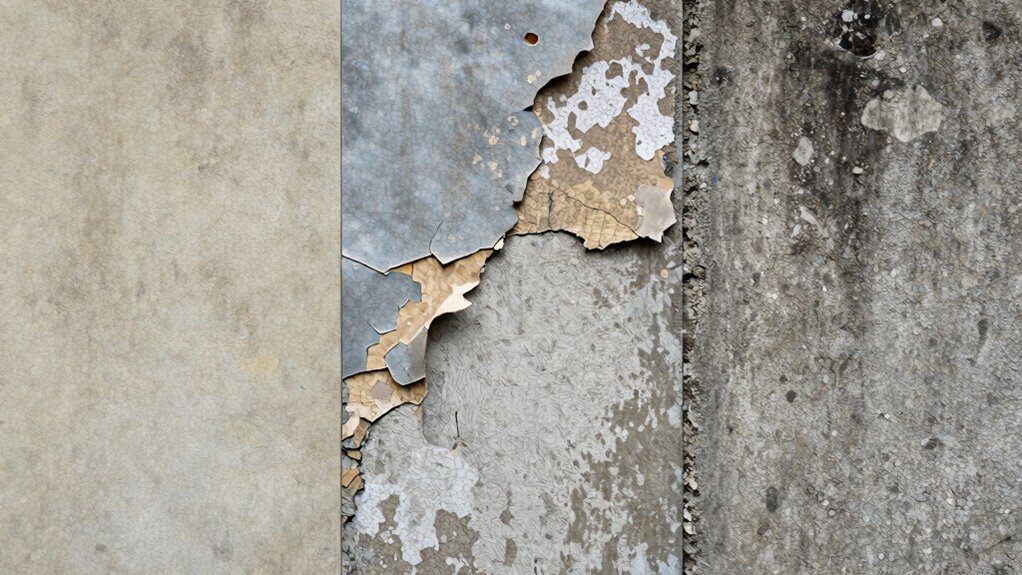
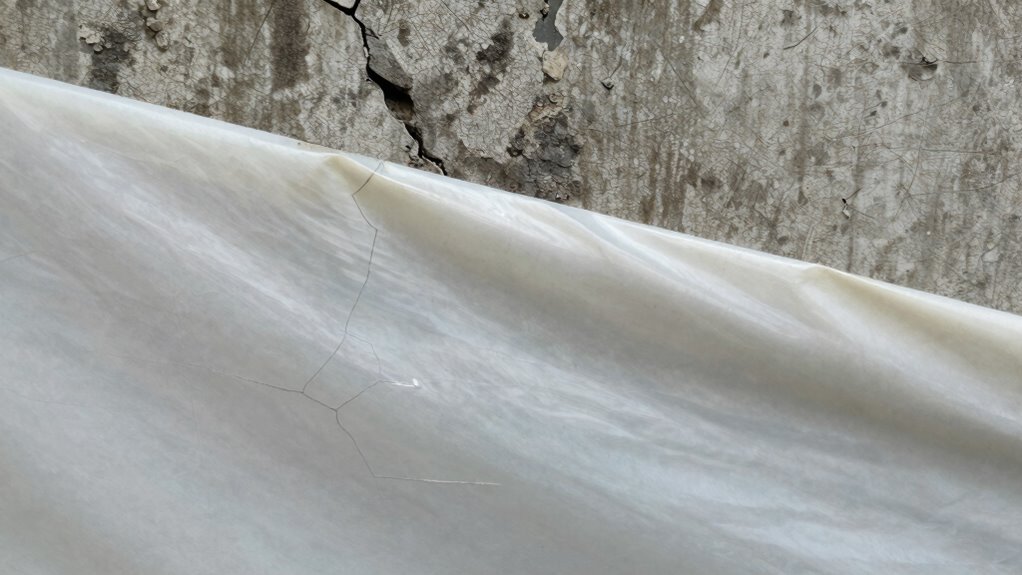
Over time, fiberglass, vinyl, and concrete each show distinct signs of aging that can affect their appearance and durability. When you look at these materials, you’ll notice that surface cracking and color fading are common issues, but how they develop and what they signify vary greatly depending on the material. Fiberglass tends to develop surface cracking as it ages, especially if it’s exposed to extreme temperature changes or heavy impacts. These cracks might start as tiny fissures but can expand over time, making the surface look worn and less smooth. Color fading in fiberglass is also noticeable; the vibrant hues you once saw will gradually dull due to prolonged sun exposure and weathering. You might find that the surface loses its luster, giving it an aged, faded appearance. The aging process of fiberglass can be accelerated by environmental factors, so regular inspections are essential to maintain its condition. Environmental exposure plays a significant role in how quickly fiberglass deteriorates, emphasizing the need for protective measures.
Fiberglass shows surface cracking and fading, especially with weather exposure and impacts over time.
Vinyl, on the other hand, is more prone to warping and brittleness over time, though surface cracking can still occur, especially in colder climates where the material contracts and becomes brittle. The cracks in vinyl are often less uniform but can become more visible as the material weakens. Color fading in vinyl is a common concern, particularly if it’s exposed to direct sunlight for extended periods. The colors tend to wash out, turning dull and uneven, which diminishes the overall aesthetic. Vinyl’s flexibility can help it resist some cracking initially, but as it ages and loses elasticity, cracking and other surface damage become more prevalent. Additionally, UV exposure can significantly accelerate the degradation process, making protective measures important for longevity. Proper maintenance and the use of UV protectants can help prolong the lifespan of vinyl surfaces. Regular upkeep can also mitigate issues like warping and brittleness, ensuring the material remains functional longer.
Concrete ages quite differently. Instead of cracking in the same way as fiberglass or vinyl, concrete often develops surface cracking due to shrinkage, structural movement, or environmental stress. These cracks can be hairline or wider, depending on the severity of the stress. Unlike the fading seen in fiberglass and vinyl, concrete usually retains its color longer but may develop staining or discoloration from water infiltration or chemical exposure. Over time, concrete might also develop a rougher surface texture, especially if exposed to freeze-thaw cycles or erosion. Unlike the other two materials, concrete’s aging process is often less about fading and more about structural integrity, which can be compromised if cracks are left unaddressed. Proper maintenance and timely repairs can significantly extend the lifespan of concrete structures, especially when considering the structural integrity of the material. Regular sealing and crack repair can prevent water damage and further deterioration, ensuring longer-lasting durability. Properly managing moisture and environmental factors is crucial for maintaining concrete’s overall strength and appearance over time.
fiberglass surface crack repair kit
As an affiliate, we earn on qualifying purchases.
As an affiliate, we earn on qualifying purchases.
Frequently Asked Questions
How Long Does Each Material Typically Last Before Significant Aging Occurs?
Fiberglass typically lasts around 10-15 years before significant aging affects its material durability and causes aesthetic changes. Vinyl can endure 20-30 years, maintaining its appearance and function longer. Concrete, however, often lasts 50-100 years, with gradual wear and aesthetic shifts like cracking or staining. Your choice depends on how long you want the material to maintain its durability and visual appeal over time.
Can Aging Be Reversed or Repaired for Fiberglass, Vinyl, or Concrete?
Aging in fiberglass, vinyl, and concrete can often be repaired through surface restoration, which improves appearance and extends lifespan. For fiberglass and vinyl, you can use specialized cleaners, sealants, or refinishing kits. Concrete repairs involve patching, sealing, or applying protective coatings to restore surface integrity. While some damage can be reversed or minimized, significant aging may compromise structural integrity, making professional evaluations necessary for long-term preservation.
Do Environmental Factors Affect Each Material’s Aging Process Differently?
Environmental factors considerably influence each material’s aging process. For example, vinyl can degrade by up to 20% faster in direct sunlight, illustrating how environmental exposure impacts its durability. This is because material composition determines how well each withstands elements like UV rays, moisture, or temperature fluctuations. Fiberglass, with its resin matrix, resists weathering but can become brittle over time, while concrete’s porosity makes it prone to cracking from freeze-thaw cycles.
Which Material Shows the Best Resistance to UV Damage Over Time?
Vinyl shows the best resistance to UV damage over time because of its superior UV stability. You’ll notice less material degradation compared to fiberglass and concrete, which tend to degrade faster under prolonged sun exposure. Vinyl’s ability to withstand UV rays helps it maintain its appearance and structural integrity longer, making it a smart choice if you’re looking for a material with minimal UV-related deterioration.
How Does Aging Impact the Maintenance Needs of Each Material?
Aging increases the maintenance needs of fiberglass, vinyl, and concrete by causing surface deterioration and color fading. You’ll notice fiberglass developing cracks, vinyl showing signs of brittleness, and concrete developing chips or stains. To keep them in good shape, you’ll need regular inspections, cleaning, and repairs. Vinyl might require repainting or sealing, while fiberglass and concrete benefit from protective coatings. Staying proactive helps extend their lifespan and appearance.
As an affiliate, we earn on qualifying purchases.
Conclusion
As you observe these materials aging—fiberglass cracking, vinyl fading, concrete chipping—you realize it’s not just about deterioration. It’s a reminder that everything in life changes with time, often in unexpected ways. Sometimes, what seems fragile or worn can reveal strength or beauty you hadn’t noticed before. So, as you see these materials transform, consider how your own journey reflects this natural process—embracing change as an inevitable and meaningful part of growth.
concrete crack filler for outdoor use
As an affiliate, we earn on qualifying purchases.
As an affiliate, we earn on qualifying purchases.
weatherproofing products for concrete and vinyl
As an affiliate, we earn on qualifying purchases.
As an affiliate, we earn on qualifying purchases.
Fall Picks
fall essentials
As an affiliate, we earn on qualifying purchases.