TL;DR

Get pool and patio gear delivered free with Prime
- Fast, free delivery on millions of items
- Prime Video, Amazon Music and more included
- Member-only deals all year
A Grow Organic report describes seven groups of garden pollinators and practical ways to attract them, including planting a varied range of flowers and providing suitable nesting areas. The guide stresses that pollination differs by crop and species; it does not establish that every garden needs a beehive or that all crops depend on insects.
Grow Organic’s garden guide outlines seven groups of pollinators and ways gardeners can make yards more welcoming to them, from planting a range of flowering species to preserving nesting habitat. The report says wild bees, flies, butterflies and other visiting insects can pollinate suitable crops, while stressing that plants differ in how much they rely on insect pollination.
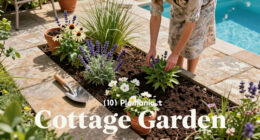
The seven groups covered are honeybees, bumblebees, native and other solitary bees, butterflies, moths, beneficial flies and other flower-visiting insects. The guide recommends planting flowers that provide nectar or pollen across different seasons and choosing plants suited to local conditions. Examples include vetch, buckwheat, clover, sunflowers and wildflower mixes for bees, and zinnias, coneflowers and daisies for butterflies.
Some pollinators have particular roles. Bumblebees can buzz-pollinate, vibrating flowers to release pollen, which can benefit crops such as tomatoes and eggplants. Honeybees cannot perform this behavior, but the report notes tomatoes can self-pollinate and may produce fruit without bumblebee visits. The guide also describes hoverflies: adults feed on nectar and pollen, while larvae of many species prey on aphids and other small pests.
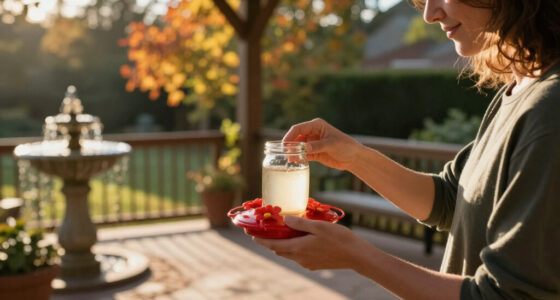
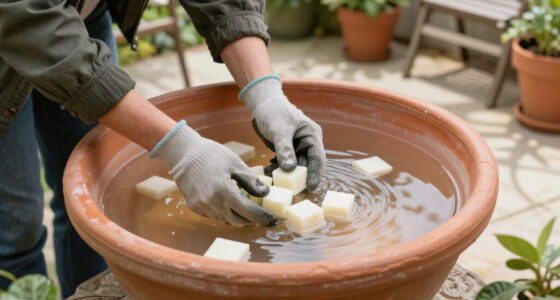
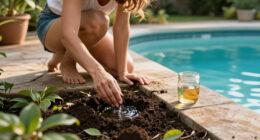
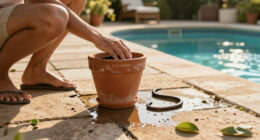
Attracting pollinators involves habitat as well as flowers. The report recommends suitable nesting areas for local bees: some use bare, well-drained soil, while others nest in cavities in wood or hollow stems. It says shallow water dishes can serve as a drinking source for honeybees, with stones or another perch placed in the dish. Water should be set up carefully, particularly where children may be present: supervise children around it and take steps to prevent drowning.
Garden Choices Shape Pollinator Support
The guide’s practical point is that pollinator support does not require keeping a hive. A garden with varied flowers and appropriate nesting habitat may support visiting wild bees and other insects. That matters to gardeners growing crops that benefit from pollination, though the report does not claim that every crop needs insect visitors or that these suggestions guarantee a harvest.
Its examples also show why relying on a single pollinator can be misleading. Pollination roles vary by species and crop: bumblebees can vibrate pollen loose from some flowers, while flies and butterflies also visit flowers and may transfer pollen. The report’s recommendations are general guidance, not a measurement of the results a particular garden will achieve.
wildflower seed mix for pollinators
As an affiliate, we earn on qualifying purchases.
As an affiliate, we earn on qualifying purchases.
Pollination Depends on Crop and Species
The source report begins from a qualification important to interpreting its advice: some fruits and vegetables benefit from pollinators, but pollination requirements vary. Some crops can produce fruit without insect pollination. Tomatoes, for example, can self-pollinate, even though bumblebee buzz pollination can help release pollen from their flowers.
The guide also cautions against treating all bees alike. Many native bees are important pollinators, and some specialize in particular plants, while others visit a wider range. Nesting behavior varies too. The report’s broad recommendation is to plant a diverse, locally suitable selection rather than assume every pollinator uses the same flowers or nesting site.
“You don’t need to keep a beehive to support pollination in your garden.”
— Grow Organic report
As an affiliate, we earn on qualifying purchases.
Local Results Will Vary
The supplied report does not provide a publication date, research methods, or measured results showing how much particular planting choices increase pollination. It also does not specify which species will visit a given garden. Local climate, plant choice and available habitat affect which pollinators are present, and the relative contribution of different insects can vary by crop and location.
The guide’s suggestions should not be read as a guarantee of fruit production or pest control. It says larvae of many hoverfly species eat aphids and other small pests, but that role varies by species. Its advice about bee nesting structures likewise applies to certain cavity-nesting species, not every native bee.
As an affiliate, we earn on qualifying purchases.
Choose Plants for Local Conditions
Gardeners following the report can start by identifying which crops they grow and selecting a range of flowering plants suited to their region. The guide suggests adding nectar and pollen sources, retaining appropriate nesting areas and providing a safe, shallow water source where needed. For butterflies and moths, it recommends considering both adult food plants and host plants for caterpillars; in North America, milkweed is needed for monarch caterpillar development.
The source sets out no scheduled follow-up or new policy. Practical outcomes will depend on local conditions and the plants and pollinators present, so gardeners should treat the recommendations as habitat guidance rather than a promise of a specific harvest.
flowering plants for butterfly garden
As an affiliate, we earn on qualifying purchases.
As an affiliate, we earn on qualifying purchases.
Key Questions
Do I need a beehive to support pollination?
No. The Grow Organic report says wild bees, flies, butterflies and other visiting insects can help pollinate suitable garden crops without a managed hive.
Which flowers does the guide suggest planting?
Suggestions include vetch, buckwheat, clover, sunflowers and wildflower mixes for bees, and zinnias, coneflowers and daisies for butterflies. The report recommends choosing plants suited to local conditions.
Do tomatoes need bumblebees to produce fruit?
The report says bumblebees can buzz-pollinate tomato flowers, helping release pollen. It also says tomatoes can self-pollinate and may produce fruit without bumblebee visits.
How can a garden provide nesting habitat for bees?
Different bees use different sites. Some nest in bare, well-drained soil; others use cavities in wood or hollow stems. The report notes that bee nesting structures may help certain cavity-nesting species but are not suitable for all native bees.
Do all crops depend on insect pollination?
No. The source says pollination needs vary by plant and some crops produce fruit without insect pollination. Gardeners should consider the needs of their particular crops.
Source: rss
Halloween Picks
halloween
As an affiliate, we earn on qualifying purchases.