TL;DR

Get pool and patio gear delivered free with Prime
- Fast, free delivery on millions of items
- Prime Video, Amazon Music and more included
- Member-only deals all year
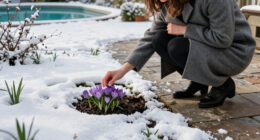
Gardening Know How reports that zip-up horticultural fleece jackets can help protect garden plants from frost, wind and snow. The report says protection depends on the fabric’s weight: heavier covers provide more insulation but admit less sunlight, so the right choice varies by plant and conditions.
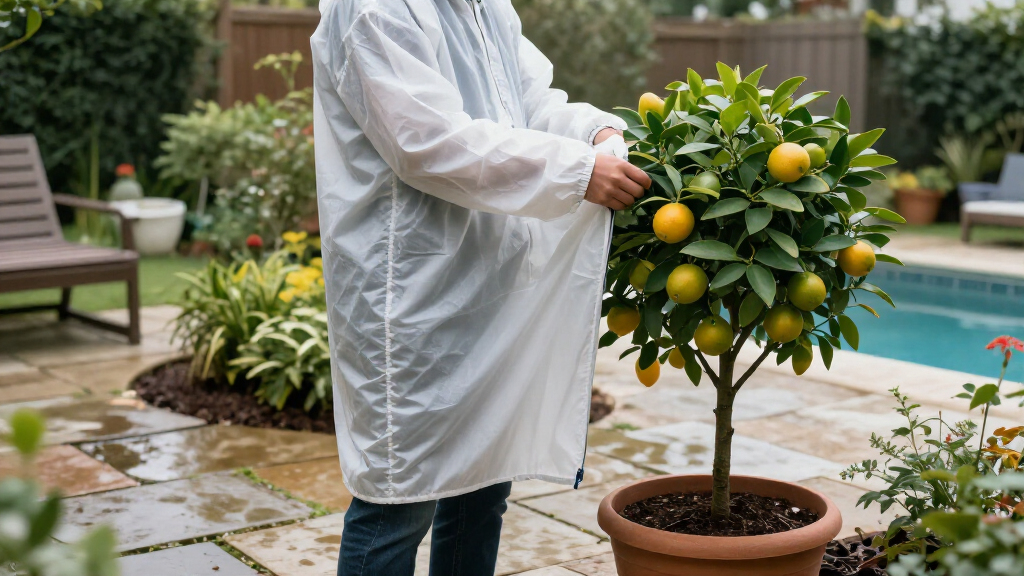
Gardening Know How has published guidance on using zip-up horticultural fleece jackets to protect plants from winter weather, with advice to match a cover’s fabric weight to the plant’s cold tolerance and sunlight needs. The report says jacket designs with zippers and drawstring bases can make covers easier to fit and ventilate, but the protection varies by material and is not a guarantee against severe cold.
The report describes frost jackets as covers made from horticultural fleece, typically a non-woven material made from polypropylene. Manufacturers rate the fabric by weight, commonly in grams per square meter (gsm) or ounces per square yard. According to Gardening Know How, a higher rating generally means more insulation but less sunlight passing through.
The figures in the report are approximate: medium-weight fleece at 30–35 gsm is said to provide around 4°F of protection while allowing about 65% of sunlight through. Heavy-weight fabric at 50–60 gsm is estimated to provide around 7°F of protection and admit about 50% of sunlight. Ultra-heavy fleece at 70–100 gsm is estimated to provide 8–10°F of protection, while allowing about 20–30% of sunlight through.
A lighter 17 gsm fleece is intended for short-term frost protection of late-season vegetables, the report says. It allows about 85% of sunlight through but provides roughly 2°F of thermal protection. The report advises checking product labels or online descriptions for fabric ratings, rather than assuming all plant covers offer the same level of protection.
Matching Covers to Plant Needs
The guidance matters to gardeners because a cover that provides more insulation can also reduce the light available to a plant. Evergreens need light and air, while dormant deciduous plants and some plants protected with additional insulation may be better suited to heavier fleece. Choosing a cover is therefore a balance between cold exposure and the plant’s winter needs, not simply a matter of buying the thickest material.
Frost jackets may also be useful for protecting vulnerable growth or structures: the report says they can shelter early-flowering shrubs’ buds, young fruit-tree bark and plants exposed to snow, sleet or strong winds. Those potential benefits depend on local weather, plant type and how the cover is used. The source does not present the temperature estimates as a guarantee for every garden.
Products Worth Considering

Dyson Airwrap i.d. Multi-Styler for Straight and Wavy Hair

TCL T7 Series 85-Inch 4K 144Hz QLED Smart Google TV

TCL QM64L 85-Inch QD-Mini LED 4K Smart Fire TV
As an affiliate, we earn on qualifying purchases.
Advice by Plant Type
For banana plants and tree ferns in colder regions, Gardening Know How says fleece can be used over layers of straw. The plants are dormant in winter in those areas and do not need sunlight during dormancy, according to the report. It also cautions that fleece alone will not be enough in deep cold; in this use, the cover helps hold insulation in place and shield the plant from wind and rain.
For deciduous shrubs, the report suggests heavy or ultra-heavy covers depending on the level of protection required. A zip and drawstring base can allow gardeners to open the cover on milder days for air circulation. Early-flowering camellias and magnolias may be covered overnight during a late frost to protect developing buds, even though the shrubs themselves are described as hardy enough to survive most winters.
For evergreens, the report recommends medium-weight fleece for general shielding from snow, hail and wind, because these plants still need sunlight and fresh air. More tender plants, including olive and citrus trees and some palms, may need stronger protection in colder conditions. The report suggests using a heavier cover during severe weather or opening a heavier permanent cover to let in sunlight.
“The higher the number, the more insulation it will provide but also block more sunlight.”
— Gardening Know How
Limits of the Protection Estimates
The report does not specify how its temperature-protection estimates were measured or how performance changes with wind, moisture, cover fit, exposure time or individual plant condition. The figures should be treated as approximate guidance attributed to the source, not as a promise that a plant will survive a particular temperature. It is also not clear which specific climate conditions or product tests underpin the estimates.
The source does not identify a single cover suitable for every garden or provide a location-specific winterization plan. Gardeners should consider the plant’s needs and local forecasts; the article’s recommendations are general. Product details, including fabric rating and dimensions, can vary by cover.
Check Ratings Before Covering
The immediate practical step in the report is to check the cover’s stated gsm or ounce rating and compare it with the plant’s cold-protection and sunlight needs. Gardeners can use heavier fleece for dormant plants or as added protection in severe weather, while taking care not to leave light-sensitive evergreens under a cover that blocks too much sunlight for extended periods.
As cold weather approaches, gardeners can watch local forecasts and use covers when frost threatens vulnerable buds or plants. The source offers no announced follow-up, new product launch or scheduled update; its advice is seasonal. How well a jacket works in a particular garden will depend on the weather and the plant, details not resolved by the report’s general estimates.
Key Questions
What does a frost-jacket weight rating mean?
The rating, usually listed in gsm or ounces per square yard, describes the weight of the fleece. Gardening Know How says heavier material generally offers more insulation, while letting in less sunlight.
Which fleece weight is suitable for an evergreen?
The report recommends medium-weight fleece for general winter protection of evergreens, which still need light and fresh air. In colder conditions, gardeners may use a heavier cover temporarily or open it regularly, according to the source.
Can a frost jacket protect a banana plant in deep cold?
Not by itself, according to Gardening Know How. The report says fleece can cover banana plants after insulating straw has been packed around them, but warns that the fleece alone is not enough in the deep chill of colder zones.
Do all frost jackets provide the same protection?
No. The report says protection varies with fabric weight and recommends checking the product’s stated rating. Heavier covers generally offer more insulation but block more sunlight.
Source: gardeningknowhow.com