
Scale and biofilm are two different problems in your water systems. Scale forms as mineral deposits like calcium and magnesium build up, causing blockages and reducing efficiency. Biofilm is a slimy layer of bacteria and organic material that clings to surfaces, leading to contamination and foul odors. They require distinct solutions—chemical descalers for scale and biocides or cleaning for biofilm. Understanding these differences helps you choose the right approach, and if you look closer, you’ll discover more effective strategies.
Key Takeaways
- Scale is an inorganic mineral deposit from calcium and magnesium, while biofilm is a microbial organic layer.
- Scale removal involves chemical descalers and water softening; biofilm requires biocides and mechanical cleaning.
- Scale causes physical blockages and corrosion; biofilm leads to contamination, odors, and microbial growth.
- Proper treatment depends on identifying the issue; using the wrong method can damage equipment or worsen problems.
- Prevention strategies differ: softening and regular cleaning for scale; disinfection and hygiene for biofilm.

Essential Values Distiller Cleaner Descaler – 2 LBS Water Distiller Cleaner – Citric Acid for Cleaning Powder for Distilling Machines, Kettles – Remove Limescale & Mineral Buildup
Citric Acid Powder – Remove stubborn mineral and limescale build up with essential values citric acid powder. Get…
As an affiliate, we earn on qualifying purchases.
As an affiliate, we earn on qualifying purchases.
What Is Scale and How Does It Form?
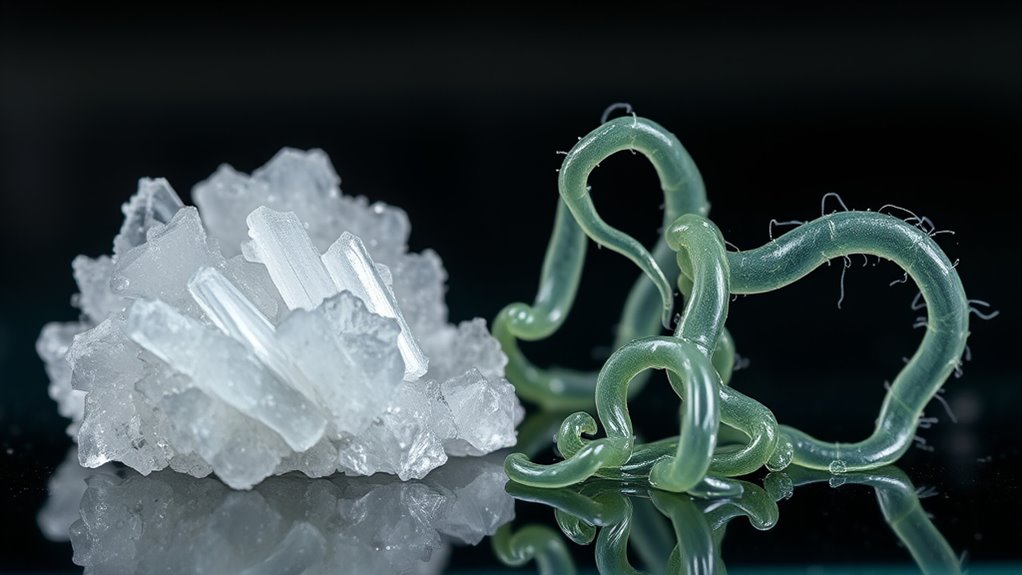
Scale forms when minerals like calcium and magnesium dissolved in water precipitate out and settle on surfaces inside pipes, boilers, and appliances. As water heats or evaporates, these minerals become less soluble and start to solidify. Over time, they build up into thick, hard deposits that cling to surfaces. These deposits can clog pipes, reduce heat transfer efficiency, and cause appliances to work harder. The process is often slow but relentless, especially in areas with hard water. You might notice reduced water flow or increased energy bills. Scale buildup is primarily a physical process driven by changes in temperature and mineral concentration, making it a common issue in plumbing and heating systems. Understanding the effects of mineral deposits can help you better appreciate the importance of water treatment and maintenance. Preventing or removing scale can help extend the lifespan of your appliances and maintain system efficiency.

Use of biocides and surfactants to control biofilms: Role of the hydrodynamic conditions
As an affiliate, we earn on qualifying purchases.
As an affiliate, we earn on qualifying purchases.
Understanding Biofilm and Its Formation Process
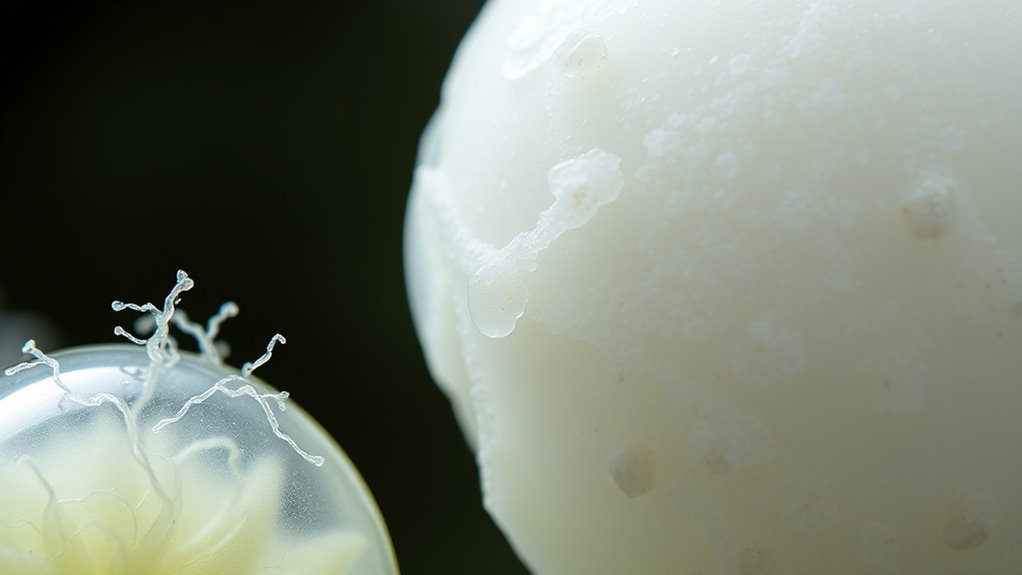
You can observe biofilm formation in many environments, starting with microbes attaching to surfaces. As they grow, these microbes develop through distinct stages, creating a complex, layered structure. The microbial composition constantly changes, influencing how the biofilm functions and resists removal. Some biofilm formations are influenced by environmental factors, which can affect their growth and resilience.
Biofilm Development Stages
Have you ever wondered how biofilms form and develop over time? The process begins when free-floating microbes attach to a surface, often aided by surface properties or nutrients. Next, they produce a slimy matrix that anchors them firmly in place. As the community grows, the biofilm thickens, forming complex structures with channels for nutrient flow. Over time, the biofilm matures, becoming more resistant and stable. Key stages include:
- Initial attachment of microbes to a surface
- Microbial proliferation and matrix production
- Development of complex, three-dimensional structures
- Maturation into a resilient, functional community
Understanding these stages helps you grasp how biofilms evolve from simple microbial gatherings into robust, protective ecosystems. This knowledge is essential in managing biofilm-related issues effectively, especially considering the resistance biofilms can develop against cleaning agents and antibiotics.
Microbial Composition Dynamics
Ever wonder what makes biofilms so resilient and adaptable? It all comes down to their microbial composition. Biofilms aren’t just random collections; they’re dynamic communities of diverse microorganisms, including bacteria, fungi, and algae. These microbes communicate through chemical signals, adjusting their behavior based on environmental changes. As conditions shift, different species dominate or recede, maintaining the biofilm’s stability. This microbial diversity creates a complex ecosystem that resists removal and adapts to threats. Some microbes produce protective substances, while others help repair damage, ensuring the biofilm’s survival. You’ll find that understanding these microbial dynamics is key to controlling or removing biofilms, because targeting specific species or disrupting their communication can weaken the entire structure. Integration of neural networks in machine learning technology now enables more precise analysis of microbial communities, facilitating targeted biofilm control strategies.

Aquasure Harmony Series 48,000 Grains Whole House Water Softener w/High Efficiency Digital Metered Control Head (48,000 Grains)
💧【 PERFECTLY DESIGNED FOR 3-4 BATHROOMS 】The Aquasure Harmony Series is the professional grade water softener that delivers…
As an affiliate, we earn on qualifying purchases.
As an affiliate, we earn on qualifying purchases.
Key Differences Between Scale and Biofilm

While both scale and biofilm can cause problems in water systems, they differ considerably in their composition and formation. Scale is an inorganic mineral deposit, primarily calcium and magnesium carbonates, that forms when water’s minerals crystallize on surfaces. Biofilm, on the other hand, is a complex community of microorganisms embedded in a slimy matrix. The formation of biofilm can be influenced by factors such as air quality and the presence of nutrients in the water. Key differences include:
- Composition: Scale is inorganic; biofilm is organic and microbial.
- Formation: Scale deposits grow via mineral crystallization; biofilm develops through microbial colonization.
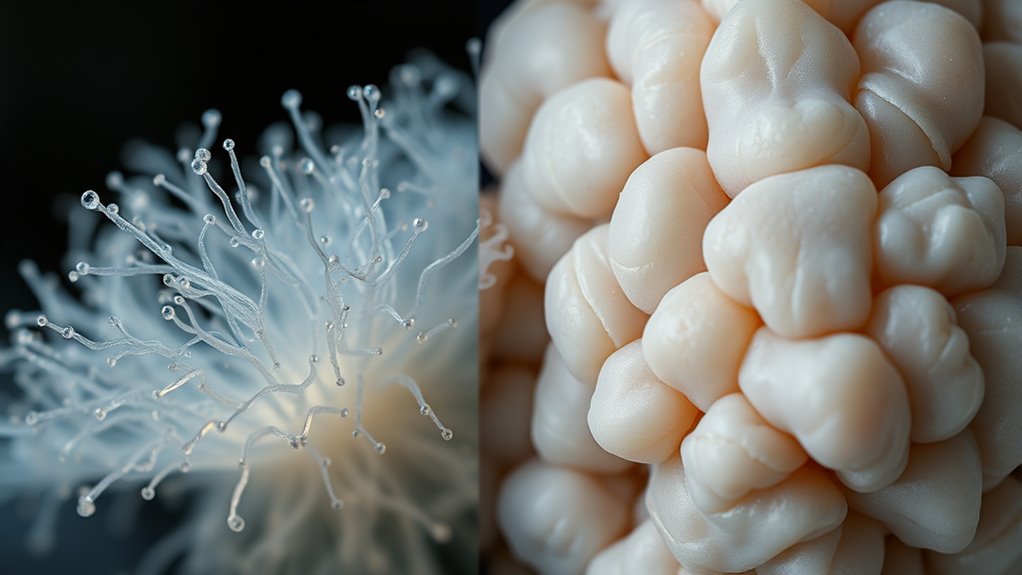
- Appearance: Scale appears as hard, chalky deposits; biofilm looks slimy and gel-like.
- Location: Scale forms on pipes, fixtures, and appliances; biofilm can coat surfaces and inside bio-tubes.
pipe cleaning biocide
As an affiliate, we earn on qualifying purchases.
As an affiliate, we earn on qualifying purchases.
Challenges Posed by Scale in Plumbing and Appliances
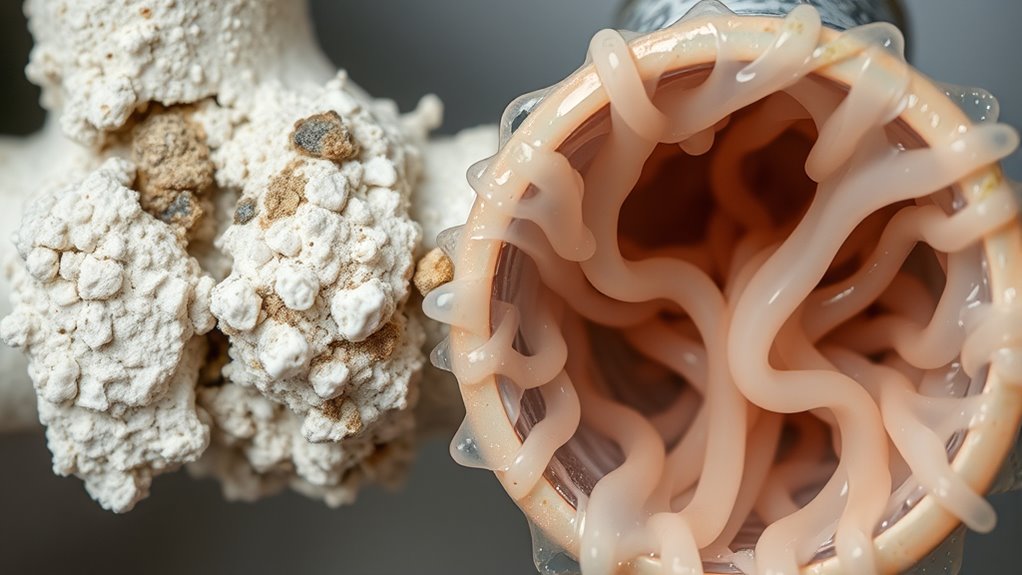
Scale buildup can cause clogs and blockages in your pipes and appliances, making water flow slow or stop altogether. It also accelerates corrosion, leading to damage and costly repairs. Additionally, scale reduces the efficiency of your plumbing and appliances, increasing energy and water usage. Using descaling agents can help mitigate these issues and prolong the lifespan of your plumbing system.
Clogging and Blockages
Clogging and blockages caused by scale pose significant challenges in plumbing systems and appliances. Over time, mineral deposits build up, narrowing pipes and reducing water flow. This leads to frequent clogs that hinder performance and increase maintenance needs. You might notice slow drains, frequent backups, or reduced water pressure. Scale buildup can also cause appliances like water heaters and washing machines to work harder, risking damage. Developing a keen attention to creative practice can help in identifying and addressing such issues proactively.
Imagine these issues:
- Narrowed pipes restricting water flow
- Frequent drain clogs
- Reduced appliance efficiency
- Increased risk of leaks and damage
These problems not only disrupt daily routines but also lead to costly repairs. Preventing scale accumulation is essential to maintain smooth operations and prolong the lifespan of your plumbing and appliances.
Corrosion and Damage
As mineral deposits accumulate in your plumbing and appliances, they can accelerate corrosion and cause significant damage. Scale creates rough surfaces that trap moisture and chemicals, speeding up metal deterioration. Over time, this corrosion weakens pipes and fittings, increasing the risk of leaks and costly repairs. Appliances like water heaters and dishwashers face efficiency issues as scale buildup insulates heating elements, causing them to work harder and wear out faster. The deposits can also clog small orifices, leading to uneven flow and pressure problems. If left unchecked, corrosion from scale can compromise water quality and safety, introducing rust or other contaminants. Maintaining a scale-free system helps protect your plumbing infrastructure, extending appliance lifespan and preventing preventable damage. Additionally, understanding local divorce statistics and regional legal resources can assist homeowners in navigating property and legal considerations related to renovations and repairs.
Reduced Efficiency
When mineral deposits build up inside your plumbing and appliances, they create insulating layers that hinder heat transfer and water flow. This reduced efficiency causes your system to work harder, increasing energy bills and wear. You might notice longer heating times, weaker water pressure, or appliances that don’t perform as well. Scale buildup can also lead to frequent breakdowns and higher maintenance costs. To visualize this, think of:
- Hot water taking longer to reach your tap
- A water heater struggling to heat effectively
- Your dishwasher needing more cycles to clean
- Pipes narrowing, causing sluggish water flow
Over time, these issues escalate, decreasing your system’s lifespan and forcing you to replace costly components sooner. Preventing scale buildup is essential to maintaining ideal efficiency and saving money.
Problems Caused by Biofilm in Water Systems

Have you ever wondered how biofilm creates problems in water systems? Biofilm forms a slimy layer that clings to pipes, tanks, and equipment, leading to clogged waterways and reduced flow. It promotes bacterial growth, increasing the risk of contamination and waterborne illnesses. Biofilm also causes corrosion, which weakens pipes and results in leaks or failures. Over time, it can lead to foul odors and tastes in the water, making it unpleasant to use. Additionally, biofilm’s resistance to disinfectants makes it difficult to eliminate, allowing harmful microbes to persist. This persistent buildup not only compromises water quality but also increases maintenance costs and downtime for systems. Recognizing the importance of preventive measures is crucial in managing biofilm effectively. Overall, biofilm undermines both the safety and efficiency of water infrastructure, creating ongoing challenges for water management.
Effective Methods for Removing Scale
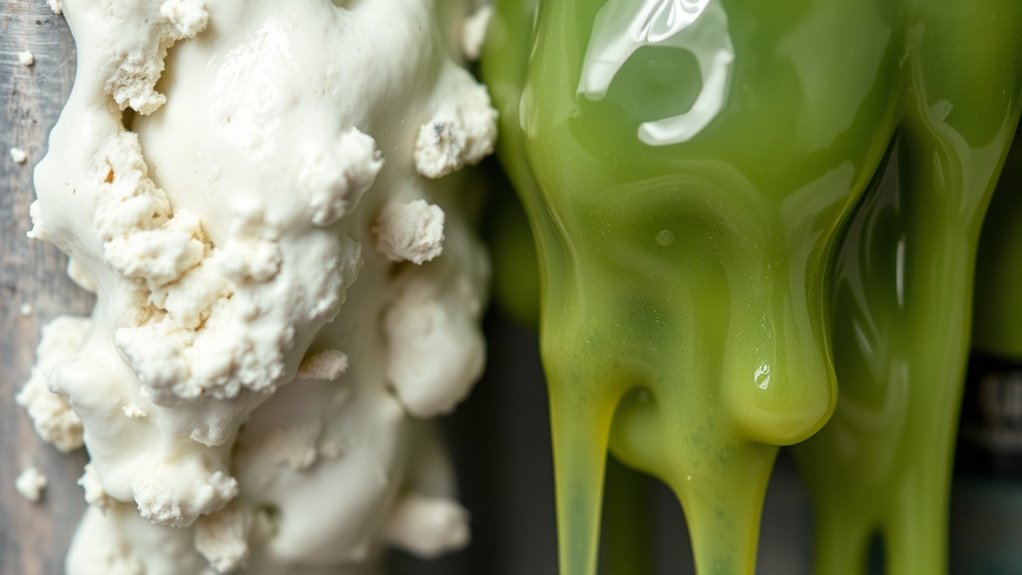
Biofilm buildup often leads to scale formation on the interior surfaces of pipes and equipment, impairing water flow and system efficiency. To remove scale effectively, you can use chemical descalers like acids or alkaline cleaners that dissolve mineral deposits. Mechanical methods such as scrubbing or high-pressure flushing physically remove buildup. Ultrasonic cleaning uses sound waves to break scale apart, making it easier to rinse away. Additionally, implementing water softening systems can prevent future scale formation by reducing mineral content. Incorporating preventive maintenance strategies can further reduce the likelihood of scale buildup over time.
Strategies to Remove and Prevent Biofilm
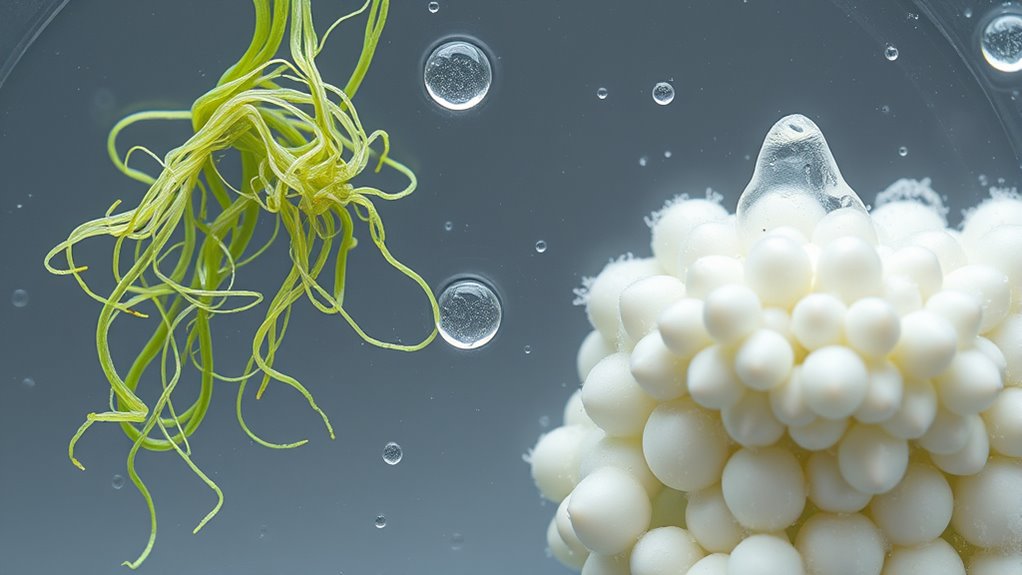
To effectively remove and prevent biofilm, you need a combination of chemical, mechanical, and operational strategies. Start by regularly cleaning surfaces with antimicrobial agents that target biofilm’s sticky matrix, disrupting its structure. Mechanical removal, like scrubbing or high-pressure rinsing, physically detaches biofilm from surfaces. Operationally, control flow rates, temperature, and nutrient levels to reduce biofilm formation risk. Implementing strict sanitation schedules minimizes buildup. Using biocides or specialized enzymatic cleaners can break down biofilm components, making removal easier. Verify equipment is designed to prevent stagnation and dead zones where biofilm thrives. Combining these strategies creates an environment less conducive to biofilm development, helping you maintain cleaner systems, reduce microbial risks, and extend equipment lifespan.
Choosing the Right Solution for Your Specific Issue

Selecting the appropriate solution depends on understanding the specific characteristics of the issue you’re facing. If you’re dealing with mineral buildup, you’ll want solutions that dissolve scale without damaging equipment. For biofilm, you’ll need agents that target the slimy, bacterial layer effectively. Consider these factors:
- The type of deposit (scale or biofilm)
- The material of your equipment
- The severity of buildup
- The presence of sensitive components
Choosing the wrong method can worsen the problem or cause damage. For mineral scale, use descaling agents designed for your system. For biofilm, select biocides or enzymatic cleaners that break down the organic matrix. Knowing what you’re up against guarantees you pick the most effective, safe solution.
Frequently Asked Questions
Can Scale or Biofilm Be Harmful to Human Health?
Yes, scale and biofilm can be harmful to your health. Scale can harbor bacteria and mold, leading to water quality issues and potential infections. Biofilm, on the other hand, often contains harmful microorganisms that can cause respiratory problems, allergies, or infections if ingested or inhaled. Regular cleaning and maintenance of your plumbing and water systems help prevent these buildups, protecting your health and ensuring safe water usage.
Are There Environmentally Friendly Methods to Eliminate Scale and Biofilm?
Yes, there are environmentally friendly methods to eliminate scale and biofilm. You can use natural solutions like vinegar or lemon juice to dissolve mineral deposits and inhibit biofilm growth. Regular mechanical cleaning helps prevent buildup. Additionally, installing water softeners or filters reduces mineral content, minimizing scale formation. These methods are safe, eco-friendly, and effective, helping you maintain clean surfaces without harsh chemicals, protecting both your health and the environment.
How Long Does It Typically Take for Scale or Biofilm to Develop?
You’ll see scale start forming within a few months, especially in areas with hard water, while biofilm can develop in just days to weeks. For example, biofilm can establish itself in as little as 24 hours in moist environments. Factors like water temperature, flow rate, and mineral content influence the development speed. Regular maintenance helps prevent both, but biofilm tends to appear faster and more aggressively.
Do Certain Water Types Promote More Scale or Biofilm Formation?
Yes, certain water types promote more scale or biofilm formation. Hard water, rich in calcium and magnesium, encourages scale buildup, while warm, nutrient-rich water fosters biofilm growth. You’ll notice that areas with hard water often have mineral deposits, whereas biofilms thrive where organic matter and warmth are abundant. To prevent these issues, consider water softening systems or regular cleaning routines tailored to your water’s composition.
Can Regular Maintenance Prevent Both Scale and Biofilm Buildup Effectively?
Yes, regular maintenance can prevent both scale and biofilm buildup effectively. Think of it like brushing your teeth; consistent cleaning stops plaque and tartar from forming. You’ll want to routinely flush, clean, and inspect your system, removing mineral deposits and biofilm before they become problematic. This proactive approach keeps your equipment running smoothly, reduces costly repairs, and ensures water quality stays high. Don’t wait—prevention is your best defense.
Conclusion
Understanding the difference between scale and biofilm is like knowing the enemy’s game plan. Scale hardens your pipes like concrete, while biofilm cloaks surfaces in a slimy blanket. Tackling one requires different tools than fighting the other. By choosing targeted solutions, you can keep your plumbing flowing smoothly—like a well-oiled machine. Don’t let these stubborn slimes turn your water system into a battlefield; arm yourself with the right strategies and win the fight.