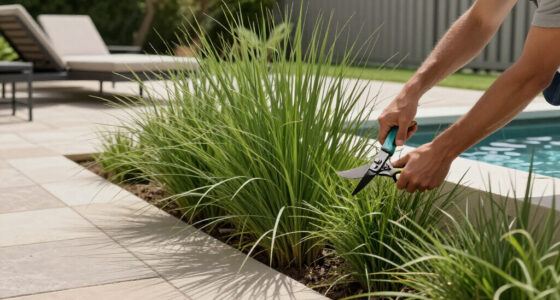
To retrofit your older pool for sustainability, focus on upgrading equipment like variable-speed pumps and energy-efficient filters to cut energy use. Implement water-saving measures such as automatic covers and smart management systems to reduce evaporation and wastage. Consider switching to eco-friendly chemicals and installing solar heating to lower environmental impact and operating costs. These upgrades can extend your pool’s lifespan and promote long-term savings, and you’ll discover more ways to make your pool eco-friendly as you explore further.

Get pool and patio gear delivered free — and shop member deals
- Fast, free delivery on millions of items
- Access to Prime Big Deal Days deals on October 6–7
- Prime Video, Amazon Music and more included
Key Takeaways
- Upgrade to energy-efficient pumps and lighting to reduce electricity use and carbon footprint.
- Install automatic covers and smart water management systems to conserve water and minimize evaporation.
- Use eco-friendly chemicals and optimize chemical balance to ensure pool health with minimal environmental impact.
- Incorporate solar heating systems to naturally warm the pool, decreasing reliance on electric or gas heaters.
- Implement comprehensive sustainability strategies to extend pool lifespan, lower operational costs, and promote environmental conservation.
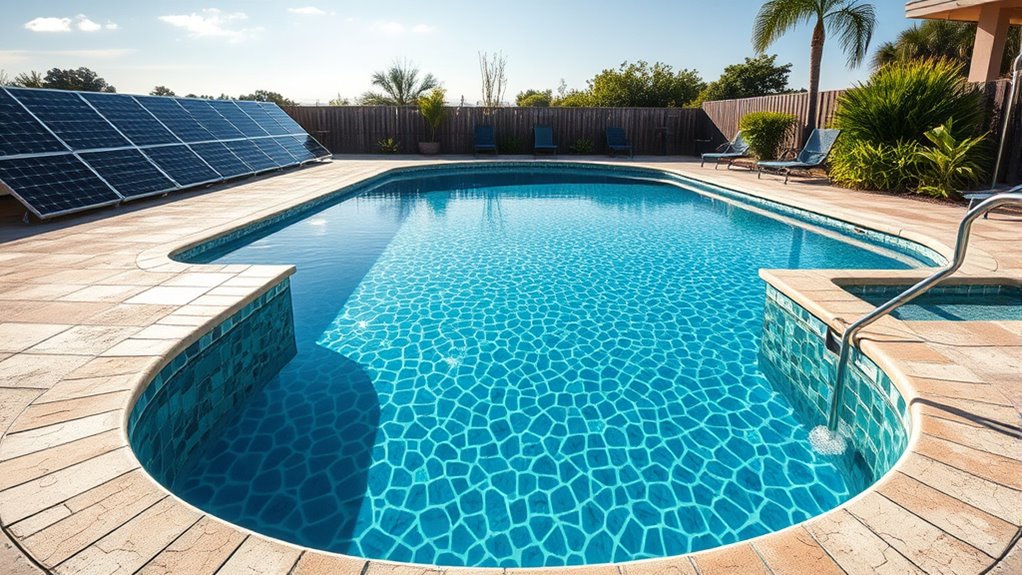
Are you looking for practical ways to make your older pool more eco-friendly? Upgrading your pool isn’t just about cutting costs — it’s about reducing your environmental impact too. One of the most effective starting points is focusing on energy efficiency. Older pools often rely on outdated equipment that consumes more power than necessary. Replacing a traditional pump with a variable-speed pump can substantially cut energy use, as these pumps adjust their speed based on your pool’s needs, preventing unnecessary energy drain. Upgrading to energy-efficient filters and lighting can also make a noticeable difference, lowering your electricity bills while shrinking your carbon footprint. These improvements guarantee that your pool runs smoothly and sustainably, without draining resources.
Water conservation is another essential aspect of retrofitting your older pool. Older pools typically lose water through evaporation and inefficient filtration systems, leading to frequent refills that waste a precious resource. Installing a high-quality, automatic cover helps retain heat and reduces evaporation, which means less water is lost and you don’t need to top off the pool as often. Additionally, consider implementing a smart water management system that monitors water levels and automatically adds water only when necessary. This prevents overfilling and minimizes water wastage. Repairing leaks promptly is vital, as even small drips can lead to significant water loss over time. These simple steps can drastically reduce your water consumption, easing the burden on local water supplies and lowering your utility bills.
Beyond equipment upgrades, you should think about optimizing your pool’s chemical balance to maintain clarity without excessive use of chemicals, which can be harmful to the environment. Switching to eco-friendly pool chemicals or mineral sanitizers can reduce chemical runoff and help you maintain a healthier pool. Another sustainable upgrade is installing solar heating systems, which harness the sun’s energy to warm your pool naturally. Solar heaters can cut your reliance on electric or gas heaters, further decreasing energy consumption and greenhouse gas emissions. When combined, these modifications not only make your pool more eco-friendly but also improve its overall efficiency and longevity.
Retrofitting your older pool for sustainability is an investment in the future, helping you save money while protecting the environment. It’s about making smart, strategic choices that prioritize energy efficiency and water conservation. By updating your equipment, installing smart systems, and embracing renewable energy options like solar, you’ll extend your pool’s lifespan and reduce its ecological footprint. These changes won’t just benefit the planet; they’ll also make your swimming experience more enjoyable and cost-effective in the long run.
As an affiliate, we earn on qualifying purchases.
Frequently Asked Questions
What Is the Typical Cost of Retrofitting an Older Pool?
Retrofitting an older pool typically costs between $10,000 and $30,000, depending on the scope of work. You should consider cost considerations like equipment upgrades, energy-efficient systems, and sustainable materials. Financing options, such as loans or rebates, can help make the project more affordable. To get the best value, get multiple quotes and evaluate long-term savings from energy efficiency improvements.
How Long Does a Retrofitting Process Usually Take?
The retrofitting process typically takes 2 to 4 weeks, depending on your pool’s size and the extent of upgrades. During this time, you’ll see improvements like new pool equipment upgrades and increased energy efficiency. You can anticipate the installation of energy-efficient pumps, filters, and solar heating systems to happen smoothly. Planning ahead and working with experienced professionals helps guarantee your retrofitting is completed on time.
Are There Any Permits Required for Pool Retrofitting?
Surprisingly, you’ll likely need permits for pool retrofitting because, of course, local regulations love to keep things complicated. You should check with your city’s building department to understand permit requirements, as they vary widely. Failing to get proper permits can lead to fines or delays, so it’s best to navigate local regulations early on. Don’t skip this step—your sustainable pool dreams depend on it!
Can Retrofitting Be Done Without Draining the Pool?
Yes, you can often retrofit your pool without draining it by focusing on non-invasive upgrades. DIY retrofit options include installing energy-efficient pumps, LED lighting, or automatic covers that don’t require emptying the pool. These methods allow you to enhance sustainability and save water while minimizing disruption. Just make certain you follow safety guidelines and consult professionals if needed to guarantee proper installation and lasting results.
What Maintenance Changes Are Needed After Retrofitting?
After retrofitting your pool, you’ll need to adjust your maintenance routine. Regularly check and maintain proper chemical balance to guarantee water clarity and safety. You’ll also want to monitor new equipment updates for peak performance, such as energy-efficient pumps or filtration systems. Keep an eye on these components, and schedule routine inspections and cleanings. This will help maximize your retrofit’s sustainability benefits and keep your pool running smoothly.
As an affiliate, we earn on qualifying purchases.
Conclusion
By retrofitting your older pool for sustainability, you’re planting seeds for a greener future. Imagine turning a worn, cracked vessel into a shimmering oasis that breathes new life into your backyard while whispering promises of conservation. With each upgrade, you’re weaving a tapestry of eco-friendly choices, transforming your pool into a sparkling jewel that reflects both beauty and responsibility. Embrace these changes, and watch your backyard become a sanctuary where sustainability flows as freely as the water itself.
As an affiliate, we earn on qualifying purchases.
As an affiliate, we earn on qualifying purchases.
Fall Picks
fall essentials
As an affiliate, we earn on qualifying purchases.