When choosing the right photometer for pool water, focus on accuracy, ease of use, and reliability. Look for models with high-quality sensors, proven calibration standards, and features that simplify testing — like large displays and automatic calibration. Environmental resilience is also important to guarantee precision over time. Picking a device that balances measurement accuracy with user-friendly features ensures consistent, dependable results and a crystal-clear pool. Keep going to discover key tips for making the best choice.
Key Takeaways
- Prioritize photometers with proven sensor accuracy and calibration standards for reliable water chemistry measurements.
- Consider environmental resilience and features that minimize sensor drift for consistent long-term performance.
- Choose user-friendly models with clear displays, intuitive controls, and easy maintenance to streamline testing routines.
- Opt for devices with automation and pre-programmed protocols to improve testing efficiency and reduce errors.
- Ensure the photometer provides precise, quick results to maintain optimal pool water quality and simplify maintenance.
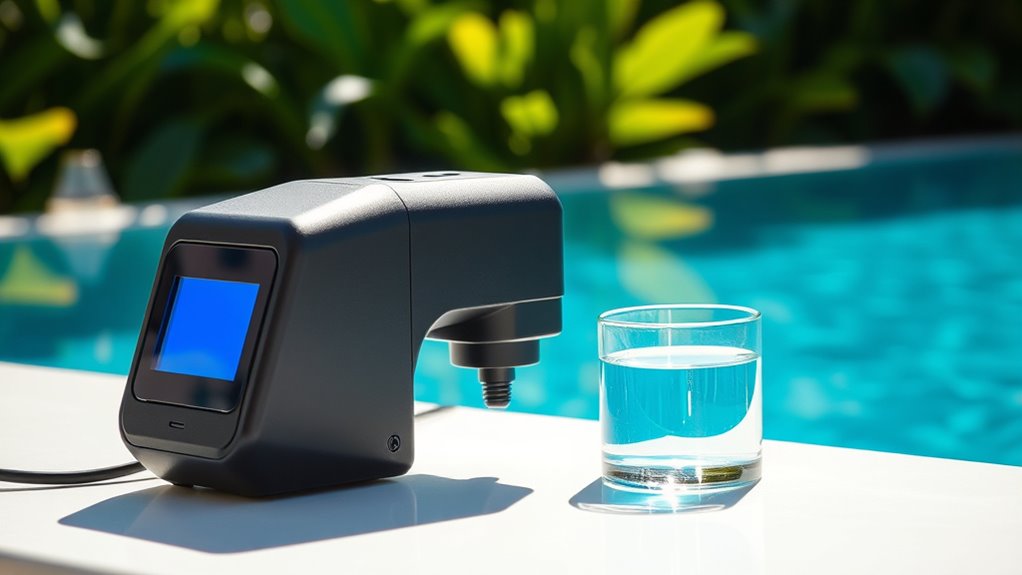
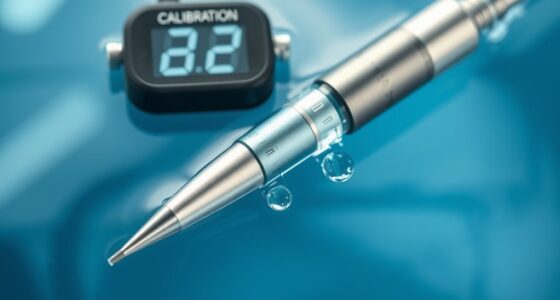
Maintaining clear, healthy pool water depends on accurately measuring chemical levels, and choosing the right photometer is key to achieving that. When selecting a device, you want something that provides reliable sensor accuracy because precise readings directly impact your ability to balance your pool’s chemistry. A photometer with high sensor accuracy ensures you get dependable results every time, reducing the risk of over- or under-treating your water. This accuracy is essential because small errors can lead to issues like algae growth, cloudy water, or corrosion of pool equipment. So, prioritize a device known for its precise measurements—look for models with proven calibration standards and quality sensors that minimize inaccuracies caused by environmental factors or sensor drift.
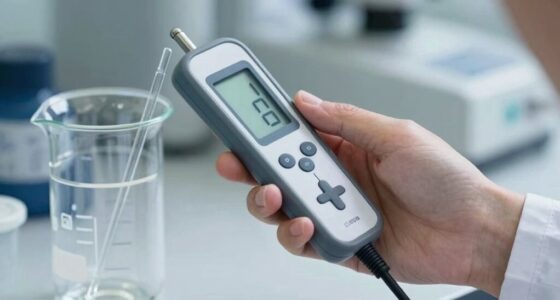
Ease of use is equally important. A photometer that’s simple to operate saves you time and frustration, especially if you’re not a professional chemist. Look for models with clear, straightforward interfaces—large digital displays, intuitive controls, and simple test procedures make the process more manageable. You want to avoid devices with complicated steps that could lead to mistakes or require lengthy training. Portability is another aspect of ease of use; compact, lightweight units allow you to test different areas of your pool quickly and conveniently. Additionally, consider how easy it is to maintain the device, including cleaning and calibration, as these factors influence ongoing usability. A user-friendly photometer encourages consistent testing, which is indispensable for maintaining excellent water quality.
Furthermore, choosing a device with industry-standard sensors ensures your measurements remain accurate over time despite environmental changes. When evaluating different models, check if they come with features that enhance ease of use, such as pre-programmed test protocols or automatic calibration options. These features reduce the chance of human error and streamline your testing routine. Also, consider the availability of customer support and detailed user manuals—these resources can help you troubleshoot issues swiftly and keep your device functioning accurately over time. Remember, even the most accurate sensor won’t be effective if you struggle to operate the device correctly. A photometer that balances sensor accuracy with ease of use will serve you best, making water testing less of a chore and more of a reliable part of your pool maintenance routine. By choosing a device that meets these criteria, you’ll ensure your pool remains crystal clear and safe for swimmers, all while simplifying the process and boosting confidence in your water management skills.

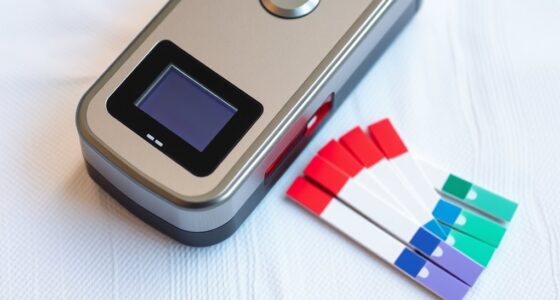
Digital Pool Water Tester Photometer – Accurate Water Analyzer for Pools, Spas & Hot Tubs – Tests 27 Parameters – Bluetooth/WiFi – App for pH, Chlorine, Alkalinity & More
- Advanced Water Testing: Measures 27 water parameters accurately
- Smart Connectivity: Bluetooth and WiFi enabled for app access
- Compatible Devices: Works with iOS and Android apps
As an affiliate, we earn on qualifying purchases.
As an affiliate, we earn on qualifying purchases.
Frequently Asked Questions
How Often Should I Calibrate My Pool Photometer?
You should calibrate your pool photometer regularly, ideally once a month, to guarantee accuracy. Calibration frequency depends on how often you use the device and environmental impacts like temperature and humidity, which can affect readings. If you notice inconsistent results or after cleaning the sensor, recalibrate sooner. Regular calibration helps maintain reliable measurements, ensuring your pool water stays safe and properly balanced.
Can I Use a Laboratory Photometer for Pool Testing?
Yes, you can use a laboratory photometer for pool testing, but consider its laboratory accuracy and portability. Laboratory photometers offer precise results, ensuring your water quality stays safe. However, they’re less convenient for regular pool maintenance due to their size and setup. For everyday testing, a portable photometer is more practical, combining accuracy with convenience. Use a laboratory model when you need detailed, highly accurate water analysis.
What Is the Lifespan of a Typical Pool Photometer?
A typical pool photometer lasts around 3 to 5 years with proper maintenance. You should regularly clean the sensors, calibrate it, and replace worn-out parts to extend its lifespan. Cost considerations include initial purchase price and ongoing maintenance expenses. Investing in a durable, easy-to-maintain model can save you money long-term, ensuring accurate readings and reducing downtime. Proper care keeps your photometer functioning effectively for years.
Are Digital or Analog Photometers More Accurate for Pools?
Digital photometers generally offer better digital accuracy, making them more precise for pool water testing. They provide clear readings and easier calibration, reducing human error. On the other hand, analog photometers are known for their reliability, especially in harsh environments or for long-term use, since they have fewer electronic components that can fail. Your choice depends on whether you prioritize digital accuracy or analog reliability for your pool maintenance needs.
How Do Environmental Factors Affect Photometer Readings?
Environmental factors can totally throw off your photometer readings, making them wildly inaccurate! Light interference from sunlight or artificial lights can drown out the signal, while water temperature can skew results—hot water might make chemicals seem more or less concentrated. To get precise measurements, use your photometer in controlled lighting conditions and at consistent water temperatures. This way, you avoid those pesky inaccuracies and keep your pool water perfectly balanced!
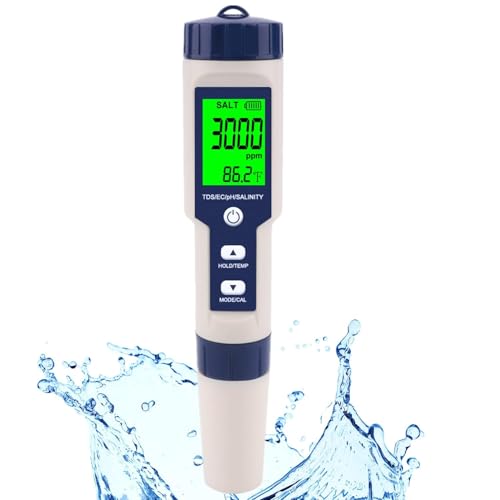
Pool Salt Tester & PH Meter, Hofun Digital Salinity Meter and PH Tester for Aquarium and Pool Saltwater Water, 5 in 1 Salinity PH Temp EC and TDS Meter, Aquarium Swimming Pool Hot Tub, High Accuracy
- Wide Application PH Meter: Suitable for pools, aquariums, and more
- Three Salinity Display Modes: PPM, PPT, and percentage options
- Automatic Unit Conversion: Switches between ppm and ppt automatically
As an affiliate, we earn on qualifying purchases.
As an affiliate, we earn on qualifying purchases.
Conclusion
Choosing the right photometer is like finding the perfect compass to navigate your pool’s health. It guides you through clear, safe water, ensuring every dip is as revitalizing as the first. By understanding your needs and selecting the right device, you’re not just maintaining water quality—you’re creating a oasis of purity. Trust your chosen photometer as your loyal lighthouse, steering your pool’s cleanliness safely to shore every time.

2025 All-New 4 in 1 Tds Meter Digital Water Tester – Accurate and Reliable TDS EC & Temp(°C,°F) Meter – 0-9999ppm – Professional Testing for Drinking Water, RO/DI System, Aquariums etc
- Brand Commitment: Reliable and high-quality water testing
- Accurate Results: High-precision chip and titanium probe
- Multifunctional 4-in-1: TDS, EC, and temperature measurement
As an affiliate, we earn on qualifying purchases.
As an affiliate, we earn on qualifying purchases.
Digital Pool Water Tester Photometer – Accurate Water Analyzer for Pools, Spas & Hot Tubs – Tests 27 Parameters – Bluetooth/WiFi – App for pH, Chlorine, Alkalinity & More
- Advanced Water Testing: Measures 27 water parameters accurately
- Smart Connectivity: Bluetooth and WiFi enabled for app access
- Compatible Devices: Works with iOS and Android apps
As an affiliate, we earn on qualifying purchases.
As an affiliate, we earn on qualifying purchases.