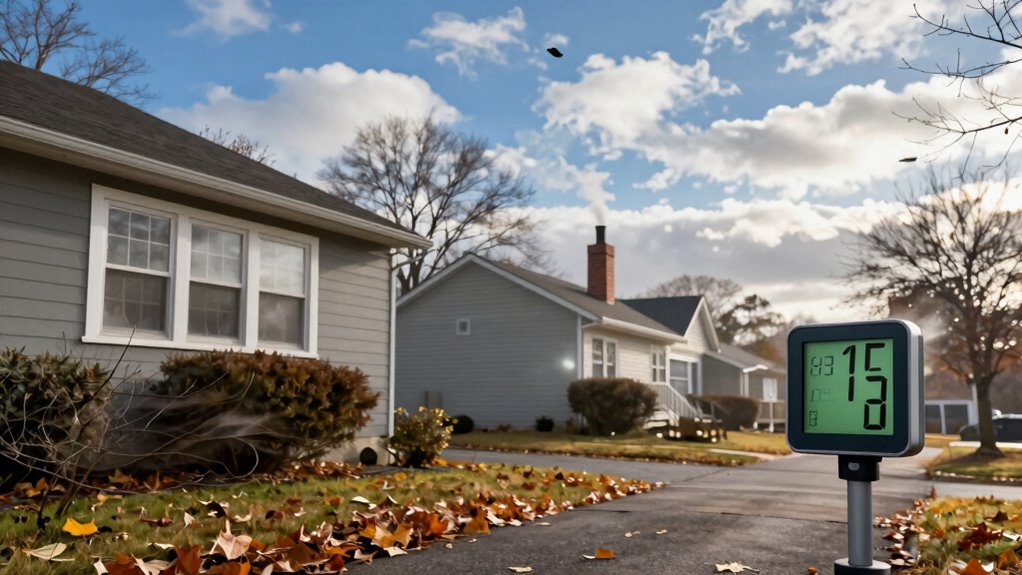
Wind increases your heating bill by stripping warm air from your walls and windows, making your home lose heat faster. Cold outdoor temperatures force your heating system to work longer and harder, raising energy costs. High humidity can make your indoor air feel warmer, potentially reducing heating needs, but if humidity is too low, your system runs longer. Proper sealing, insulation, and humidity control help keep your bills lower—discover how to optimize these factors for smarter energy use.
Open a free Amazon Business account
Business pricing, bulk buying and tax-exempt orders.
As an affiliate, we earn on qualifying purchases.
Key Takeaways
- Strong winds strip warm air from walls and windows, increasing heat loss and raising heating costs.
- Colder outdoor temperatures demand longer, more energy-intensive heating to maintain indoor comfort.
- Proper sealing and insulation reduce cold air infiltration, lowering energy use and heating bills.
- Higher indoor humidity levels can make spaces feel warmer, reducing the need for excessive heating.
- Well-maintained, energy-efficient systems optimize heating performance and minimize energy expenses.
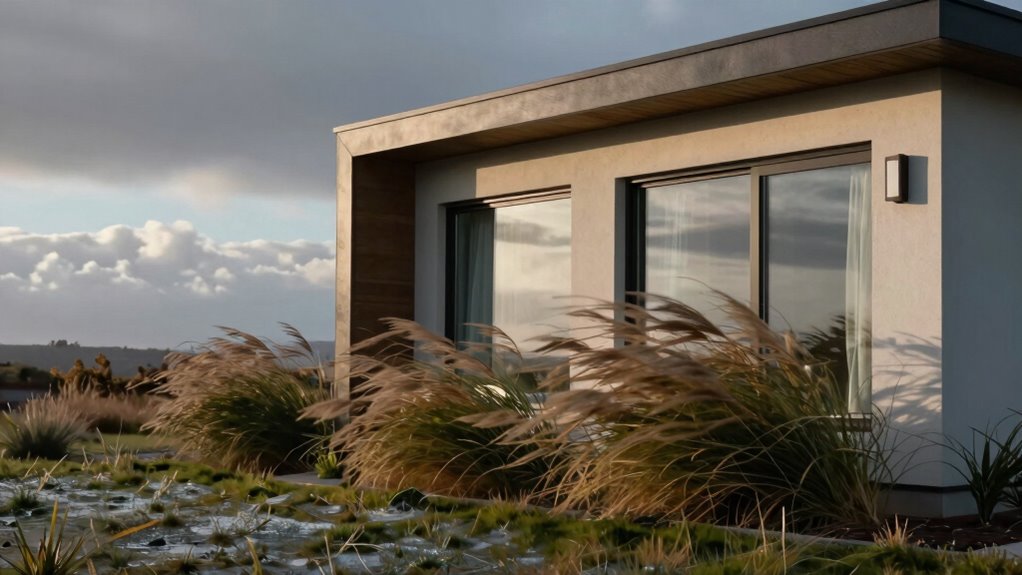
Understanding how wind, air temperature, and humidity affect your home’s heating bill can help you save money and stay comfortable during colder months. These factors influence the amount of energy your heating system needs to maintain a cozy indoor environment. When it’s windy outside, your home faces increased heat loss because the moving air strips away warm air from your walls and windows. This is where insulation efficiency plays a vital role. Proper insulation acts as a barrier, reducing the impact of wind and preventing heat from escaping. If your insulation isn’t up to par, you’ll likely notice higher heating bills because your system works harder to compensate for the heat loss caused by wind’s ventilation impact. Ensuring your insulation is well-maintained and effective is one of the best ways to mitigate this effect. Additionally, insulation materials can significantly influence how well your home resists heat transfer. Regular maintenance of your insulation can also help improve overall energy efficiency and comfort.
Air temperature, both outside and inside, also directly influences your heating expenses. When outdoor temperatures drop, your heating system has to work longer and harder to keep your indoor space warm. Conversely, if the air temperature is milder, your system can operate more efficiently, saving you money. Inside your home, maintaining a consistent temperature helps manage energy use. Sudden drops in air temperature outside can cause your heating to cycle more frequently, increasing energy consumption. Additionally, the ambient air temperature affects how your heating system performs. If your home isn’t properly insulated or sealed, cold air can seep in and warm air can escape, forcing your system to run more often. Properly sealing leaks, adding insulation, and utilizing energy-efficient heating systems can help stabilize indoor temperatures, making your heating efforts more efficient and less costly.
Humidity levels also play a subtle but impactful role. When air is dry, your heating system might need to run longer to reach the desired temperature, especially if the dry air makes you feel colder. High humidity, on the other hand, can make the air feel warmer and more comfortable at lower temperatures, reducing the need for excessive heating. Proper humidity levels can also help prevent issues like mold growth, which can be exacerbated by temperature fluctuations. Maintaining a balanced humidity level can contribute to better indoor air quality and energy savings. However, too much humidity can cause other issues like mold growth, so maintaining a balanced level is key. Managing humidity effectively can reduce your heating costs by allowing you to set your thermostat lower without sacrificing comfort.
energy efficient insulation for home
As an affiliate, we earn on qualifying purchases.
As an affiliate, we earn on qualifying purchases.
Frequently Asked Questions
How Does Insulation Affect Heating Costs During Different Weather Conditions?
Insulation directly impacts your heating costs by improving insulation effectiveness, keeping warm air inside during cold weather and cool air during hot weather. Weather-dependent insulation adapts better to changing conditions, reducing energy waste. When insulation is effective, you’ll notice lower bills in all weather conditions because your home stays more comfortable and requires less energy to heat or cool. Proper insulation is essential for consistent energy savings year-round.
Can Window Treatments Reduce Heat Loss Caused by Wind and Humidity?
Your window treatments can dramatically slash heat loss caused by wind and humidity, almost like sealing a treasure chest from the cold. Using window sealing and curtain insulation creates an impenetrable barrier, stopping drafts in their tracks. These simple yet powerful measures trap warm air inside and block cold drafts outside, reducing your heating bill considerably. It’s like giving your home a cozy, insulating armor that keeps your warmth where it belongs—inside.
Do Smart Thermostats Help Mitigate Weather-Related Increases in Heating Bills?
Yes, smart thermostats help reduce weather-related heating costs. They use smart sensors to monitor your home’s temperature and AI algorithms to adjust settings automatically. When wind, cold air, or humidity changes occur, these thermostats respond swiftly, optimizing heating efficiency. This prevents unnecessary energy use, keeping your home comfortable and lowering your bills, especially during extreme weather conditions.
How Do Building Materials Influence Heating Efficiency in Varying Climates?
Building materials impact your heating efficiency through their durability and thermal conductivity. Durable materials like brick or concrete stand up to weather changes, providing consistent insulation. Thermal conductivity influence determines how well heat transfers through walls; low conductivity materials like foam or fiberglass trap heat better, reducing your heating costs in varying climates. Selecting the right materials guarantees your home stays warm efficiently, regardless of external weather conditions.
What Role Does Outdoor Air Quality Play in Indoor Heating Expenses?
Think of outdoor air quality like a leaky window—poor pollution levels, measured by the air quality index, make it harder to keep your home warm. Outdoor pollution from vehicle emissions or industrial activities can infiltrate your space, forcing your heating system to work harder and raising your bills. Better air quality means less strain on your heating, saving you money and creating a healthier indoor environment.
smart thermostat for energy savings
As an affiliate, we earn on qualifying purchases.
As an affiliate, we earn on qualifying purchases.
Conclusion
Understanding how wind, air temperature, and humidity affect your heating bill can save you a fortune—it’s like having a secret weapon against soaring costs. When the wind howls and moisture levels shift, your home adjusts, sometimes wildly, to keep you warm. By paying attention to these factors, you can optimize your heating and avoid wasting money. Remember, ignoring these elements is like throwing your money into a fire—don’t let your energy bills become an unstoppable beast!
humidifier and dehumidifier combo
As an affiliate, we earn on qualifying purchases.
As an affiliate, we earn on qualifying purchases.
As an affiliate, we earn on qualifying purchases.
Fall Picks
fall essentials
As an affiliate, we earn on qualifying purchases.