
Heat and dehydration are essential topics in every pool safety talk because they directly affect your health and enjoyment. Exposure to the sun’s strong rays can cause dehydration, heat exhaustion, or heatstroke, especially during peak hours. Staying hydrated and protecting your skin from UV rays reduce these risks. By understanding how heat and dehydration impact your safety, you’re better equipped to enjoy your pool days fully. Keep going to discover more ways to stay healthy and safe while swimming.
Key Takeaways
- Heat-related illnesses like heat exhaustion and heatstroke can quickly develop during pool days, especially in high temperatures.
- Dehydration impairs judgment, coordination, and safety, increasing risk of accidents or drowning near the pool.
- Proper hydration prevents heat-related health issues, ensuring swimmers stay alert, comfortable, and safe.
- Sun exposure and heat accelerate water loss, making dehydration a common risk during outdoor swimming activities.
- Integrating heat and dehydration awareness promotes comprehensive safety, reducing health risks and enhancing enjoyment of pool time.
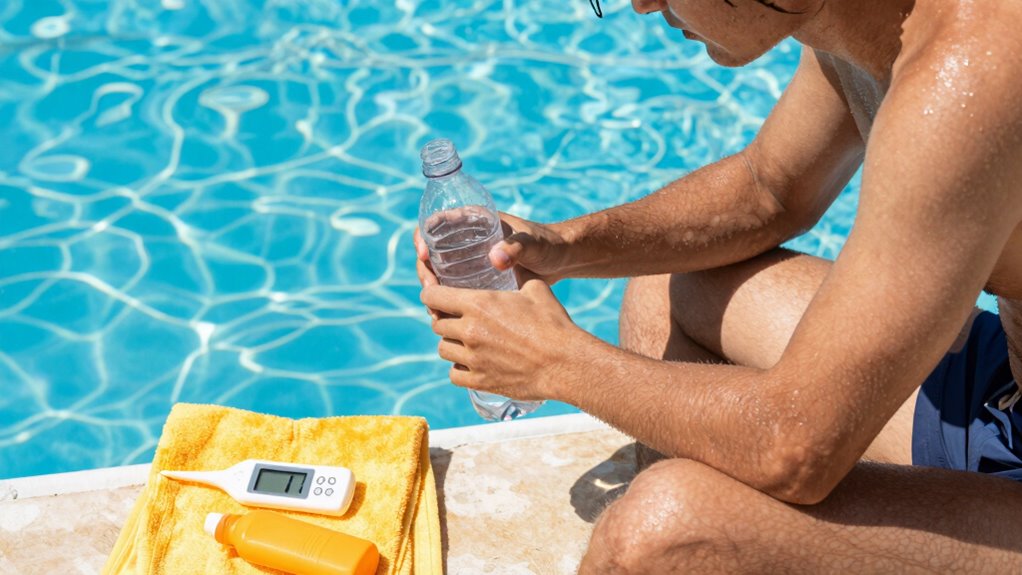
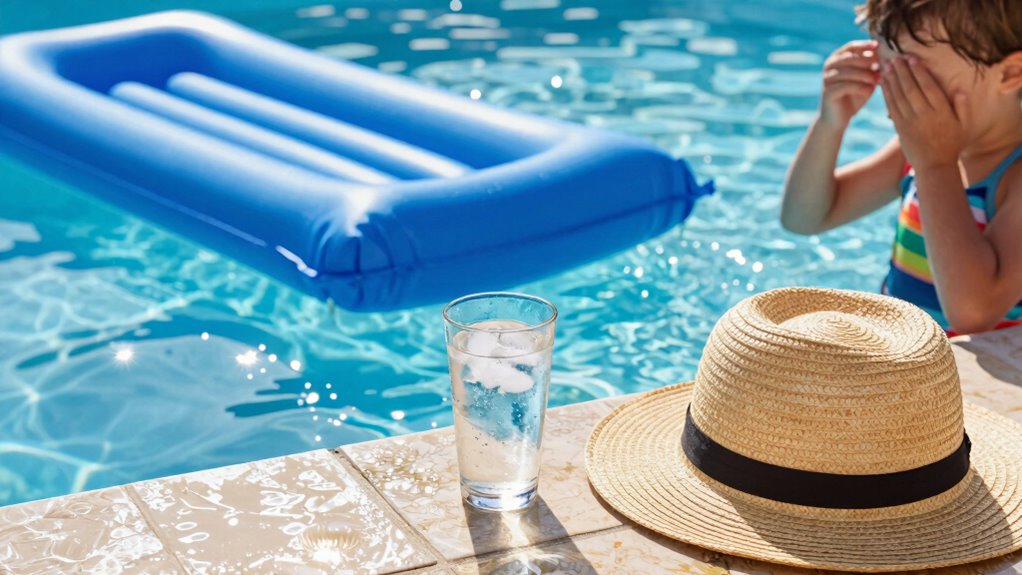
Have you ever wondered how the summer heat can turn a fun day by the pool into a health risk? When you’re soaking up the sun, it’s easy to get caught up in the enjoyment and forget about the dangers of sun exposure. Too much sun can lead to dehydration, heat exhaustion, or even heatstroke if you’re not careful. That’s why understanding how to manage sun exposure and stay properly hydrated is essential for every pool day. Protecting your skin with sunscreen, wearing protective clothing, and taking breaks in the shade can significantly reduce the risk of sunburn and heat-related illnesses. But equally important are hydration tips—drinking enough fluids before, during, and after swimming or lounging under the sun. Water is your best friend here, helping your body regulate temperature and replace lost fluids. Avoid sugary drinks or alcohol, as they can actually dehydrate you further.
Stay safe in the sun with proper hydration, protective clothing, and shade to enjoy your pool day healthily.
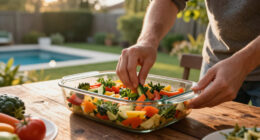
Your body loses a lot of water through sweat when you’re outside in the heat, and that loss accelerates when you’re active in or around the pool. Recognizing signs of dehydration, like dry mouth, dizziness, or fatigue, can help you catch problems early. Keep a water bottle nearby and sip regularly, even if you’re not feeling parched. Remember, thirst is a late indicator that you’re already dehydrated, so proactively drinking water is key. Incorporate hydrating foods into your day as well, such as watermelon, oranges, or cucumbers—they contain high water content and can help keep you refreshed. Additionally, understanding biodiversity and the importance of protecting natural environments can help ensure cleaner water sources for safe swimming. Maintaining healthy ecosystems not only benefits the environment but also contributes to better water quality for recreational use. Being aware of how UV radiation affects your skin and health can further enhance your sun safety practices.
It’s also important to be mindful of how long you’re exposed to the sun. The sun’s rays are strongest between 10 a.m. and 4 p.m., so try to limit your direct exposure during these hours. If you want to prolong your pool day, seek shade or set up umbrellas to create shaded spots. Wearing a wide-brimmed hat and UV-protective sunglasses adds an extra layer of defense. Remember, even on cloudy days, UV rays can penetrate clouds and cause sun damage, so don’t skip sun protection altogether. Being aware of the effects of UV radiation can help you better understand why sun protection remains vital regardless of weather conditions. Incorporating sun safety strategies into your routine can also help you avoid long-term skin damage. Furthermore, staying informed about heat-related illnesses can prepare you to respond effectively if symptoms arise.
In the end, staying safe in the heat isn’t just about avoiding sunburn—it’s about preventing dehydration and heat-related illnesses. By combining smart sun exposure habits with consistent hydration tips, you can enjoy your pool day to the fullest without putting your health at risk. Always listen to your body, take breaks, and prioritize hydration. That way, your summer fun remains safe, refreshing, and enjoyable from start to finish.

Neutrogena Beach Defense Sunscreen Lotion, SPF 70, 6.7 fl. oz
- SPF Protection: Broad spectrum SPF 70 with Helioplex
- Lightweight Formula: Fast, even, non-greasy application
- Water-Resistant: Up to 80 minutes during water activities
As an affiliate, we earn on qualifying purchases.
As an affiliate, we earn on qualifying purchases.
Frequently Asked Questions
How Can I Tell if Someone Is Dehydrated in the Pool?
You can tell someone is dehydrated in the pool if you notice signs of dehydration, like dry mouth, dizziness, or dark-colored urine. Watch for dehydration symptoms such as fatigue, headache, or confusion. If they seem unusually weak or irritable, they might be dehydrated. Encourage them to take breaks, drink water regularly, and stay hydrated to prevent serious issues. Always prioritize hydration for safety and well-being.
Are Certain Age Groups More at Risk for Heat-Related Issues?
You might suspect that vulnerable age groups, like young children and older adults, are more at risk for heat-related issues. Research confirms they need age-specific hydration strategies because their bodies handle heat differently. Children can’t regulate temperature as effectively, and seniors often have underlying health conditions. So, you should prioritize extra hydration and frequent breaks for these groups, ensuring their safety while enjoying the pool.
What Are Quick Remedies for Dehydration During Swimming?
If you feel dehydrated while swimming, act quickly. Follow hydration tips by drinking plenty of water, even before you feel thirsty. Take frequent water intake breaks and opt for electrolyte drinks if you’re sweating heavily. Rest in the shade to cool down and avoid further dehydration. Recognizing early signs and staying ahead with water intake helps prevent serious issues, keeping you safe and enjoying your time in the pool.
How Does Heat Affect Pool Water Chemistry?
Imagine the sun’s rays heating your pool like a skillet, raising the pool temperature. When this happens, it throws off the chemical balance, making the water more prone to algae and bacteria growth. Higher temperatures speed up chemical reactions, causing chlorine to dissipate faster and pH levels to shift. You need to monitor your pool’s temperature and chemistry closely, ensuring safe, clean water for everyone swimming.
Can Pool Chemicals Help Prevent Heat Exhaustion?
Pool chemicals don’t directly prevent heat exhaustion, but they play a role in chemical safety and temperature regulation. Proper chemical levels guarantee the water stays balanced, reducing skin irritation and dehydration risk. Maintaining correct pH and chlorine levels helps keep the water comfortable and safe, encouraging hydration and preventing overheating. Always follow safety guidelines for chemical use, stay hydrated, and take breaks in shaded areas to avoid heat exhaustion while enjoying the pool.

Baen Sendi 2 Pack Hydration Pack with 2L Backpack Water Bladder – Great for Outdoor Sports of Running Hiking Camping Cycling Skiing
- Complete Hydration Set: Includes 2L bladder and hydration pack
- Lightweight Design: Total weight only 0.79 pounds
- Convenient Storage Pockets: Exterior zipper pockets for essentials
As an affiliate, we earn on qualifying purchases.
As an affiliate, we earn on qualifying purchases.
Conclusion
So, next time you’re splashing around, remember that ignoring heat and dehydration is the real pool danger. Who needs safety signs when you can just rely on your own brilliant instincts—like ignoring thirst and overheating? Keep water handy, cool off, and stay alert. After all, nothing says “fun” like passing out from heatstroke while trying to perfect your cannonball. Stay safe, stay hydrated, and keep the poolside drama to a minimum!

Daci 3 Piece Rash Guard Set with 3'' Shorts, Green Palm Tree, Medium
- UV Protection: UPF 50+ blocks 99% UV rays
- Quick-Dry Fabric: Ideal for surfing and snorkeling
- Versatile Design: Full coverage and bikini style
As an affiliate, we earn on qualifying purchases.
As an affiliate, we earn on qualifying purchases.

50 Strong Sports Water Bottles 6-Pack – Reusable 22 oz BPA-Free Plastic Bottles with Pull Top Cap – Made in USA – Top Rack Dishwasher Safe – Fits Most Bike Cages Brand – Clear
- Capacity: 22 oz reusable water bottles
- Material: BPA-Free polyethylene
- Quantity: 6-pack assorted colors
As an affiliate, we earn on qualifying purchases.
As an affiliate, we earn on qualifying purchases.