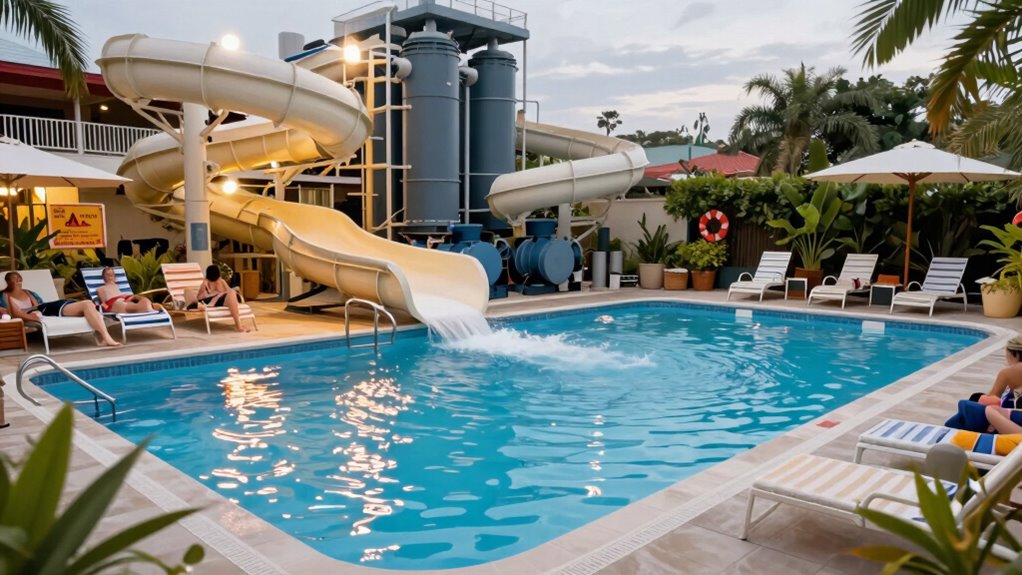
If you manage a high-bather-load pool, you need specialized equipment like larger filtration systems and automatic chemical feeders to keep water safe. You also have to follow strict health regulations, maintain detailed records, and employ trained staff for ongoing upkeep. Unlike backyard pools, you’ll face more frequent chemical balancing, filter maintenance, and safety inspections. Keep going to discover more about what sets these pools apart and how to stay compliant.
Key Takeaways
- Advanced filtration systems and automatic chemical feeders to handle increased water contamination.
- Frequent water testing and chemical adjustments, often daily, to maintain safety standards.
- Professional-grade equipment and trained personnel for ongoing maintenance and compliance.
- Strict adherence to health regulations, including detailed record-keeping and safety protocols.
- Comprehensive cleaning routines, filter backwashing, and surface disinfection to ensure water quality.
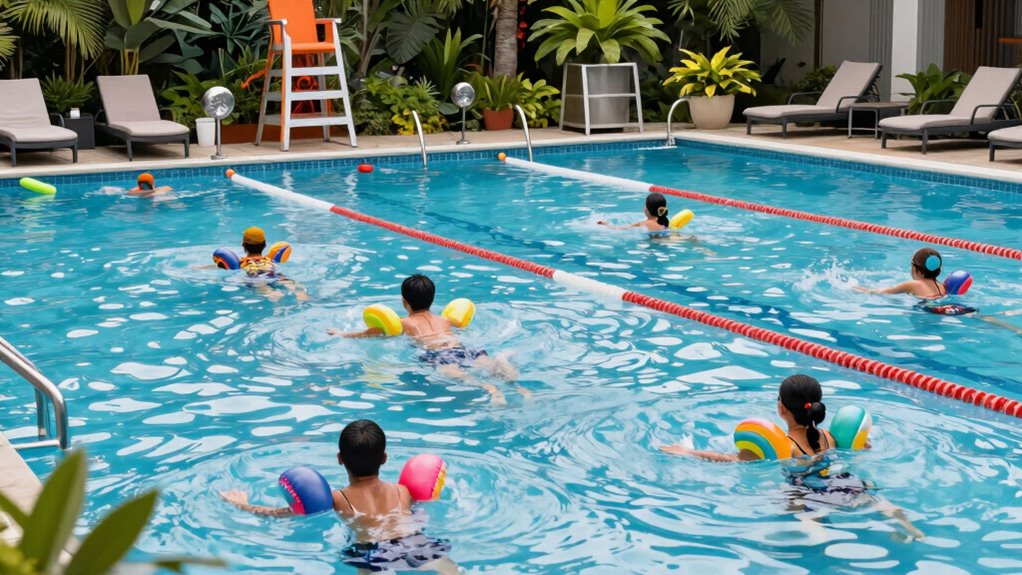
When choosing between high-bather-load pools and backyard pools, understanding their differences can help you make an informed decision. High-bather-load pools, often found in public or communal settings, need specialized care to keep the water clean and safe. Unlike backyard pools, which usually serve fewer swimmers, these pools are subjected to more frequent use, which directly impacts their chemical balance and maintenance routines. With a higher number of swimmers, contaminants like sweat, body oils, and dirt enter the water more often, making it essential to monitor and adjust chemical levels regularly to prevent bacteria growth and algae formation.
High-bather-load pools require frequent chemical adjustments and rigorous maintenance to ensure water safety and clarity.
Maintaining proper chemical balance is critical for high-bather-load pools. You’ll need to test the water frequently—sometimes daily—to ensure pH, chlorine, alkalinity, and sanitizer levels stay within ideal ranges. These pools demand more rigorous chemical treatments because the sheer volume of swimmers introduces contaminants rapidly. If you neglect this, you risk water becoming cloudy, odorous, or even unsafe. Backyard pools, on the other hand, generally require less frequent testing and chemical adjustments, thanks to fewer users and less pollution.
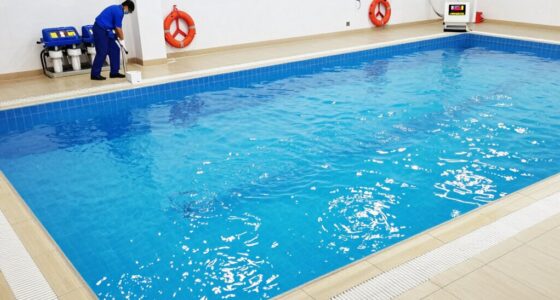
In addition to chemical balance, the maintenance routines for high-bather-load pools are more intensive. You must regularly skim debris, vacuum the bottom, and clean filters to keep the water clear and circulation efficient. The filters in these pools tend to work overtime to handle the increased load, so they need frequent backwashing or cartridge replacements. Maintenance also involves disinfecting surfaces and ensuring proper filtration, which can be time-consuming and costly. Proper water quality management is essential to prevent issues caused by the high usage. Additionally, professional-grade equipment like advanced filtration and automatic chemical feeders are often necessary to handle the demands of high-bather environments. Investing in reliable maintenance routines can help extend the lifespan of the pool and its equipment, preventing costly repairs in the future.
Furthermore, implementing preventative maintenance routines is vital to sustain water quality and avoid costly repairs or replacements in the future. Backyard pools, these routines are simpler. You might only need to perform weekly cleaning and chemical checks, making upkeep more manageable for a homeowner.
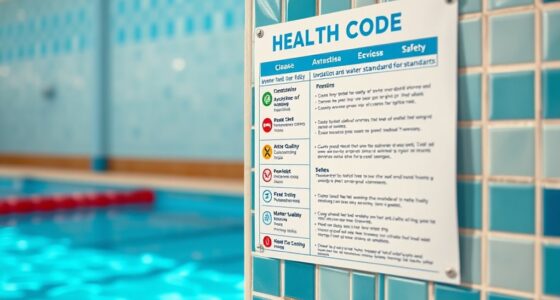
Another key difference is the need for specialized equipment and staffing in high-bather-load pools. Larger filtration systems, automatic chemical feeders, and trained personnel are often necessary to maintain consistent water quality. These pools often operate under strict health and safety regulations, requiring detailed record-keeping and compliance checks. In contrast, backyard pools typically don’t face such regulations and rely on basic equipment and personal oversight.
In essence, high-bather-load pools require a more disciplined approach to chemical balance and maintenance routines. They demand constant attention, professional-grade equipment, and a proactive maintenance schedule to ensure water safety and clarity. Backyard pools, while still needing care, are more forgiving and can be maintained with less effort. If you’re considering a pool that will see frequent use, understanding these needs helps you prepare for the extra effort involved in keeping the water inviting, safe, and sparkling clean.
high capacity pool filtration system
As an affiliate, we earn on qualifying purchases.
As an affiliate, we earn on qualifying purchases.
Frequently Asked Questions
How Often Should High-Bather-Load Pools Be Professionally Maintained?
You should have high-bather-load pools professionally maintained weekly. During these visits, experts check and clean the pool filtration system to guarantee it runs efficiently. They also balance water chemistry, adjusting pH and sanitizer levels to prevent bacteria and algae growth. Regular maintenance helps keep the pool safe, clear, and comfortable, preventing issues that can arise from heavy use. Consistent professional care is vital for high-bather-load pools to stay in peak condition.
What Are the Best Sanitation Methods for High-Traffic Pools?
To keep a high-bather-load pool sanitized, you should focus on maintaining proper alkaline balance and chlorine stability. Regularly test and adjust pH levels to stay within the ideal range, ensuring chlorine works effectively. Use stabilized chlorine or consider alternative sanitizers like UV or ozone systems for added protection. Consistent circulation and filtration are essential to prevent bacteria buildup, keeping your pool safe and clean for frequent swimmers.
How Do High-Bather-Load Pools Handle Chemical Balancing Differently?
You handle chemical balancing in high-bather-load pools differently by constantly monitoring and adjusting for chemical stability, which is essential with up to 300% more swimmers. You prioritize pH regulation to prevent fluctuations caused by sweat and body oils. Regular testing guarantees chemicals stay within ideal ranges, maintaining water clarity and safety. This proactive approach keeps the water balanced despite the heavy usage, guaranteeing a safe swimming environment.
What Safety Features Are Essential for High-Bather-Load Pools?
You need vital safety features like a sturdy pool cover to prevent accidental falls when not in use, especially with high bather loads. Safety signage is essential to inform swimmers of rules and depth changes, reducing accidents. Regularly inspect and maintain these features to make sure they’re effective. These safety measures protect everyone, making your high-bather-load pool a safer environment for all users.
How Can I Extend the Lifespan of a High-Bather-Load Pool?
To extend your high-bather-load pool’s lifespan, you should invest in a quality pool cover to prevent debris buildup and reduce evaporation, which minimizes chemical use. Additionally, maintain proper water circulation by running the pump regularly, ensuring pollutants are filtered out efficiently. Consistent water testing and timely chemical adjustments also help prevent damage from algae and scale buildup, keeping your pool in great condition longer.

Hayward CL200EF in-Line Automatic Chlorine Feeder, Offline Pool Chlorinator and Chlorine Dispenser, Up to 9 lb Capacity, for In-Ground Swimming Pools
- Automatic Off-Line Chlorination: Consistent chlorine distribution for pools
- High-Capacity Chlorine Feeder: Holds up to 9 lbs of chlorine
- Corrosion-Resistant Construction: Durable, chemical-resistant housing
As an affiliate, we earn on qualifying purchases.
As an affiliate, we earn on qualifying purchases.
Conclusion
So, if you’re managing a high-bather-load pool, remember that maintaining water clarity and safety is essential—more swimmers mean more contaminants and wear. Did you know that a busy public pool can see up to 100 swimmers a day? That’s why it needs specialized filtration, regular chemical balancing, and robust maintenance. Unlike backyard pools, you can’t just skim the surface and call it a day. Staying proactive keeps your pool inviting and safe for everyone who dips in.
professional-grade pool water testing kit
As an affiliate, we earn on qualifying purchases.
As an affiliate, we earn on qualifying purchases.
high-bather-load pool cleaning equipment
As an affiliate, we earn on qualifying purchases.
As an affiliate, we earn on qualifying purchases.