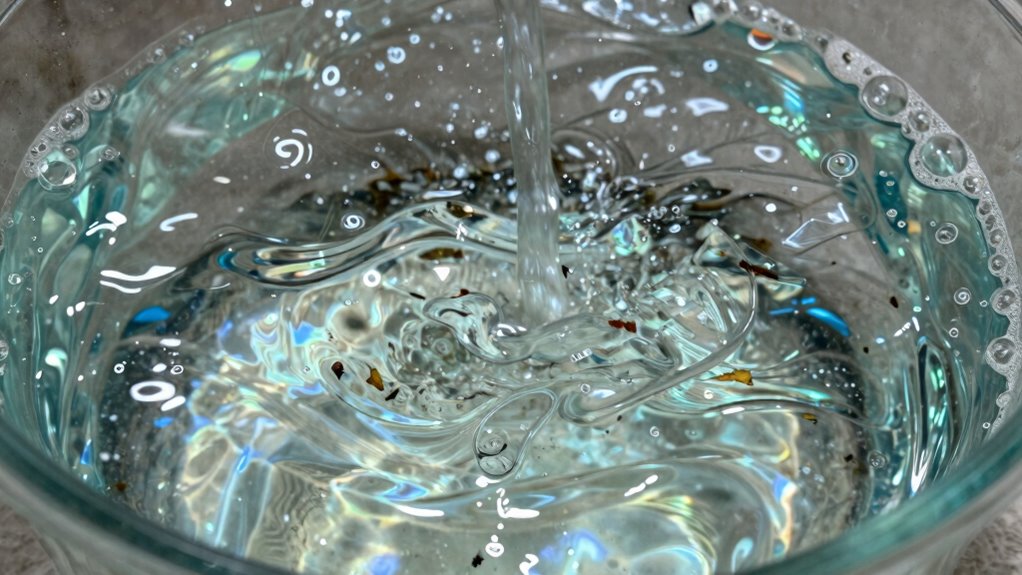

Proper disposal of backwash water is essential because it contains contaminants like dirt, chemicals, and microbes that can harm the environment and public health if not managed correctly. Dumping it improperly can pollute soil, water bodies, and groundwater, risking ecosystems and human safety. By adopting better disposal practices, you help protect the environment and meet regulations. Keep exploring to discover more effective ways to handle backwash water responsibly.

Get pool and patio gear delivered free — and shop member deals
- Fast, free delivery on millions of items
- Access to Prime Big Deal Days deals on October 6–7
- Prime Video, Amazon Music and more included
Key Takeaways
- Improper disposal can lead to soil and water contamination, harming ecosystems and public health.
- Backwash water often contains harmful chemicals and microbes requiring proper treatment before disposal.
- Inadequate disposal methods can cause long-term environmental damage and groundwater pollution.
- Implementing better disposal plans enhances system efficiency and reduces operational and environmental costs.
- Responsible management supports regulatory compliance and promotes sustainable water treatment practices.
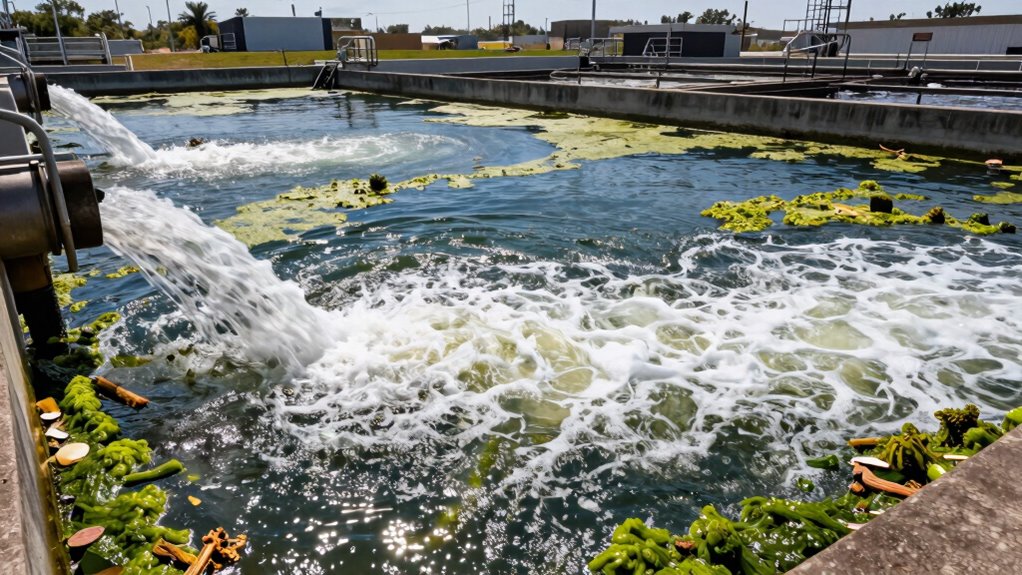
Have you ever wondered what happens to the water used to clean filters in your pool or water treatment system? When you backwash filters, especially in pools or industrial setups, you’re essentially flushing out dirt, debris, and other contaminants that have accumulated during filtration. This process generates what’s known as backwash water, which often contains a mix of chemicals, organic matter, and other pollutants. Unfortunately, many people overlook the importance of properly managing this water, assuming it’s just waste. But the truth is, how you handle backwash water can considerably impact the environment.
Filtering methods are designed to remove impurities efficiently, but they don’t eliminate everything. When you backwash your filters, the water that’s expelled isn’t just dirty—it can carry harmful substances like chlorine, heavy metals, oils, and microbes. If disposed of improperly, this water can seep into soil and waterways, introducing pollutants that threaten ecosystems and public health. It’s vital to recognize that the environmental impact of backwash water varies depending on its composition and treatment methods, and how it’s disposed of. Simply dumping it into storm drains or nearby water bodies can lead to contamination, harming aquatic life and groundwater quality.
That’s why a better disposal plan is essential. You need to evaluate filtering methods for your backwash water before disposal. Techniques like sedimentation, filtration, or chemical treatment can help reduce pollutants, making the water safer to release or recycle. Recycling backwash water within your system or treating it to meet environmental standards minimizes waste and lessens your ecological footprint. It’s also worth exploring alternative disposal options, like authorized disposal facilities, that specialize in handling contaminated water safely. Implementing proper waste management practices can also prevent accidental environmental hazards caused by improper disposal. Additionally, understanding the composition of backwash water can guide you in selecting the most effective treatment options. Furthermore, staying informed about regulations and standards ensures compliance and promotes responsible water management.
Implementing proper waste management practices for backwash water not only safeguards the environment but also enhances your system’s overall efficiency. Adopting responsible strategies can lead to cost savings and compliance with environmental regulations. Increasing awareness about the environmental impact of improper disposal encourages better practices across industries and communities. Ultimately, you have the power to make a difference by choosing more sustainable filtering methods and disposal plans. By doing so, you’re contributing to a healthier environment and ensuring that your water management practices are both efficient and responsible. Proper disposal isn’t just a regulatory duty; it’s a commitment to protecting our planet for future generations.
As an affiliate, we earn on qualifying purchases.
Frequently Asked Questions
How Often Should Backwash Water Be Tested for Contaminants?
You should conduct contaminant analysis on backwash water regularly, ideally every month, to guarantee safety. Testing frequency depends on your system size, water quality, and local regulations. By routinely monitoring contaminants, you can identify potential hazards early, prevent environmental issues, and maintain compliance. Consistent testing helps you adapt your disposal plan, ensuring backwash water is managed responsibly and sustainably, ultimately protecting health and the environment.
Can Backwash Water Be Recycled for Other Uses?
Yes, backwash water can be recycled for other uses, such as irrigation, cooling, or non-potable cleaning, making pool filtration more sustainable. Recycling water reduces waste, conserves resources, and minimizes environmental impact. You can implement water reuse systems that treat and repurpose backwash water, turning a waste product into a valuable resource. Proper filtration and treatment guarantee safety, efficiency, and environmental responsibility in your pool maintenance practices.
What Are the Legal Regulations for Backwash Water Disposal?
You need to understand that legal regulations for backwash water disposal focus on regulatory compliance and minimizing environmental impact. You’re required to follow local, state, and federal guidelines, such as proper filtration and treatment processes. Failing to comply can lead to fines and environmental harm. It’s essential you stay updated on regulations to guarantee responsible disposal, protect ecosystems, and avoid legal issues.
How Does Backwash Water Disposal Impact Local Ecosystems?
Some might argue that backwash water’s impact on ecosystems is negligible, but it can profoundly disrupt ecological balance and increase water pollution. When improperly disposed of, it introduces chemicals and contaminants into local waterways, harming aquatic life and degrading water quality. You should understand that responsible disposal protects ecosystems by minimizing pollutants, ensuring that local habitats remain healthy and balanced, preserving biodiversity, and preventing long-term environmental damage.
Are There Cost-Effective Methods for Treating Backwash Water?
Yes, there are cost-effective methods for treating backwash water. You can use chemical treatment to neutralize contaminants efficiently, which reduces overall treatment costs. Additionally, employing filtration techniques like sand or media filters helps remove particles and impurities without high expenses. Combining these approaches allows you to treat backwash water effectively while keeping costs manageable, ensuring safer disposal and minimizing environmental impact.
industrial backwash water disposal equipment
As an affiliate, we earn on qualifying purchases.
As an affiliate, we earn on qualifying purchases.
Conclusion
You can’t afford to overlook backwash water disposal. Imagine a small community that ignored proper disposal, only to face contaminated groundwater and health issues. Proper planning guarantees safer environments and protects your community’s future. By investing in effective disposal methods today, you prevent costly cleanup and safeguard your loved ones’ health. Don’t wait for a crisis—prioritize responsible backwash water management now, and create a cleaner, safer tomorrow for everyone.
pool filter backwash water recycling kit
As an affiliate, we earn on qualifying purchases.
As an affiliate, we earn on qualifying purchases.
chemical treatment for backwash water
As an affiliate, we earn on qualifying purchases.
As an affiliate, we earn on qualifying purchases.
Fall Picks
fall essentials
As an affiliate, we earn on qualifying purchases.