
Getting certified as a pool operator gives you the essential skills to maintain water quality, manage safety equipment, and follow health standards effectively. Through proper training, you’ll learn about water chemistry, safety protocols, and regulatory compliance, ensuring a safe and clean environment for swimmers. Certification programs are designed to boost your confidence and competence in handling everyday challenges and emergencies. Keep exploring to discover how these courses can help you excel in your role and keep everyone safe.
Key Takeaways
- Certified pool operators undergo specialized training in water chemistry, safety protocols, and regulatory compliance.
- Certification programs cover essential skills like chemical testing, equipment maintenance, and emergency response.
- Ongoing training ensures operators stay updated on industry standards and safety regulations.
- Certification boosts confidence and professionalism in managing pool safety and water quality.
- Many regions require formal certification for pool operation to meet health and safety compliance.
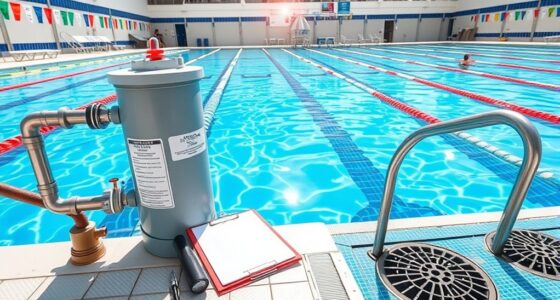
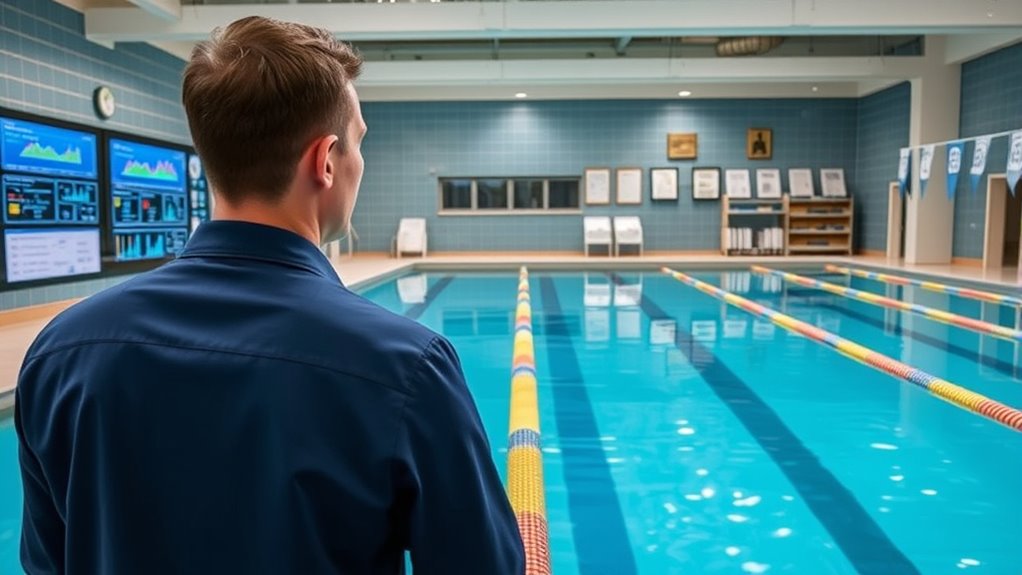
Have you ever wondered what it takes to guarantee a swimming pool stays safe and clean? The key lies in understanding and managing water chemistry effectively. As a pool operator, your responsibility is to maintain the proper balance of chemicals to prevent bacteria growth, algae, and other contaminants. This involves regularly testing water pH, chlorine levels, alkalinity, and stabilizer levels. When these elements are in sync, your pool becomes a safe environment for swimmers and minimizes health risks. You’ll need to learn how to interpret test results accurately and adjust chemical dosages accordingly. Proper water chemistry control isn’t a one-time task; it’s an ongoing process that requires vigilance and precision. That’s why certification programs emphasize training on maintaining ideal water balance, ensuring you’re equipped to prevent issues before they escalate.
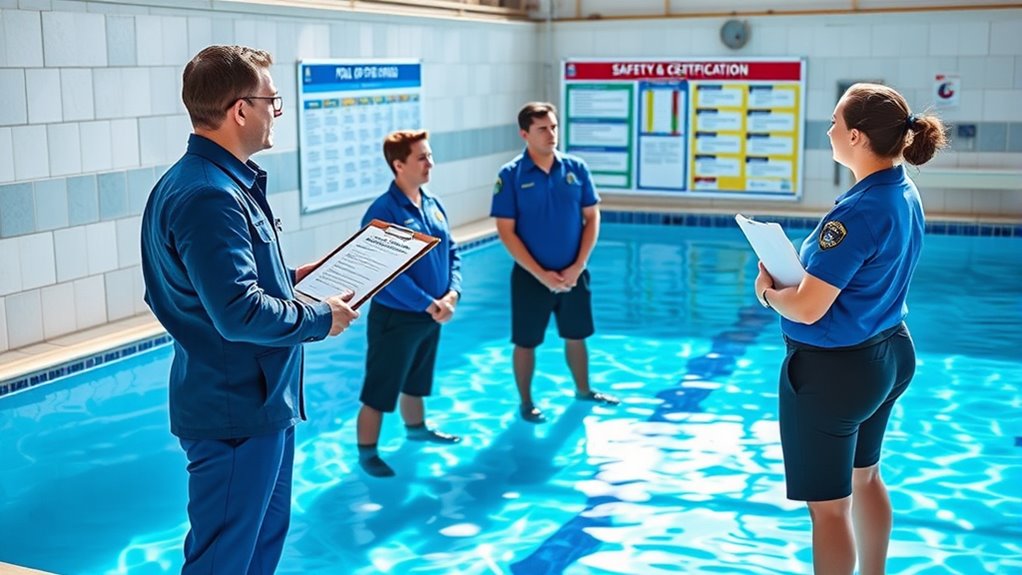
Along with mastering water chemistry, understanding and implementing safety procedures is critical. As a pool operator, you’re entrusted with ensuring the safety of every swimmer. This means knowing how to properly operate safety equipment, such as rescue tools and emergency alarms, and ensuring they’re in good working order. It also involves establishing clear safety protocols, like monitoring water conditions and enforcing rules on pool usage. Regularly inspecting the pool area for hazards, such as slippery surfaces or damaged fencing, helps prevent accidents. Certified training programs often include modules on emergency response procedures, teaching you how to handle incidents swiftly and effectively. Knowing CPR and first aid can be lifesaving, so certifications usually incorporate these skills into their curriculum.
Ensuring safety involves operating equipment properly, establishing protocols, inspecting hazards, and mastering emergency response skills like CPR and first aid.
To be a competent pool operator, you need to stay updated on safety standards and legal requirements. This includes understanding local health codes, OSHA regulations, and industry best practices. Your training will also cover documentation procedures—keeping detailed records of chemical treatments, inspections, and maintenance activities. These records are essential in demonstrating compliance during health inspections or incident investigations. The importance of understanding water chemistry and its impact on pool safety cannot be overstated. The certification process ensures you’re not only knowledgeable about water chemistry but also confident in applying safety procedures under pressure. By leveraging this training, you can create a safe, inviting environment for swimmers while protecting yourself from liability.
In essence, becoming a certified pool operator means mastering a combination of technical skills and safety practices. Your ability to manage water chemistry accurately and implement safety procedures effectively is what keeps pools clean, safe, and enjoyable. Certification programs are designed to give you the knowledge and confidence needed to handle these responsibilities professionally. With the right training, you’ll be prepared to address everyday challenges and respond appropriately to emergencies, ensuring that every swim is a safe experience for everyone involved.
pool water test kits
As an affiliate, we earn on qualifying purchases.
As an affiliate, we earn on qualifying purchases.
Frequently Asked Questions
How Often Are Recertification Courses Required?
You need to complete recertification courses every three years to stay current. Recertification intervals are set to guarantee you keep up with the latest safety standards and best practices. During this time, engaging in continuing education helps you expand your knowledge and skills. By following these recertification requirements, you demonstrate your commitment to maintaining a safe and well-operated pool, ensuring compliance with regulations and protecting pool users.
Are Online Training Programs Accepted for Certification?
Yes, online coursework is accepted for certification, but it depends on your state’s regulations. You need to verify if the certification validity from online programs meets local standards. Online training offers flexibility, convenience, and thorough learning, making it easier to stay current. While it provides essential knowledge, ensure the program is recognized by your certifying authority to maintain valid certification and confidently operate your pool safely and effectively.
What Are the Costs Associated With Certification Programs?
The costs for certification programs vary, typically ranging from $50 to $300, depending on the provider. You should do a cost comparison to find the best value. Keep in mind, program flexibility affects price—more flexible online options might cost slightly more but offer convenience. Investing in a reputable program guarantees you meet standards, so weigh the costs against the benefits of quality training and certification that suits your schedule.
Do Certifications Expire or Need Renewal?
Yes, certifications for pool operators typically expire and require renewal. Certification validity varies by program, often lasting one to three years. You need to follow renewal procedures, which may include completing continuing education credits or re-taking exams. Staying current guarantees you remain compliant with regulations and maintain your professional credentials. Check your specific certification’s guidelines to understand renewal procedures and ensure your certification stays valid and up-to-date.
Are There Different Requirements for Residential vs. Commercial Pool Operators?
Did you know that nearly 80% of pool accidents relate to poor maintenance or safety lapses? As a pool operator, you must meet different requirements for residential and commercial pools. Commercial pool operators typically need more extensive training and certifications due to stricter safety and maintenance standards. Your role is vital in ensuring pool safety and adherence to regulations, so understanding these distinctions helps you provide safe, reliable aquatic environments.
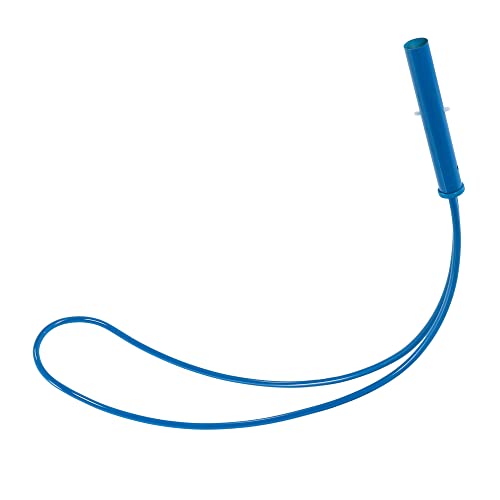
U.S. Pool Supply Swimming Pool Safety Hook – Emergency Life-Saving Rescue Equipment, Help Struggling, Drowning Swimmers, Teaching Preserver – Strong Aluminum Alloy, Attaches to 1-1/4" Telescopic Poles
A durable, sturdy swimming pool safety hook is made with high-quality strong aluminum alloy for extra strength. A…
As an affiliate, we earn on qualifying purchases.
As an affiliate, we earn on qualifying purchases.
Conclusion
Getting certified and trained as a pool operator is your ticket to keeping the water safe and sparkling. With the right knowledge, you’ll be ahead of the game and avoid trouble down the line. Remember, knowledge is power, and in this case, it’s also peace of mind. Don’t wait until problems surface—stay proactive and on top of your game. After all, a well-trained operator keeps the pool running smoothly and the worries at bay.

HaiChao CPR Rescue Lifesaver Board-EMS Medical First Aid Supplies Cardiac Board-Home Pool CPR Easy Patient Lifting Portable Lightweight Recessed Handle Lifesaver CPR Board(Orange)
CPR TRAINING & ADMINISTRATION – A hard, level surface is required to perform proper CPR chest compressions. When…
As an affiliate, we earn on qualifying purchases.
As an affiliate, we earn on qualifying purchases.
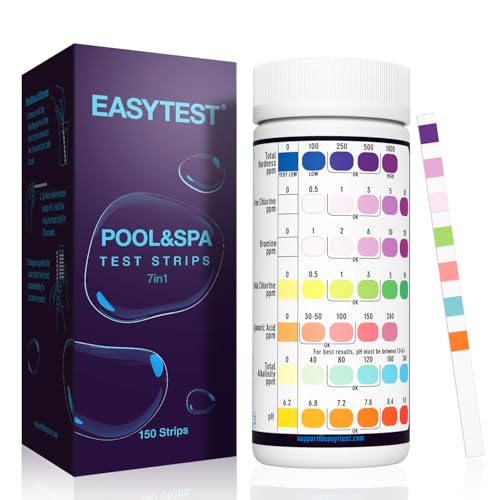
EASYTEST 7-Way Pool Test Strips, 150 Strips Water Chemical Testing for Hot tub and Spa, Accurate Test Bromine, Total Alkalinity, pH, Free Chlorine, Total Hardness, Cyanuric Acid, and Total Chlorine
AFFORDABLE 150 STRIPS: This water chemical testing kit contains 150 test strips. Enough balanced for your swimming pool,…
As an affiliate, we earn on qualifying purchases.
As an affiliate, we earn on qualifying purchases.