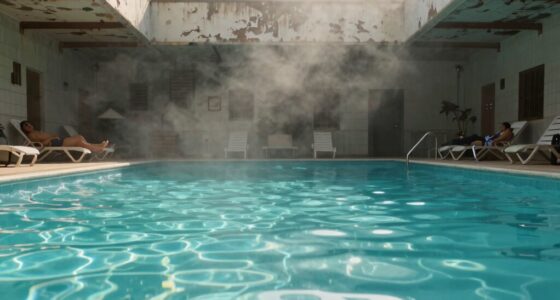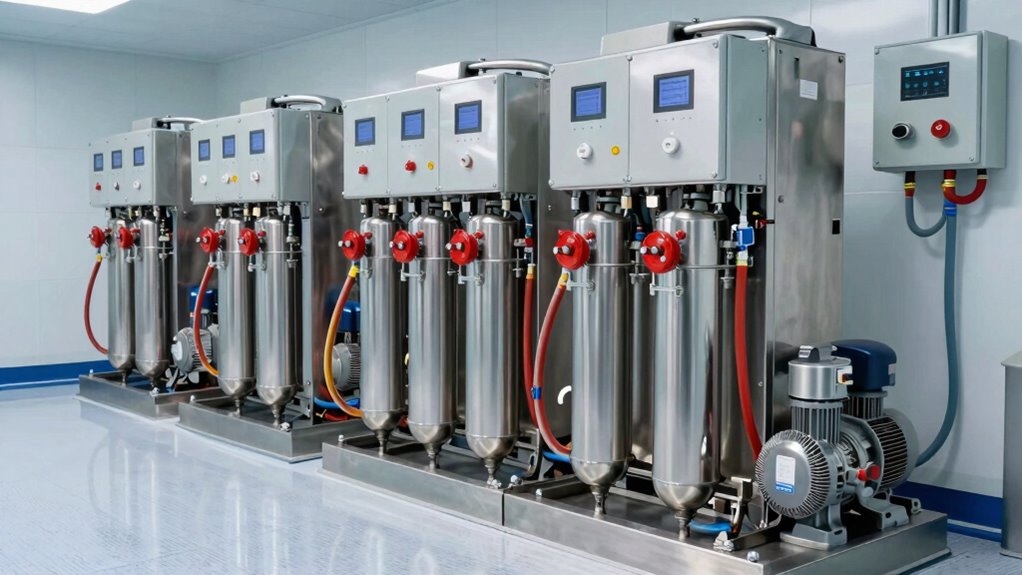

To think about redundancy in commercial pool equipment, focus on ensuring reliable operation and safety by planning backup systems for critical components like pumps, filters, and chemical controllers. Regular maintenance and routine checks help prevent failures, while investing wisely in backup units reduces costly downtime. Balance costs and benefits by choosing enough backups to keep things running smoothly without overspending. If you want to learn how to optimize your redundancy approach, consider exploring further strategies.
Listen free for 30 days with Audible
Thousands of audiobooks and originals — cancel anytime.
As an affiliate, we earn on qualifying purchases.
Key Takeaways
- Prioritize critical components like pumps and filtration for backup to ensure continuous water quality and safety.
- Balance the cost of redundancy with potential downtime and safety risks to optimize investment.
- Incorporate routine maintenance and staff training to facilitate quick equipment swaps during failures.
- Conduct system reliability analysis to identify where redundancy provides the greatest benefit.
- Develop a comprehensive plan for rapid transition and spare parts inventory to minimize disruption.
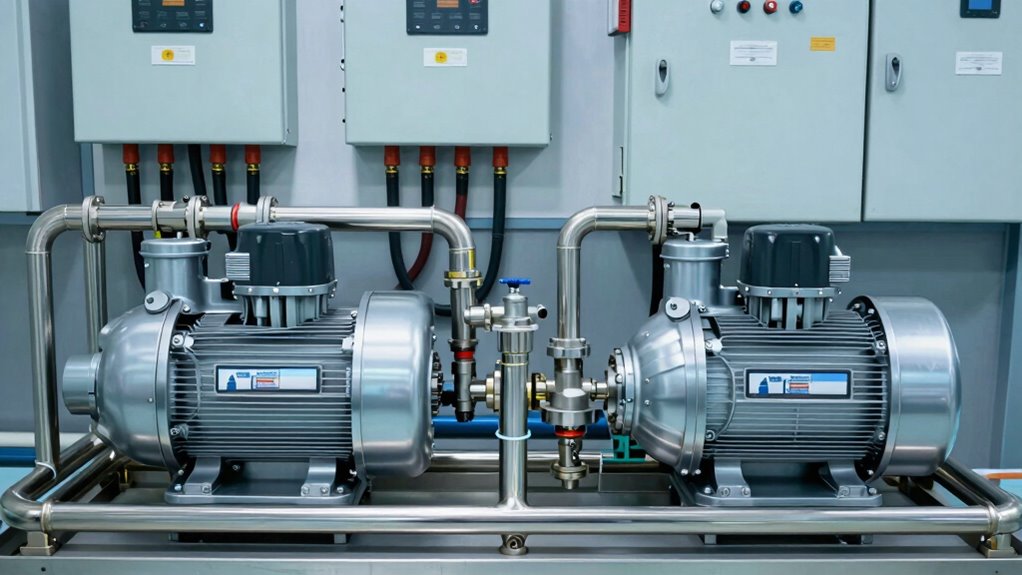
Redundancy in commercial pool equipment isn’t just a safety measure—it’s a critical component of reliable operation. When you’re managing a commercial pool, you need to ensure that the water treatment system runs smoothly at all times. This means planning for equipment failures and unexpected disruptions long before they happen. That’s where maintenance planning becomes essential. You should schedule routine inspections and preventative maintenance for your pumps, filters, and chemical feeders. Regular checks help you identify potential issues early, reducing downtime and preventing costly repairs. When you incorporate redundancy into your maintenance planning, you’re not just reacting to failures—you’re proactively avoiding them. Incorporating biodiversity and sustainable practices into your overall facility management can also enhance environmental resilience and operational efficiency.
Proactive maintenance and redundancy ensure reliable, uninterrupted commercial pool operation and safety.
Cost analysis plays a vital role in deciding how much redundancy you should invest in. While adding backup equipment might seem expensive upfront, it often saves money in the long run by preventing operational shutdowns. You need to weigh the costs of installing and maintaining additional equipment against the potential losses from system failure—like water quality issues, safety risks, or regulatory fines. Analyzing these costs helps you make informed decisions about the level of redundancy necessary for your pool. Sometimes, investing in a second pump or backup filtration system is a small price to pay for peace of mind and uninterrupted operation. Incorporating system reliability into your decision-making process can further improve your overall equipment management. Additionally, understanding the cost-benefit analysis of redundancy helps clarify the most effective investment strategies.
When thinking about redundancy, consider the critical components that keep your pool running—pumps, chemical controllers, and filtration systems. For these, having backup units ready to go minimizes the risk of a total system shutdown. You should also think about how quickly you’d need to switch over if a failure occurs. The faster the transition, the less impact on water quality and user safety. Planning for such scenarios means not only having spare parts on hand but also training your staff on how to quickly swap or repair equipment. Effective maintenance planning makes this process seamless and minimizes operational disruptions.
Ultimately, your goal is to balance the costs and benefits of redundancy. You want enough backup systems to ensure reliable operation without overspending on unnecessary equipment. By carefully analyzing costs and developing a strategic maintenance plan, you can create a resilient system that keeps your commercial pool running smoothly, even when unexpected issues arise. Redundancy isn’t just about safety; it’s about safeguarding your investment and providing consistent, high-quality water experiences for your users.
commercial pool pump backup system
As an affiliate, we earn on qualifying purchases.
As an affiliate, we earn on qualifying purchases.
Frequently Asked Questions
What Are the Most Critical Components to Have Redundancy For?
You should prioritize redundancy for critical components like pumps, filters, and chemical feeders to guarantee system reliability. Having emergency backups for these parts minimizes downtime and keeps the pool safe and operational. By implementing redundancy, you reduce the risk of failure, ensuring continuous operation even during maintenance or unexpected issues. This proactive approach safeguards your investment and maintains a safe, clean environment for all users.
How Does Redundancy Impact Maintenance Schedules?
Redundancy can make your maintenance schedules more manageable and less stressful. When backup systems are in place, you’re less likely to experience unexpected shutdowns, which helps you plan routine checks more efficiently. Emergency protocols, supported by redundant equipment, guarantee smooth operation during unforeseen issues. While it might seem like extra work upfront, maintaining these systems actually streamlines your schedule, giving you peace of mind and reducing the risk of costly downtime.
What Are Cost Considerations for Implementing Redundancy?
Implementing redundancy involves higher upfront costs, but focusing on equipment durability can optimize expenses over time. You should consider the long-term benefits of reduced downtime and maintenance costs, which can justify the initial investment. By selecting durable, reliable equipment and planning for cost-effective redundancy, you guarantee your pool operates smoothly without frequent repairs, ultimately leading to better cost optimization and more efficient maintenance strategies.
How Do Redundancy Plans Vary by Pool Size?
Think of your pool as a symphony; larger pools demand a more intricate arrangement of backup systems to guarantee harmony. In bigger pools, you’ll need thorough redundancy in pumps, filters, and chemical feeders, akin to multiple instruments for a richer sound. Smaller pools, like solo performances, require fewer backup systems, focusing on essential equipment. Pool design influences these plans, assuring reliable operation regardless of size, and safeguarding your aquatic performance.
What Safety Protocols Are Linked to Redundant Equipment?
You prioritize safety protocols linked to redundant equipment by ensuring emergency preparedness plans are up-to-date and accessible. Regularly test backup systems to confirm equipment reliability, so you’re ready in case primary systems fail. Train staff on emergency procedures involving redundant equipment, and maintain clear signage. These steps help minimize risks, ensuring a swift response during equipment failure, and keep everyone safe while maintaining continuous pool operations.
pool filtration system spare parts
As an affiliate, we earn on qualifying purchases.
As an affiliate, we earn on qualifying purchases.
Conclusion
So, next time you plan your commercial pool setup, remember that redundancy isn’t just a backup; it’s a safeguard that keeps everything running smoothly—even when unexpected issues pop up. It’s funny how the smallest details, like an extra pump or spare filter, can make all the difference during a crisis. Embrace redundancy thoughtfully, and you’ll find that what seems like overkill today can save your day tomorrow—sometimes, just when you least expect it.
As an affiliate, we earn on qualifying purchases.
As an affiliate, we earn on qualifying purchases.
NFL season / tailgating Picks
team gear
As an affiliate, we earn on qualifying purchases.