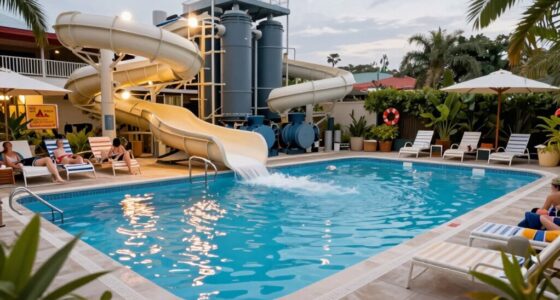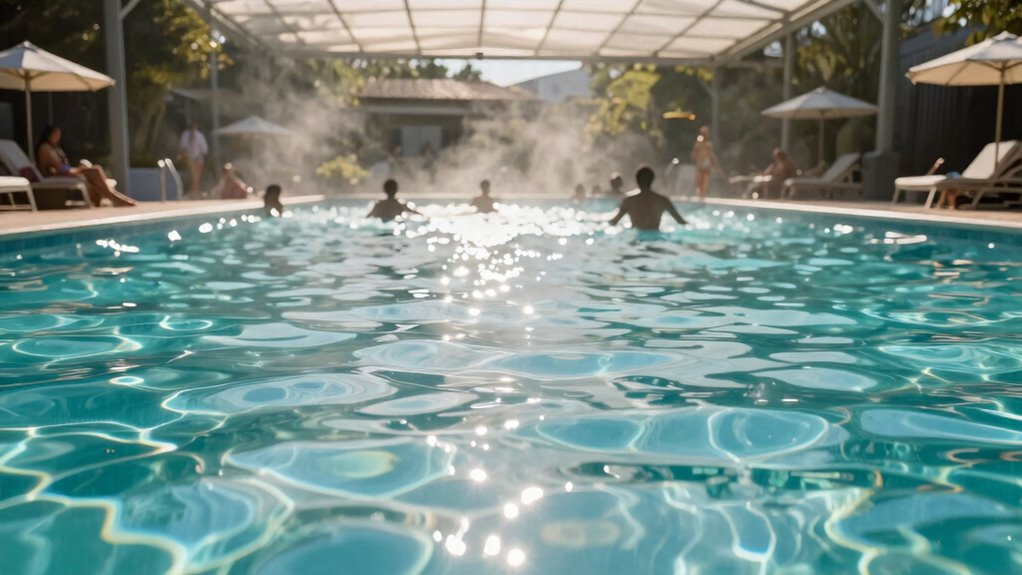
You might not realize it, but public pool air quality is often underrated because focus tends to be on water cleanliness rather than ventilation. Poor humidity control and inadequate chemical ventilation allow mold, bacteria, and airborne contaminants to thrive, leading to health risks like allergies and respiratory problems. Neglecting these factors can compromise indoor air safety and overall health for everyone. Keep exploring to discover how proper ventilation and humidity management can make a real difference in pool environments.

Get pool and patio gear delivered free — and shop member deals
- Fast, free delivery on millions of items
- Access to Prime Big Deal Days deals on October 6–7
- Prime Video, Amazon Music and more included
Key Takeaways
- Air quality issues often go unnoticed due to the focus on water cleanliness over ventilation and humidity control.
- Inadequate maintenance of ventilation systems allows airborne contaminants and mold to accumulate unnoticed.
- The impact of poor air quality on health is underestimated compared to visible water-related problems.
- Chemical ventilation and humidity management are overlooked, increasing risks of bacteria and mold growth.
- Lack of awareness and investment in comprehensive air quality management perpetuate the undervaluation of this facility aspect.
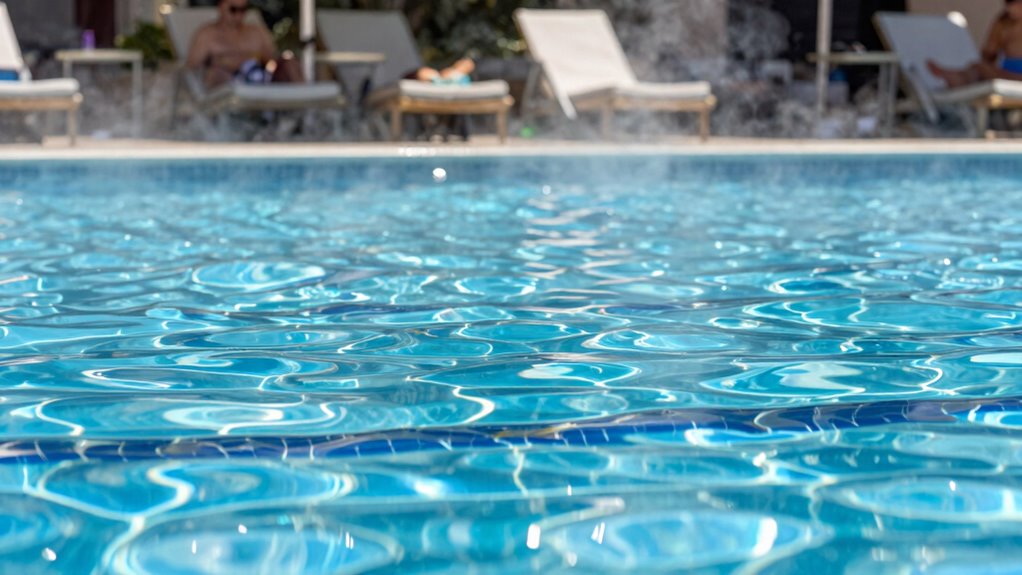
Indoor humidity is another critical aspect often overlooked. When humidity levels rise too high, moisture accumulates on surfaces, walls, and ceilings, creating an environment conducive to mold growth and bacteria. High humidity also makes the air feel heavy and oppressive, which can be uncomfortable and even hazardous for sensitive individuals. Excess moisture in the air can impair respiratory health, especially for children, the elderly, or those with pre-existing conditions. Proper humidity control isn’t just about comfort; it’s about maintaining a healthy indoor environment. Many facilities fail to monitor or regulate humidity effectively, leading to persistent dampness that worsens air quality over time. Dehumidifiers and good ventilation work hand-in-hand to keep indoor humidity in check, but these solutions are often neglected or under-maintained. Additionally, chemical ventilation plays a crucial role in dispersing airborne contaminants, further emphasizing the need for comprehensive air quality management. The combination of inadequate chemical ventilation and poor humidity control underscores why indoor pool air quality remains an underrated facility issue. Facility managers tend to prioritize water quality and safety, but the air quality deserves equal attention. Implementing proper humidity management can significantly reduce the risk of mold and bacteria growth, improving overall air safety. Neglecting this aspect puts patrons at risk of respiratory issues, allergies, and other health problems. Regular maintenance of ventilation systems and humidity controls is vital to prevent airborne contaminants from accumulating and affecting health. Clear, consistent maintenance of ventilation systems and humidity controls isn’t just a matter of comfort; it’s essential for safeguarding public health. If more people knew about these hidden dangers, there might be greater pressure on pool operators to invest in better air quality management. Ultimately, addressing air quality isn’t just about making pools more pleasant—it’s about ensuring everyone can enjoy a safe, healthy environment every time they swim.
As an affiliate, we earn on qualifying purchases.
Frequently Asked Questions
How Often Are Public Pool Air Quality Tests Conducted?
You should expect public pool air quality tests to be conducted regularly, often weekly or bi-weekly. During these tests, staff check air circulation systems and monitor chemical fumes like chlorine vapors, which can impact safety and comfort. Proper testing guarantees that air quality remains within safe limits, preventing health issues. Staying vigilant and guaranteeing consistent testing helps maintain a healthy environment for swimmers and staff alike.
What Are the Health Risks of Poor Pool Air Quality?
Imagine inhaling a cloud of airborne contaminants swirling in the pool area, making your lungs feel heavy and irritated. Poor pool air quality can cause respiratory symptoms like coughing, wheezing, and throat irritation. Over time, exposure increases your risk of asthma or other respiratory illnesses. You might not see the danger, but these invisible pollutants silently threaten your health, especially with frequent visits to the pool.
Can Ventilation Systems Effectively Improve Pool Air Quality?
Ventilation systems can effectively improve pool air quality by enhancing air circulation and controlling odors. When properly designed and maintained, they reduce humidity, eliminate chloramine fumes, and prevent the buildup of airborne contaminants. This results in a healthier environment for swimmers and staff. You should guarantee the system is regularly inspected and adjusted to optimize airflow and odor control, creating a safer, more comfortable pool experience.
Are There Regulations for Air Quality Standards in Pools?
Imagine walking into a pool facility where you notice the strong smell of chemical fumes and feel the indoor humidity thickening. Regulations do exist, setting standards for air quality, including limits on chemical fumes and humidity levels. For example, some jurisdictions require ventilation systems to control indoor humidity and reduce chemical vapors, ensuring a safer environment. These regulations aim to protect swimmers and staff from health risks associated with poor air quality.
How Can Swimmers Identify Poor Air Quality While Swimming?
You can spot poor air quality while swimming by paying attention to your breathing—if you notice it becoming labored or stale, it might be a sign. Some pools have air quality sensors that monitor pollutants and humidity levels; if these sensors detect issues, they often trigger alerts. Trust your senses and check for any unusual smells or sensations of stuffiness, which indicate it’s time to take a break and guarantee safe breathing.
dehumidifier for indoor pool area
As an affiliate, we earn on qualifying purchases.
As an affiliate, we earn on qualifying purchases.
Conclusion
Think of a public pool as a lively garden; if the air isn’t healthy, the vibrant blooms can’t thrive. When you overlook air quality, it’s like planting seeds in rocky soil—nothing grows well. By paying attention to the air, you’re tending to the hidden roots of safety and comfort. Don’t let poor air quality be the silent weed choking your pool’s true beauty. Instead, nurture it, and watch your aquatic oasis flourish.
ventilation system for public pools
As an affiliate, we earn on qualifying purchases.
As an affiliate, we earn on qualifying purchases.
As an affiliate, we earn on qualifying purchases.
Fall Picks
fall essentials
As an affiliate, we earn on qualifying purchases.