To improve safety, hygiene, and efficiency, semi-public pools should adopt practices from large municipal facilities. This includes implementing secure access controls, regular water quality testing, and strict maintenance routines. Investing in staff training and safety policies can also reduce risks. These measures boost user confidence and create a safer environment. Keep exploring to discover how these strategies can transform your pool into a trusted, community-focused space.
Listen free for 30 days with Audible
Thousands of audiobooks and originals — cancel anytime.
As an affiliate, we earn on qualifying purchases.
Key Takeaways
- Implement strict access control and membership systems to manage crowding and ensure safety.
- Follow rigorous water quality testing, cleaning routines, and modern treatment technology for hygienic conditions.
- Invest in continuous staff training focused on safety protocols and emergency response procedures.
- Maintain high standards of equipment inspection and preventative maintenance to prevent failures.
- Adopt transparency and operational practices that build community trust and enhance overall safety and service quality.
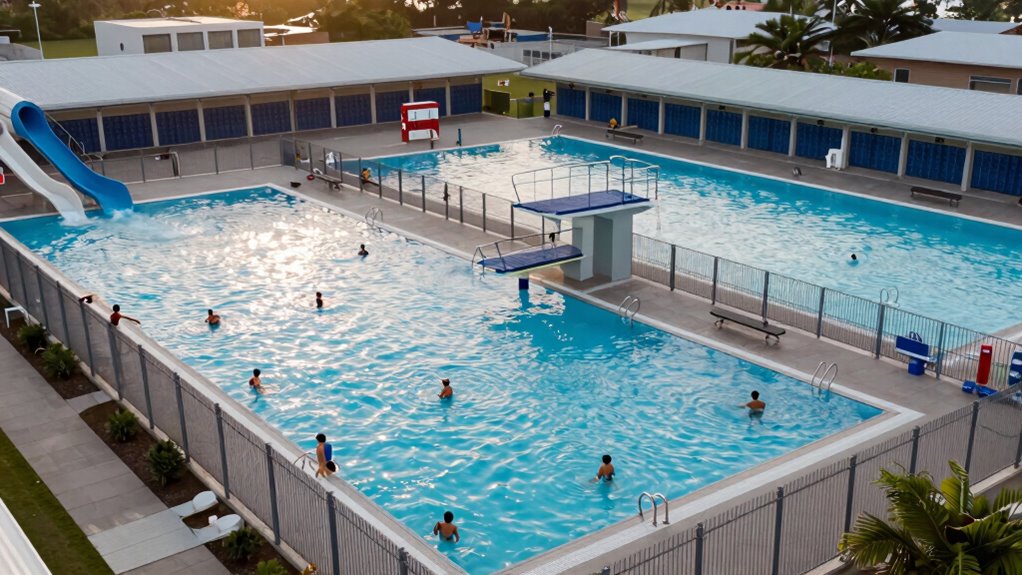
Semi-public pools and municipal facilities serve as valuable community resources that offer accessible recreational opportunities for residents. These facilities often become central spots for social interaction, exercise, and relaxation. While they provide many benefits, they also face unique challenges that smaller semi-public pools can learn from to improve safety, efficiency, and customer experience. One key aspect is understanding the significance of private access. Large municipal pools typically implement strict control over who can enter, often through membership systems or designated access points. This not only helps manage crowding but also enhances safety by ensuring that only qualified staff and authorized individuals are present. Smaller semi-public pools should consider adopting similar measures, such as secure entry systems or membership requirements, to better regulate access and prevent overcrowding, which can compromise safety and cleanliness. Additionally, municipal pools often utilize access control systems to streamline entry and monitor attendance effectively.
Smaller pools can improve safety and cleanliness by adopting private access controls and membership systems.
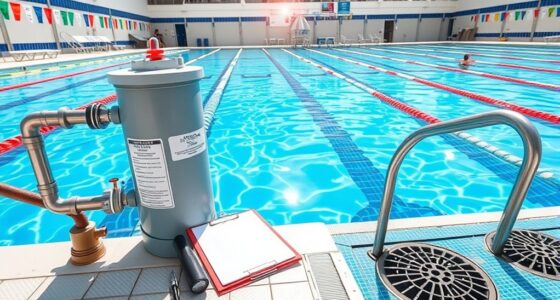
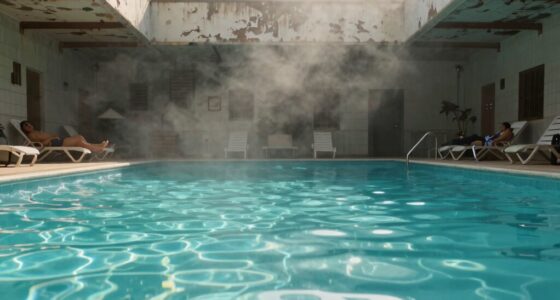
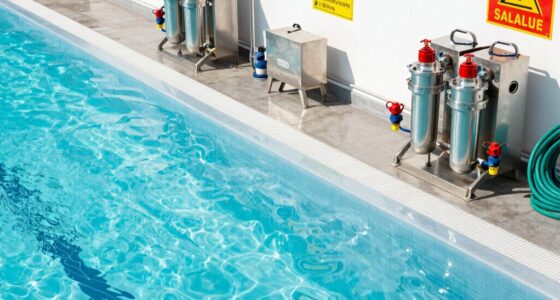
Another lesson from large municipal facilities involves maintaining high standards of maintenance. Municipal pools are often held to rigorous maintenance standards that include regular water quality testing, routine cleaning, and equipment inspections. These standards ensure a safe and hygienic environment, which is vital for public health. Semi-public pools, especially those run by private organizations or local businesses, can sometimes overlook the importance of strict maintenance protocols. By adopting the same meticulous standards, they can reduce the risk of waterborne illnesses, equipment failures, and unsightly conditions that discourage usage. Routine checks and timely repairs are essential components of this approach, helping to preserve the pool’s longevity and safety. Moreover, investing in modern water treatment technology can further enhance water quality and reduce chemical use, benefitting both users and the environment. Recognizing the importance of public health standards is also crucial for ongoing compliance and community trust. Incorporating preventative maintenance practices can further minimize unexpected issues and operational disruptions. Implementing a comprehensive maintenance plan that includes scheduled inspections and staff accountability can significantly improve overall performance and safety.
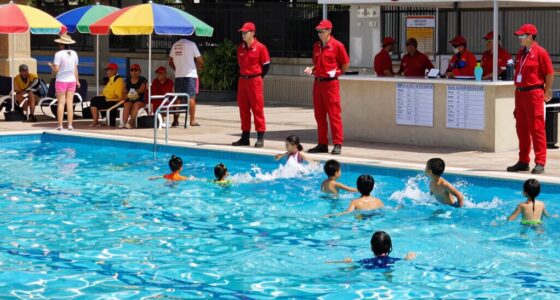
Furthermore, municipal pools often invest heavily in staff training to guarantee that lifeguards and maintenance personnel are well-versed in safety procedures and emergency response. They also enforce consistent safety policies, like clear signage, proper supervision, and well-established rules for pool use. Smaller facilities can benefit from this model by providing ongoing staff training and actively promoting safety awareness among users. This reduces accidents and creates a safer environment for everyone.
In essence, semi-public pools have much to learn from large municipal facilities. By tightening private access controls, upholding maintenance standards, and prioritizing staff training and safety policies, they can elevate the quality of their services. This not only boosts user confidence but also ensures the facility remains a safe, clean, and welcoming space for all residents. Emulating these practices helps smaller pools meet community expectations and operate more efficiently, ultimately making them more valuable community assets.
semi-public pool access control system
As an affiliate, we earn on qualifying purchases.
As an affiliate, we earn on qualifying purchases.
Frequently Asked Questions
How Do Funding Models Differ Between Semi-Public Pools and Municipal Facilities?
You’ll notice funding disparities between semi-public pools and municipal facilities, as semi-public pools often rely on community grants, memberships, or private sponsorships, limiting their financial stability. Municipal facilities usually benefit from government funding, taxes, and larger budgets. To succeed, semi-public pools should focus on increasing community engagement, which can attract more support and diversify funding sources, helping bridge the financial gap and sustain operations effectively.
What Safety Protocols Are Unique to Large Municipal Swimming Pools?
You’ll find that large municipal pools prioritize advanced safety protocols like rigorous lifeguard training and thorough emergency preparedness plans. These pools often run regular drills, ensuring staff can handle complex situations swiftly. Unique to them are protocols for mass emergencies, such as evacuations or chemical spills, which smaller pools might overlook. This focus on preparedness helps protect large crowds, making safety a top priority in every aspect of operation.
How Do User Capacity Limits Impact Service Quality?
User capacity limits directly influence your crowd management, ensuring the pool doesn’t become overcrowded. When you set clear limits, you improve the guest experience by reducing chaos and wait times, making visits more enjoyable. Properly managed capacity allows staff to monitor safety effectively and maintain cleanliness. Ultimately, controlling capacity helps you deliver higher quality service, creating a safe, comfortable environment where guests feel valued and more likely to return.
What Are the Staffing Requirements for Large Municipal Pools?
You know what they say, “A chain is only as strong as its weakest link.” For large municipal pools, staffing requirements hinge on proper ratios and certified lifeguards. Typically, you need enough lifeguards to uphold safety standards, with certifications like CPR and first aid. Adequate staffing guarantees smooth operations, prevents accidents, and enhances visitor experience, making your pool a safe, enjoyable place for everyone.
How Do Maintenance Schedules Vary Between Semi-Public and Municipal Pools?
You’ll find that semi-public pools often have less rigorous maintenance schedules compared to municipal pools. Large municipal facilities follow strict chemical regulation protocols and monitor water temperature closely to guarantee safety and compliance. Semi-public pools might not need such frequent checks, but you still should regularly test chemicals and adjust water temperature to sustain water quality. Consistent maintenance helps prevent issues and keeps swimmers safe, no matter the pool size.
water quality testing kits for pools
As an affiliate, we earn on qualifying purchases.
As an affiliate, we earn on qualifying purchases.
Conclusion
By adopting the operational standards and community-focused approach of large municipal pools, semi-public pools can thrive. Imagine transforming your pool into a vibrant community hub, like the case of Riverside Community Pool, which increased memberships by prioritizing safety, cleanliness, and engaging programs. When you learn from the best, you’ll foster a welcoming environment that keeps swimmers coming back. Embrace these lessons, and your pool can become a cherished centerpiece that strengthens community bonds.
pool maintenance and cleaning equipment
As an affiliate, we earn on qualifying purchases.
As an affiliate, we earn on qualifying purchases.
lifeguard safety training courses
As an affiliate, we earn on qualifying purchases.
As an affiliate, we earn on qualifying purchases.
NFL season / tailgating Picks
team gear
As an affiliate, we earn on qualifying purchases.