To decarbonize your pool operations for net-zero, start by switching to renewable energy sources like solar panels or wind turbines for powering pumps, filters, and heaters. Incorporate energy-efficient equipment and install pool covers to reduce water evaporation and heating needs. Additionally, conserve water by checking for leaks and using rainwater for top-ups. These strategies will help lower your environmental impact and save costs—exploring these options further can lead to a greener, more sustainable pool.
Key Takeaways
- Transition to renewable energy sources like solar and wind for powering pool systems to cut carbon emissions.
- Implement energy-efficient equipment and smart controls to reduce electricity consumption.
- Utilize water conservation techniques such as pool covers and rainwater collection to minimize resource use.
- Conduct regular leak checks and optimize filtration cycles to prevent water and energy wastage.
- Promote sustainable practices that integrate both energy and water savings for comprehensive decarbonization.

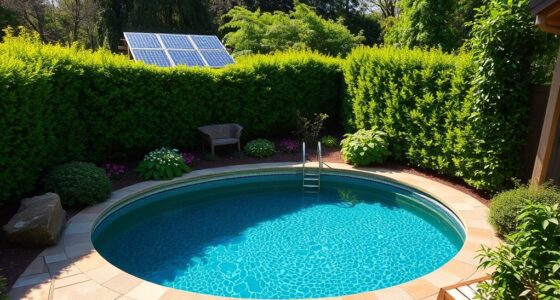
Have you ever considered how much energy pool operations consume and their impact on the environment? It’s easier to overlook, but these facilities can be substantial energy users, contributing to greenhouse gas emissions if powered by non-renewable sources. Thankfully, there are practical ways to decarbonize pool operations, starting with integrating renewable energy and prioritizing water conservation. Shifting to renewable energy sources like solar or wind power can drastically cut a pool’s carbon footprint. Installing solar panels on rooftops or nearby land allows you to harness free, clean energy to power filtration systems, pumps, and heating units. Not only does this reduce reliance on fossil fuels, but it also offers long-term cost savings. Wind turbines, where feasible, can supplement energy needs, especially in areas with consistent wind patterns. By moving to renewables, you’re actively decreasing greenhouse gas emissions associated with your pool’s operation. Additionally, utilizing energy-efficient equipment can further reduce overall power consumption and environmental impact.
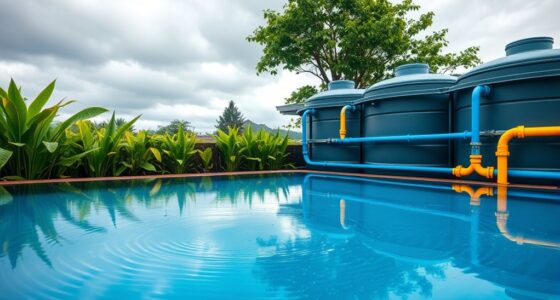
Water conservation is another critical aspect that often goes unnoticed. Pools typically require a substantial amount of water for both filling and ongoing maintenance. Implementing smart water management practices can considerably reduce water consumption. For example, using covers when the pool isn’t in use minimizes evaporation, which can account for a large percentage of water loss. Regularly checking for and repairing leaks ensures water isn’t wasted unknowingly. Additionally, optimizing filtration cycles can save both water and energy. Instead of running filters continuously, programming them to operate only when necessary conserves water while reducing electricity use. Collecting rainwater for pool top-ups is another effective strategy, making use of natural resources rather than relying solely on municipal water supplies. These water conservation efforts not only help protect local water resources but also contribute to lowering the overall environmental impact of your pool operations.
Taking these steps shows a clear commitment to sustainability. By investing in renewable energy and practicing water conservation, you diminish your pool’s carbon footprint considerably. These strategies often go hand-in-hand, as reducing energy consumption through renewables naturally lessens water heating needs, and conserving water lessens the energy required for pumping and filtration. As you work toward decarbonizing your pool, remember that even small changes can create a ripple effect, inspiring others in your community to adopt eco-friendly practices. The transition might require upfront investments or adjustments, but the environmental and financial benefits pay off in the long run. Ultimately, making your pool operation more sustainable isn’t just about compliance or cost savings—it’s about doing your part to protect the planet for future generations while enjoying the many benefits of a greener, cleaner pool.
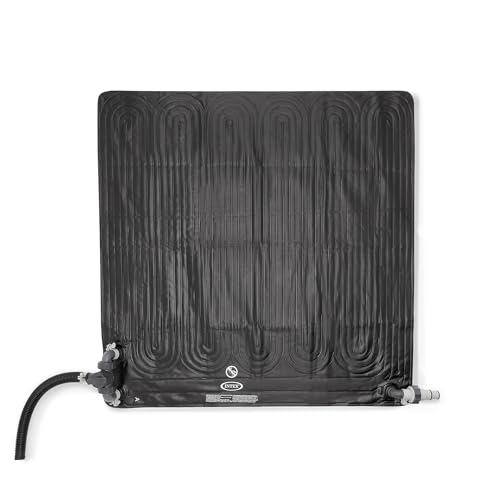
Intex 28685E 47 Inch x 47 Inch Solar Pool Water Heater Mat for 8,000 Gallon Above Ground Swimming Pool with Hose Attachment and Adaptors, Black
Solar heater mat uses solar technology to increase the temperature of the pool water by approximately 5 to…
As an affiliate, we earn on qualifying purchases.
As an affiliate, we earn on qualifying purchases.
Frequently Asked Questions
What Are the Initial Costs of Implementing Decarbonization Strategies?
The initial costs of implementing decarbonization strategies vary, but typically, you should conduct a thorough cost analysis to understand expenses. Your investment planning should account for new energy-efficient equipment, renewable energy sources, and system upgrades, which can be substantial upfront. While the initial investment might seem high, consider potential savings on energy bills and incentives that can offset costs over time. Proper planning guarantees a smoother progression to greener operations.
How Do Seasonal Changes Impact Decarbonization Efforts?
Seasonal variability can dramatically influence your decarbonization efforts, making climate adaptation essential. During colder months, you’ll face increased energy demands for heating, while warmer seasons may boost evaporation rates, requiring more water and chemical use. These fluctuations can hinder consistent progress toward net-zero, so you need flexible strategies that adapt to seasonal changes. Embracing climate adaptation helps you optimize energy efficiency year-round, ensuring your decarbonization goals stay on track regardless of the season.
What Are the Best Renewable Energy Sources for Pool Operations?
You should consider solar heating and wind power as your top renewable energy sources for pool operations. Solar heating efficiently captures sunlight to warm your pool, reducing reliance on fossil fuels. Wind power can generate electricity to run pumps and filters sustainably. Combining these options allows you to maximize renewable energy use, lower carbon emissions, and move closer to achieving a net-zero operation while saving on long-term energy costs.
How Can Pool Operators Monitor and Verify Emissions Reductions?
You can monitor and verify emissions reductions by implementing robust emissions tracking and verification protocols. Start by systematically recording energy use, water temperature, and chemical consumption. Use smart sensors and data management tools to gather real-time data, then regularly review this information against established benchmarks. This approach guarantees transparency, accuracy, and accountability, allowing you to confidently demonstrate progress toward your net-zero goals and make informed adjustments as needed.
Are There Government Incentives for Adopting Green Pool Technologies?
Yes, you can benefit from government grants and tax credits when adopting green pool technologies. These incentives are designed to make sustainable upgrades more affordable, encouraging you to invest in energy-efficient equipment and renewable energy sources. By taking advantage of these programs, you reduce your upfront costs and support your journey toward net-zero emissions, making your pool operation more environmentally friendly and cost-effective in the long run.
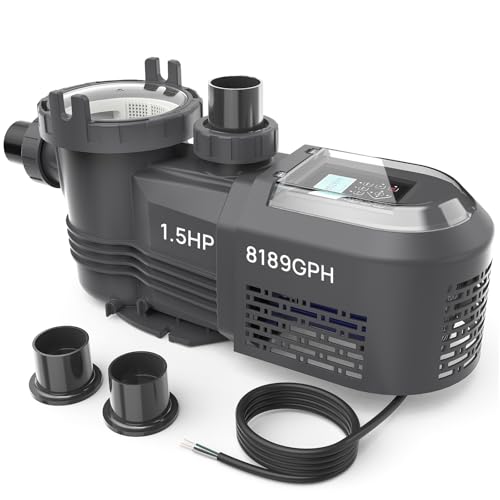
Aquastrong Variable Speed Pool Pump In/Above Pool Pump Energy Efficient High Flow Powerful Self Primming Swimming Pool Pumps with Filter Basket,Dark Black
Energy-Saving Design: Utilizing variable speed technology, our pump reduces energy consumption by up to 80% compared to traditional…
As an affiliate, we earn on qualifying purchases.
As an affiliate, we earn on qualifying purchases.
Conclusion
By embracing these decarbonization strategies, you’re turning your pool into a shining example of sustainability. Think of it as steering a ship toward greener waters—every eco-friendly change you make helps cut emissions and preserve our planet’s beauty. With proactive steps, you’re not just maintaining a pool; you’re championing a cleaner, healthier future. So plunge in, lead the way, and make waves in the fight against climate change.
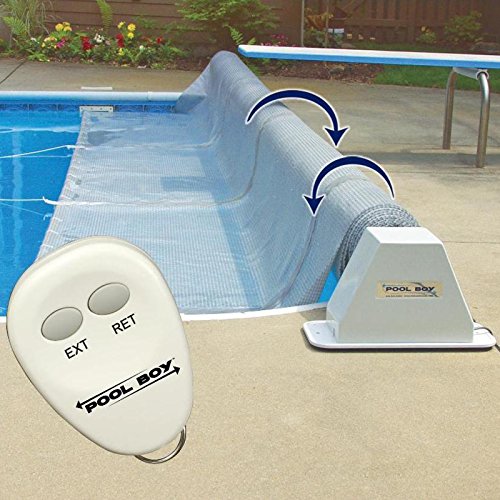
Pool Boy 1 Powered Pool Solar Blanket Reel – Extends and Retracts on The Click of a Button – Works on Inground Pools Up to 20 Feet Wide and 40 Feet Long – Made in The USA – 3 Year Prorated Warranty
Pool Boy I has an adjustable hub from 4"-9" and includes stand covers Pool Boy II has a…
As an affiliate, we earn on qualifying purchases.
As an affiliate, we earn on qualifying purchases.

Anivia Rainwater Collection System, Rain Barrel Diverter Kit Fits for 2×3 or 3×4 Inch Standard Downspouts, Downspout Diverter with Adjustable Valve and Filter. 5ft Hose (White)
Enhanced Filtering System:Say goodbye to clogged rainwater collection systems! Our system is equipped with a removable filter window…
As an affiliate, we earn on qualifying purchases.
As an affiliate, we earn on qualifying purchases.