TL;DR

Get pool and patio gear delivered free with Prime
- Fast, free delivery on millions of items
- Prime Video, Amazon Music and more included
- Member-only deals all year
A Homes & Gardens report identifies tender annuals, dahlias and warm-season vegetables among plants at risk when an early frost arrives. Experts quoted in the report recommend breathable covers secured to the ground, with supports for delicate flowers, and checking local overnight forecasts.
A Homes & Gardens report has identified five groups of plants that gardeners may need to protect when an early fall frost threatens: tender annuals, late-season dahlias, warm-season vegetables, tender herbs and other frost-sensitive plants still growing outdoors. Experts quoted in the report advise using breathable coverings and watching overnight forecasts, because frost can form on plants even when the official air temperature remains a few degrees above freezing.
The plants named in the report include coleus, impatiens, begonias and zinnias, alongside basil, dahlias and warm-season crops such as tomatoes, peppers, eggplants, cucumbers, squash and beans. Their sensitivity varies: the report says some annuals and basil can suffer chilling injury before temperatures reach freezing, while a frost can blacken dahlia foliage and end its flowering season.
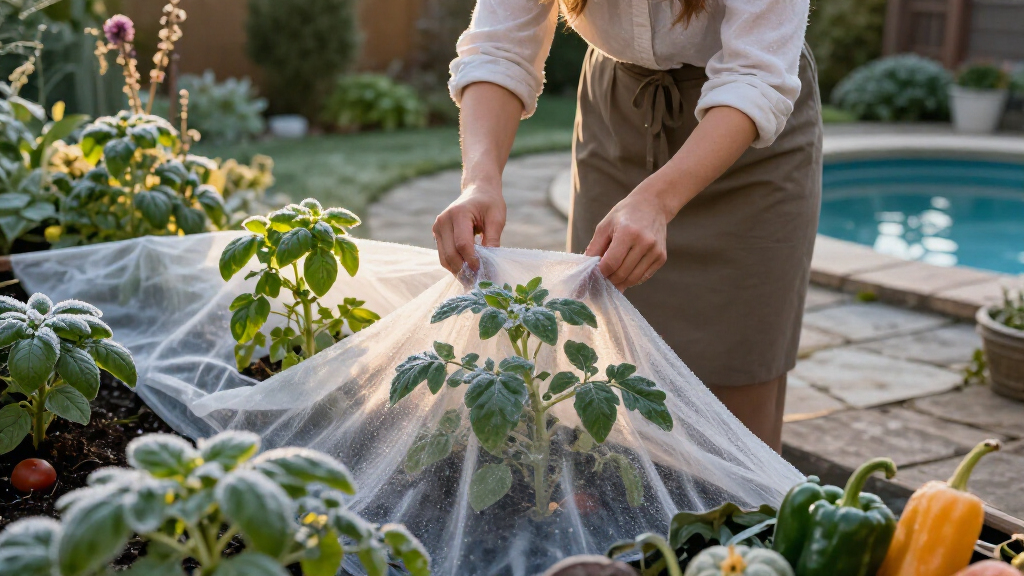
Landscape designer Kat Aul Cervoni, founder of Staghorn Living, recommends lightweight frost cloth or horticultural fleece to protect tender plants before frost. An old bedsheet can serve as a temporary alternative, she says, if it is draped to the ground and secured around the edges so it can hold warmth rising from the soil. Cervoni cautions against plastic placed directly on foliage, which can transfer cold where it touches and may cause plants to overheat after sunrise.
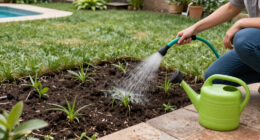
For flowers and other delicate plants, Cervoni suggests using stakes or hoops to keep fabric from crushing stems. Covers should go on before temperatures fall in the evening and come off after temperatures rise above freezing in the morning. The report also says moderately moist soil retains heat better than very dry soil; watering a dry bed earlier in the day before a predicted frost may help.
Protecting Crops Before Temperatures Fall
An early frost can shorten the season for ornamental flowers and edible crops that are still growing during an otherwise warm fall. For home gardeners, the immediate consequence may be lost blooms or damaged produce; covering vulnerable plants can give them a chance to remain in place longer. The advice is especially relevant to warm-season vegetables, which the report describes as generally unable to tolerate freezing temperatures.
Timing and placement matter. Cervoni says frost may form on plant surfaces when the official air temperature is a few degrees above freezing. Cold air also tends to settle at lower elevations, so gardens in valleys or at the bottom of slopes may face more exposure than plants higher up. Walls and other site features can create warmer or cooler microclimates, meaning one forecast reading may not reflect conditions across every part of a garden.
Products Worth Considering

Dyson Ball Animal 2 Plus Corded Vacuum

Samsung 42-Inch Class OLED S90F 4K Smart TV (2025)

Samsung 48-Inch S90H OLED 4K Smart TV (2026)
As an affiliate, we earn on qualifying purchases.
How Frost Risk Varies by Garden
The report says signs of frost damage can include darkened, water-soaked, limp or translucent foliage, which may later turn brown or black. These symptoms are presented as indicators after a frost, rather than a forecast method. Gardeners should watch local overnight temperatures and assess conditions at the plants themselves.
Kate Copsey, author of New York & New Jersey Gardening, says frost cloth, sheets or a cold frame can usually protect plants when air temperatures are above 30°F. She describes frost between 30°F and 32°F as less severe and often spotty. The advice is not a guarantee of protection: outcomes depend on the plant, the site and conditions during the cold spell.
The report distinguishes plants that are often vulnerable from those that may be more frost-tolerant. New England asters, goldenrod and sedum may survive an early fall frost, while dahlias are singled out as vulnerable even when still flowering in October. The source material also names five plant categories in its headline, but the supplied text cuts off during its discussion of warm-season vegetables, so it does not provide full detail on all five.
“I start paying attention when overnight temperatures are forecast to fall into the mid-30s, since frost can form on plant surfaces even when the official air temperature is a few degrees above freezing.”
— Kat Aul Cervoni, landscape designer and founder of Staghorn Living, as quoted by Homes & Gardens
Limits of the Frost Advice
The source does not give a location-specific forecast or identify a frost event affecting a particular region. Frost timing, severity and plant damage therefore remain dependent on local weather and garden conditions. The temperatures cited are expert guidance from the report, not a universal threshold for every species or site.
The supplied source text ends partway through its warm-season vegetable section. It does not show the remainder of that discussion or spell out all five plant types promised in the headline. The report’s available material supports advice about annuals, dahlias and warm-season vegetables, but readers should not assume it provides a complete list or a complete crop-by-crop protection guide.
Check Forecasts and Cover Plants
Gardeners can check their local overnight forecast and inspect colder spots in their yard, especially low areas where cold air may collect. If frost is expected, the report’s experts recommend covering susceptible plants before evening temperatures fall, securing breathable fabric at ground level and supporting it above delicate foliage. Remove covers the following morning after temperatures rise above freezing.
Further action depends on the forecast and the plants involved. The report does not provide a date for a particular frost, nor does it announce a follow-up or official advisory. Gardeners should treat the suggestions as general precautions and adjust them to local conditions and plant needs.
Key Questions
Which plants does the report identify as vulnerable to early frost?
It names tender annuals such as coleus, impatiens, begonias and zinnias; dahlias; and warm-season crops including tomatoes, peppers, eggplants, cucumbers, squash and beans. The supplied source text is incomplete, so it does not establish the full five-category list.
When should gardeners consider covering plants?
Cervoni says she pays attention when overnight forecasts fall into the mid-30s°F, because frost can form on plant surfaces above the air’s freezing point. The specific risk varies with local conditions and the plants in question.
What kind of cover can protect plants?
The experts cited recommend frost cloth, horticultural fleece, a sheet or a cold frame. Cervoni advises securing fabric to the ground and avoiding plastic directly against foliage.
Should plant covers stay on all day?
Cervoni advises putting covers on before temperatures fall in the evening and taking them off in the morning once temperatures rise above freezing. She recommends keeping the covered period as short as practical.
Source: homesandgardens.com