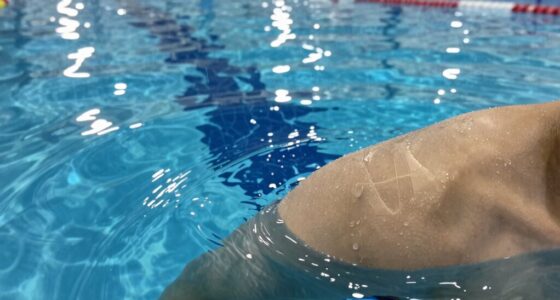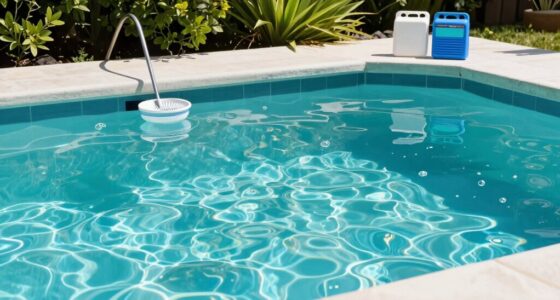
When public health agencies investigate recreational water illnesses, they look for signs of contamination in the water, such as bacteria or parasites, and review water treatment records for lapses. They interview affected individuals to find common activities and symptoms, collect water samples for testing, and assess environmental factors like recent weather or pollution sources. They also examine treatment processes and coordinate with local agencies to implement safety measures. If you want to understand how these investigations unfold, keep exploring the process.
Open a free Amazon Business account
Business pricing, bulk buying and tax-exempt orders.
As an affiliate, we earn on qualifying purchases.
Key Takeaways
- Identifying the source of contamination through water sampling and analyzing potential pathogen presence.
- Reviewing water treatment and disinfection processes for effectiveness and compliance.
- Collecting and analyzing data from affected individuals about symptoms, onset, and activities.
- Assessing environmental factors like weather, pollution sources, and water circulation patterns.
- Coordinating with agencies and implementing control measures such as facility closures or advisories.

Have you ever wondered how authorities track down the source of a waterborne illness? When a recreational water illness is reported, public health agencies spring into action, following a systematic process rooted in water safety protocols. These protocols are designed to quickly identify the cause, prevent further cases, and guarantee the safety of everyone who uses the water. Your role in understanding this process helps you grasp how these investigations protect public health.
The first step involves gathering detailed information about the outbreak. Public health officials interview those affected to understand their activities and symptoms, noting when symptoms began and how many people are involved. This data helps establish patterns and determine whether the illness is linked to a specific water source. During this phase, they also review records of the water facility, if applicable, to check for any violations or irregularities. Additionally, understanding water safety protocols is vital for ensuring comprehensive investigations.
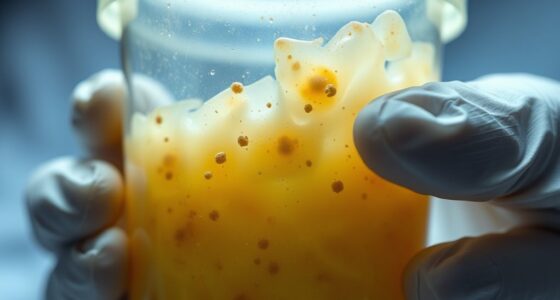
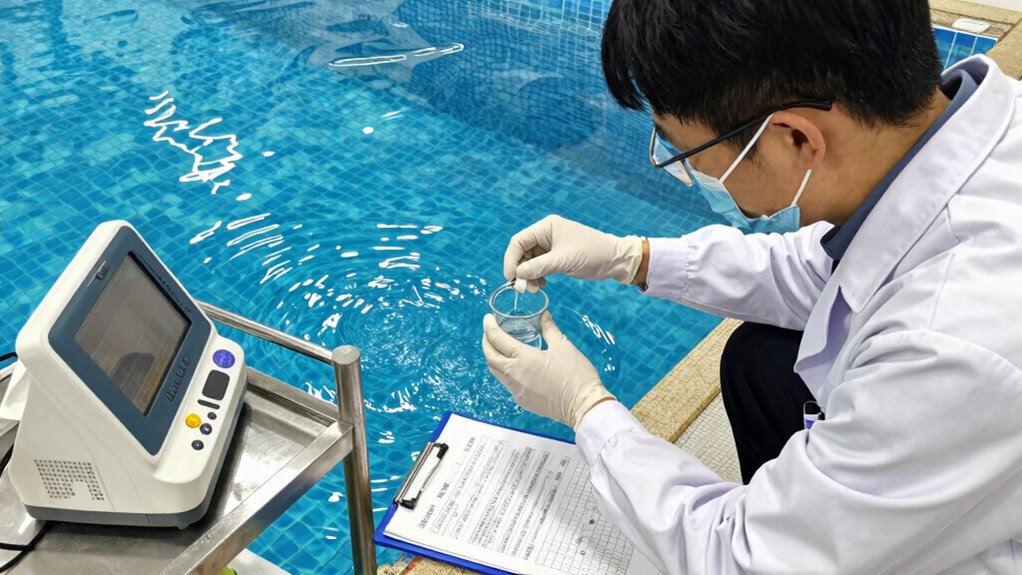
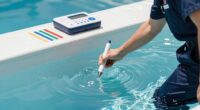
In addition, investigators assess the water quality by collecting samples from the recreational water site. These samples are tested for common pathogens like Cryptosporidium, Giardia, or norovirus, as well as for indicators like E. coli, which signal fecal contamination. Conducting these tests rapidly is essential because it pinpoints whether the water is the illness’s source. If contamination is identified, authorities move to implement outbreak response strategies, such as closing the facility or issuing health advisories, to prevent further exposure. They also consider the testing procedures used to analyze water samples to ensure accuracy and reliability of the results. A thorough understanding of testing accuracy can significantly impact the investigation’s success.
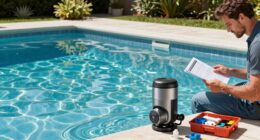
Part of their investigation also involves inspecting the water treatment systems, summarizing maintenance records, and guaranteeing that water safety protocols are being followed properly. They look into how the water is being disinfected, the adequacy of filtration, and whether the staff is trained to handle water safety issues. These measures help identify any lapses or failures that could have contributed to the outbreak.
Public health agencies also analyze environmental factors, like recent weather conditions, water circulation patterns, or nearby pollution sources, which might have played a role in contaminating the water. This thorough approach ensures they leave no stone unturned. Additionally, understanding waterborne pathogens and how they spread is crucial for developing effective prevention strategies.
Throughout the investigation, the agencies coordinate with local health departments, water facility operators, and environmental agencies to develop effective outbreak response strategies. Their goal is clear: eliminate the source of contamination, safeguard public health, and prevent future outbreaks. Their efforts highlight the importance of strict adherence to water safety protocols and swift, coordinated outbreak response strategies in protecting recreational water users. By following these steps, public health agencies work diligently to keep water safe, healthy, and enjoyable for everyone.
water testing kits for recreational water
As an affiliate, we earn on qualifying purchases.
As an affiliate, we earn on qualifying purchases.
Frequently Asked Questions
How Quickly Do Agencies Respond to Reported Water Illnesses?
Public health agencies typically respond quickly to water illness reports, often within 24 to 48 hours, depending on the severity and the reporting protocols in place. They prioritize investigations based on symptoms and outbreak potential. Your prompt reporting helps speed up the response time, allowing agencies to assess risks, gather samples, and implement necessary measures to protect public health and prevent further illnesses.
What Factors Determine the Severity of a Water Illness Investigation?
The severity of a water illness investigation depends on factors like water testing results and overall risk assessment. If tests reveal harmful pathogens or contaminants, agencies consider the situation more severe. They evaluate how widespread the contamination is, the number of affected individuals, and potential health impacts. Your cooperation in providing accurate water samples and health information helps public health officials accurately assess risk and determine necessary actions.
Are Private Pools Also Subject to Public Health Investigations?
Yes, private pools are subject to public health investigations if there’s a reported illness or violation. As a homeowner, you’re responsible for maintaining safe water quality, proper sanitation, and following local regulations. Public health agencies may investigate private pools to guarantee they meet safety standards, especially if someone gets sick. Staying vigilant about water cleanliness and adhering to guidelines helps protect everyone and prevents potential investigations.
How Is the Source of Contamination Identified During an Investigation?
You might think finding the source is like searching for a needle in a haystack, but public health agencies use diagnostic methods to trace contamination pathways effectively. They analyze water samples, check for pathogens, and examine environmental factors. By combining these approaches, they identify how the illness spread—whether through swimmers, contaminated equipment, or water sources—making it clearer where to focus cleanup efforts and prevent future outbreaks.
What Are Common Misunderstandings About Water Illness Outbreaks?
Many people believe water illnesses only happen from dirty water, but that’s a myth. You might think prevention strategies only involve showering before swimming, yet proper chlorination and hygiene are equally essential. Myth busting shows that even clean-looking water can cause illness if contaminated. Understanding these misconceptions helps you take better precautions, like avoiding swallowing pool water and showering after swimming, to protect yourself from recreational water illnesses.
As an affiliate, we earn on qualifying purchases.
Conclusion
During a recreational water illness investigation, you focus on identifying the source of contamination, understanding how the illness spread, and implementing measures to prevent future cases. Your thorough approach guarantees no detail is overlooked, making your efforts vital in safeguarding public health. Remember, your vigilance can stop an outbreak in its tracks—your work is nothing short of heroic in protecting countless lives from preventable illnesses. Stay diligent, because every detail matters in the fight against waterborne diseases.
water disinfection and treatment equipment
As an affiliate, we earn on qualifying purchases.
As an affiliate, we earn on qualifying purchases.
water quality testing laboratory supplies
As an affiliate, we earn on qualifying purchases.
As an affiliate, we earn on qualifying purchases.
Fall yard work Picks
leaf blowers
As an affiliate, we earn on qualifying purchases.