
To catch pool problems early, you should develop a consistent testing routine that includes checking chemical levels like pH, alkalinity, and sanitizer frequently. Regular equipment inspections for odd noises, leaks, or temperature issues also help spot hidden problems. Using precise testing tools and tracking results over time allows you to identify trends before problems become visible or costly. Keep up with proactive maintenance, and you’ll discover more simple ways to keep your pool pristine.
Key Takeaways
- Regularly test chemical levels to detect imbalances before water quality issues become visible.
- Conduct routine equipment inspections to identify early signs of malfunction or wear.
- Maintain a consistent testing schedule with accurate tools to monitor water chemistry trends over time.
- Address minor chemical or equipment issues promptly to prevent escalation into costly repairs.
- Record and review test results regularly to spot patterns indicating potential problems early.

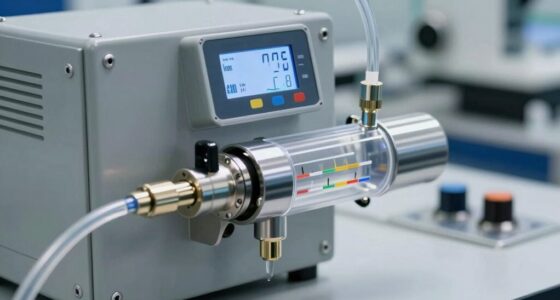
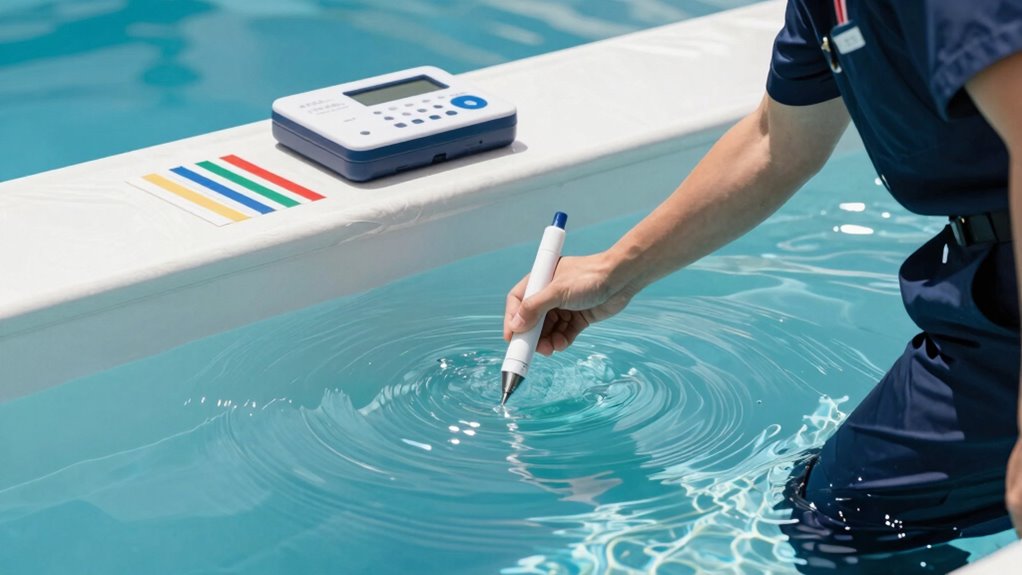
Have you ever wondered why catching testing pool problems early can save you time and resources? The truth is, early detection is the key to maintaining a healthy, safe swimming environment while avoiding costly repairs. Regular testing routines focus on monitoring the chemical balance of your pool water and ensuring your equipment is functioning properly. When you stay ahead of potential issues, you prevent minor problems from escalating into serious, expensive repairs. Implementing biodiversity principles in your pool maintenance can also promote a healthier aquatic environment by supporting beneficial microorganisms that naturally help control algae and bacteria. Maintaining proper chemical balance is fundamental. You need to check pH levels, alkalinity, chlorine, and other sanitizer levels regularly. If the pH drifts too high or too low, it can cause cloudy water, corrosion, or skin irritation. By testing these parameters frequently, you catch imbalances before they cause visible problems. Keeping chemicals within recommended ranges not only preserves water clarity but also protects your pool equipment from damage caused by corrosion or buildup. Regular testing acts as an early warning system, alerting you to issues like algae growth or bacteria presence before they become obvious, saving you from heavier chemical treatments later. Equipment maintenance plays an equally vital role in early problem detection. Your pool’s pump, filter, and heater should undergo routine inspections to catch signs of wear or malfunction. When equipment is operating inefficiently, it often produces subtle symptoms—struggling to circulate water, strange noises, or inconsistent temperature control. Addressing these symptoms early can prevent equipment breakdowns that might require costly replacements. Cleaning filters, checking for leaks, and ensuring proper operation of all components should be part of your weekly routine. This proactive approach helps you identify mechanical issues before they affect water quality or lead to system failure. Additionally, understanding pool water chemistry can help you better interpret test results and take appropriate action swiftly. Incorporating water testing tools into your routine can streamline the process and improve accuracy, making it easier to maintain optimal water conditions. Using accurate testing methods can also help you reduce guesswork and ensure your chemical levels are consistently within safe ranges. Developing a comprehensive testing routine that includes both quick checks and periodic thorough inspections ensures you catch potential problems early. Combining these practices into a consistent testing routine keeps your pool in top shape. Use test strips or digital testers for quick checks and schedule more thorough inspections periodically. Record your results so you can spot trends over time, which might reveal underlying problems before they become visible. Staying vigilant with chemical testing and equipment maintenance isn’t just about water quality; it’s about proactively protecting your investment. The more you stay on top of these routines, the more you minimize surprises that could disrupt your swimming season. In the end, early testing and maintenance aren’t just chores—they’re your best strategy for a safe, clean, and trouble-free pool. By prioritizing these steps, you save time, avoid unnecessary expenses, and enjoy a pristine swimming environment all season long.
As an affiliate, we earn on qualifying purchases.
Frequently Asked Questions
How Often Should I Perform Pool Tests?
You should perform pool tests at least twice a week to keep your water balanced and guarantee proper pool maintenance. Regular testing helps catch issues early, preventing problems from escalating. During heavy use or after a storm, test more frequently. By maintaining a consistent testing routine, you’ll keep your pool water clean, clear, and safe, avoiding costly repairs and ensuring an enjoyable swimming experience.
What Tools Are Best for Early Pool Problem Detection?
Imagine having a crystal ball for your pool—that’s what the best tools do. Use a reliable test kit to detect chemical imbalance early, preventing algae or corrosion. Pair it with regular equipment inspections—look for leaks, worn-out parts, or unusual noises. These tools act like your pool’s early warning system, alerting you to problems before they become visible, keeping your pool pristine and problem-free all season long.
Can Testing Predict Future Pool Equipment Failures?
Testing can help predict future pool equipment failures by analyzing pool water for signs of wear or imbalance, which can stress equipment and shorten its lifespan. Regular pool water analysis allows you to spot issues early, like corrosion or buildup, giving you a chance to maintain equipment properly. By keeping a close eye on water quality, you prevent minor problems from escalating into costly failures, extending your equipment’s lifespan.
Are There Signs of Problems Before Visible Damage Appears?
Yes, you can spot trouble brewing before it shows on the surface. Think of early leak detection as your pool’s whispering warning signs—subtle drops in water levels or unusual pH imbalance indicators. These clues act like a detective’s breadcrumbs, guiding you to issues before they turn into costly repairs. Staying alert to these signs keeps your pool healthy, ensuring problems stay beneath the surface and don’t escalate into visible damage.
How Does Water Chemistry Impact Early Problem Detection?
Water chemistry impacts early problem detection because maintaining proper chemical balance and pH levels helps you spot issues sooner. When pH levels are off, algae and bacteria can thrive unnoticed, leading to bigger problems. Regular testing allows you to catch imbalances early, so you can adjust chemicals promptly. This proactive approach prevents damage, keeps your pool safe, and guarantees the water remains clear and inviting.
As an affiliate, we earn on qualifying purchases.
Conclusion
By catching pool problems early, you’re like a vigilant lighthouse guiding your oasis safely through stormy waters. Regular testing shines a steady beam, revealing hidden dangers before they surface, saving you from costly repairs and cloudy frustrations. Think of it as tending a garden—you nurture your pool’s health daily, ensuring crystal-clear waters bloom effortlessly. Stay proactive, and you’ll enjoy a sparkling sanctuary that stands resilient, reflecting your care and attention like a mirror held high against the sky.
As an affiliate, we earn on qualifying purchases.
As an affiliate, we earn on qualifying purchases.