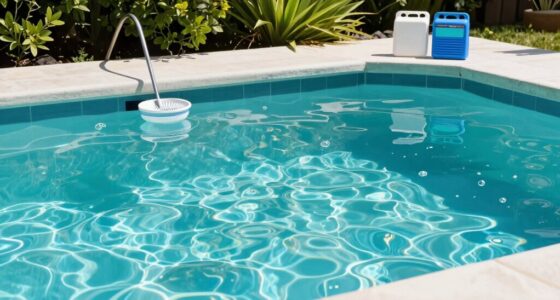
Biofilm is the hidden reason some pools never stay clean for long because it forms a slimy, resistant layer on surfaces that regular cleaning can’t fully remove. When sanitizer levels drop or chemical balance is off, bacteria settle and create this protective film, which shields them from disinfectants. This makes biofilm tough to eliminate and often leads to cloudiness, odors, and irritation. Keep in mind, understanding how to prevent and remove biofilm can help you keep your pool cleaner longer.
Key Takeaways
- Biofilm forms a resilient layer that shields bacteria from disinfectants, making pools appear clean but still harbor contaminants.
- Standard cleaning methods often fail to remove biofilm from hard-to-reach or rough pool surfaces.
- Imbalanced water chemistry weakens sanitizer effectiveness, enabling biofilm development and persistence.
- Biofilm’s protective matrix prevents chemicals from penetrating, leading to ongoing cleanliness and hygiene issues.
- Without targeted removal strategies, biofilm remains hidden, causing pools to quickly revert to dirty conditions.

Have you ever wondered what’s lurking unseen in your pool? It’s easy to focus on visible debris or algae, but the real culprit behind persistent cleanliness issues often hides beneath the surface—biofilm. This slimy, sticky layer forms when bacteria and other microorganisms cling to surfaces like the pool’s walls, steps, or filters. What makes biofilm particularly tricky is that it’s resistant to typical pool maintenance routines and common disinfectants. That’s why, even with regular cleaning, your pool might never stay as clear as you want. Understanding biofilm and its role in pool health is vital if you want to keep your water pristine.
Biofilm develops when bacteria settle and multiply, creating a protective matrix that shields them from chemicals and cleaning efforts. This slimy layer adheres tightly to surfaces, making it difficult to remove with standard scrubbing or chlorination. When your pool’s chemical balance isn’t properly maintained, it provides an ideal environment for biofilm growth. Low sanitizer levels, improper pH, or unbalanced alkalinity weaken the disinfectant’s ability to kill bacteria, allowing biofilm to flourish unchecked. That’s why routine pool maintenance should include not only cleaning debris but also regularly checking and adjusting the chemical balance. When your pool’s chemistry is off, you’re fundamentally giving bacteria a free pass to grow and form biofilm. Additionally, proper chemical management is essential to prevent biofilm from establishing a foothold. Maintaining optimal water chemistry helps reduce the likelihood of biofilm development and promotes overall pool health. Proper surface cleaning techniques are also crucial, as biofilms tend to form in hard-to-reach areas and on rough surfaces. Using specialized cleaning tools designed for difficult surfaces can make a significant difference in removal efforts.
Proper chemical balance prevents biofilm growth and keeps your pool clean and clear.
Because biofilms are resilient, they can cause ongoing issues with clarity and hygiene. Even if your water looks clear, a hidden biofilm can be silently contaminating the surfaces. Over time, this buildup can lead to persistent cloudiness, foul odors, and even skin irritations for swimmers. The challenge lies in its durability; standard shock treatments or chlorination might not penetrate the biofilm’s protective layer. To truly combat it, you need a targeted approach that includes thorough cleaning, possibly using specialized pool-safe cleaning agents designed to break down biofilm. Regularly sanitizing surfaces, combined with maintaining proper chemical balance, is your best defense. Furthermore, advanced cleaning agents formulated specifically for biofilm removal can significantly enhance your pool maintenance routine.
In the end, the presence of biofilm explains why some pools never seem to stay perfectly clean. It’s a hidden, persistent problem that demands diligent pool maintenance and careful control of chemical levels. When you understand this unseen layer’s role, you realize that keeping your pool spotless involves more than just skimming the surface. It requires a thorough approach that addresses both visible debris and the unseen microbial domain beneath. By staying vigilant about chemical balance and cleaning routines, you can prevent biofilm from taking hold and ensure your pool remains inviting, safe, and crystal-clear.

Aqua Comb Pool Filter Cartridge Cleaning Tool
- Durable UV-Protected Materials: Made of UV protected ABS and nylon
- Comprehensive Filter Cleaning: Fully cleans deep pleated cartridge filters
- Effective Debris Removal: Removes debris, dust, and particles from filters
As an affiliate, we earn on qualifying purchases.
As an affiliate, we earn on qualifying purchases.
Frequently Asked Questions
Can Biofilm Form in Hot Tubs or Spas?
Yes, biofilm can form in hot tubs or spas. You might not notice it until it becomes a problem, so regular biofilm detection is essential. During hot tub maintenance, look for slimy or cloudy areas, which indicate biofilm buildup. Proper cleaning and disinfecting routines help prevent biofilm formation, ensuring your hot tub stays clean and safe for use. Staying vigilant keeps your spa inviting and hygienic.
How Often Should Pool Filters Be Replaced to Prevent Biofilm?
You should replace your pool filter every 1 to 2 years as part of regular pool maintenance to prevent biofilm buildup. Regular filter replacement helps eliminate trapped bacteria and organic matter that foster biofilm growth. Keep an eye on filter pressure and flow rates; if they decline, it’s time for a replacement. Consistent filter maintenance guarantees your pool stays clean, clear, and free from hidden biofilm issues.
Are Certain Pool Chemicals More Effective Against Biofilm?
Certain pool chemicals, like chlorine and bromine, are more effective against biofilm because they disrupt its structure. Chemical interactions play a pivotal role, as some treatments penetrate biofilm better than others. Follow treatment protocols that include regular shocking and maintaining proper sanitizer levels, ensuring these chemicals work effectively. Using algaecides and enzyme-based cleaners also helps break down biofilm, keeping your pool cleaner longer and preventing stubborn buildup.
Does Biofilm Affect Pool Equipment Longevity?
Ironically, biofilm’s resistance doesn’t just hide in your pool’s corners; it silently undermines your equipment’s lifespan. As biofilm builds, it fosters equipment corrosion, slowly degrading pumps and filters. You might think your equipment’s durable, but biofilm’s persistent presence accelerates wear and tear, shortening its longevity. So, neglecting biofilm means risking costly repairs, making it clear that biofilm isn’t just a nuisance—it’s a threat to your pool’s entire system.
Can Biofilm Cause Health Issues for Swimmers?
Biofilm can pose health risks for swimmers by harboring bacteria, fungi, and other pathogens, which can lead to infections or illnesses. If biofilm accumulates in your pool, it compromises swimmer safety and increases health risks. Regular cleaning and proper chemical treatments are essential to prevent biofilm buildup. Ensuring your pool stays clean helps protect swimmers, reduces biofilm-related health risks, and promotes a safer, healthier swimming environment.

U.S. Pool Supply Hand-Held & Pool Pole Attachment Scrub Brushes, Scrubbing
- Includes Hand-Held and Pool Pole Attachments: Two scrubbing sponge pads for versatile cleaning
- Compatible with Standard Pool Poles: Connects to 1-1/4 inch telescopic poles
- Multi-Surface Cleaning: Ideal for tiles, grout, walls, liners, and spas
As an affiliate, we earn on qualifying purchases.
As an affiliate, we earn on qualifying purchases.
Conclusion
So, next time you marvel at a crystal-clear pool, remember the silent culprit lurking beneath—the biofilm. It’s like the stubborn stain you can’t see but always feel. You scrub, you shock, yet it’s still there, hiding in plain sight. Just like that forgotten sock in the laundry, biofilm quietly persists, making your pool’s cleanliness a constant battle. Recognizing it is your first step to truly keeping your pool pristine—no more surprises hidden just beneath the surface.
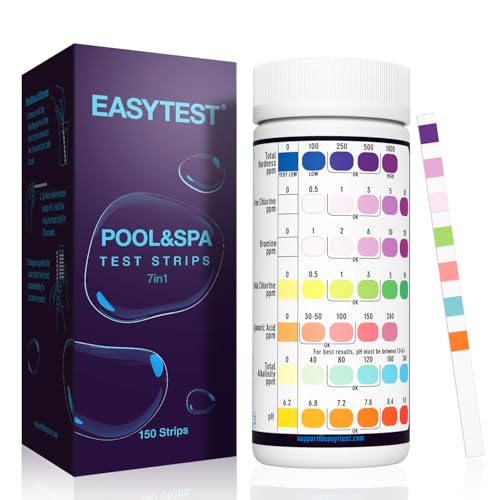
EASYTEST 7-Way Pool Test Strips, 150 Strips Water Test for Hot tub and Spa
- 150 Test Strips: Affordable water testing kit with 150 strips
- Quick and Accurate: Results in 15 seconds with color comparison
- 7-in-1 Testing: Measures Bromine, pH, Chlorine, Alkalinity, Hardness, Cyanuric Acid
As an affiliate, we earn on qualifying purchases.
As an affiliate, we earn on qualifying purchases.

ADIOS! 20X Pool Cleaner and Liquid Enzyme Clarifier for Cloudy Water – 32oz
- Bioactive Enzyme Formula: Breaks down oils, scum, and bio matter
- Water Clarification: Restores crystal clear water
- Enhances Filtration: Prevents clogging and extends filter life
As an affiliate, we earn on qualifying purchases.
As an affiliate, we earn on qualifying purchases.