
Pseudomonas bacteria love warm, poorly maintained hot tubs, making folliculitis a real risk if you soak in contaminated water. When water isn’t properly chlorinated or disinfected, these bacteria multiply rapidly and can enter your skin through cuts, abrasions, or irritated follicles. The heat relaxes your skin’s outer layer, helping bacteria invade more easily. If you’re curious about how to protect yourself and keep hot tub risks at bay, learn some key prevention tips.
Key Takeaways
- Pseudomonas aeruginosa thrives in warm, moist hot tub environments, increasing folliculitis risk.
- Inadequately disinfected or poorly maintained hot tubs facilitate bacterial growth and contamination.
- Warm water relaxes skin and opens follicles, allowing bacteria to enter through cuts or irritated skin.
- Using contaminated hot water can cause inflammation, red bumps, and pustules characteristic of folliculitis.
- Proper hygiene, water sanitation, and avoiding soaking with skin injuries reduce Pseudomonas-related folliculitis risk.
Have you ever wondered why warm water baths can sometimes lead to skin issues like folliculitis? It’s a common concern, especially if you enjoy soaking in hot tubs or whirlpools. The main culprit behind many of these infections is a bacteria called Pseudomonas aeruginosa. This bacteria thrives in warm, moist environments, making hot tubs, spas, and even sometimes poorly maintained pools perfect breeding grounds. When you immerse yourself in these heated waters, you’re exposing your skin to bacteria that can cause folliculitis—a condition where hair follicles become inflamed, red, and sometimes filled with pus.
Pseudomonas is particularly tricky because it can survive and multiply in waters that aren’t properly sanitized. If the water isn’t chlorinated or disinfected adequately, the bacteria can reach high concentrations, increasing your risk of infection. When you soak in contaminated water, Pseudomonas can enter your skin through tiny cuts, abrasions, or even hair follicles that are open or irritated. Once inside, it triggers an immune response, leading to the characteristic red bumps or pustules associated with folliculitis. You might notice that these bumps are itchy, tender, or even filled with pus, making your experience uncomfortable and unsightly.
Pseudomonas thrives in unchlorinated water, causing folliculitis through skin entry via cuts or irritated hair follicles.
It’s not just the bacteria that pose a risk; the environment itself plays a significant role. Hot water relaxes your skin’s outer layer, sometimes opening up hair follicles and making it easier for bacteria to penetrate. Plus, the warm temperature creates an ideal habitat for Pseudomonas to multiply rapidly. If you’re using a hot tub or spa that’s not well-maintained, you’re fundamentally inviting bacteria to thrive and increase your chances of developing folliculitis. The risk is higher if you have compromised skin, such as cuts, rashes, or eczema, which provide easier entry points for bacteria.
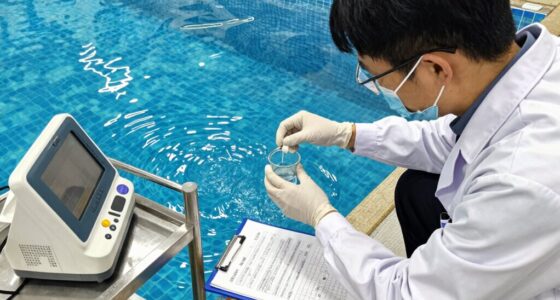
Preventing folliculitis linked to Pseudomonas involves proper maintenance and personal care. Always check that the water is adequately chlorinated and that the facility follows strict hygiene standards. Shower thoroughly after leaving the hot tub to wash away any bacteria on your skin. Avoid soaking if you have open cuts or irritated skin, and don’t share hot tubs or pools with others who might carry bacteria. Regularly testing the water quality and filtration systems can greatly reduce bacterial growth. If you notice red bumps or pustules after a soak, it’s best to consult a healthcare professional to get appropriate treatment. Being aware of these risks and taking preventive steps can help you enjoy warm water baths without the unwanted side effects.

Clorox® Pool&Spa™ Spa Water All-in-One Sanitizer & Shock, Destroys Contaminants, Clears Cloudy Water, 2LB (Pack of 1)
- All-in-One Spa Sanitizer and Shock: Combines sanitizing and shocking power
- Effective Contaminant Removal: Destroys bacteria, algae, and organisms
- Quick Cloudy Water Clarification: Restores sparkling clarity fast
As an affiliate, we earn on qualifying purchases.
As an affiliate, we earn on qualifying purchases.
Frequently Asked Questions
How Can I Prevent Pseudomonas Bacteria in Hot Tubs?
To prevent pseudomonas bacteria in hot tubs, you should regularly sanitize the water with appropriate chlorine or bromine levels, maintain proper pH balance, and change the water frequently. Shower before and after using the hot tub to reduce bacteria transfer. Also, clean filters regularly and inspect equipment for any signs of contamination. By following these steps, you minimize the risk of bacteria growth and keep your hot tub safe.
What Are Early Signs of Folliculitis From Warm Water Exposure?
Imagine tiny invaders creeping just beneath your skin’s surface, whispering trouble. Early signs of folliculitis from warm water include small, red bumps resembling pimples or blisters, often itchy or tender. You might notice these spots around hair follicles, especially where skin contacts water or clothing. Keep a sharp eye for these warning signs, and if they appear, take swift action to cool and cleanse your skin before the situation worsens.
Is Folliculitis Contagious Through Hot Tub Use?
Yes, folliculitis can be contagious if caused by bacteria like Pseudomonas, which can spread through contaminated hot tubs. If someone with infected hair follicles uses the same hot tub, the bacteria can transfer to others, increasing the risk of infection. To protect yourself, avoid sharing hot tubs when you have symptoms, shower thoroughly afterward, and maintain proper hot tub hygiene to reduce bacteria buildup.
How Long After Hot Tub Use Might Symptoms Appear?
Ever wonder how quickly folliculitis symptoms show up after hot tub use? Usually, you might notice redness, itching, or bumps within 24 to 48 hours. Sometimes, it takes a bit longer, up to a week, especially if your immune system is compromised. Keep an eye out for any skin changes after your soak, and if symptoms appear, consider consulting a healthcare provider to prevent further infection.
Are There Specific Hot Tub Maintenance Practices to Reduce Risks?
You should regularly test and balance your hot tub’s pH and sanitizer levels, ideally daily, to prevent bacterial growth. Drain and clean the tub at least every 3-4 months, and promptly fix any leaks or issues with the filtration system. Shower before use to reduce contaminants, and avoid soaking if you notice signs of infection. These practices help minimize bacteria like Pseudomonas and lower your risk of folliculitis.

Pool and Spa Rapid Bacteria Test by Watersafe, Detects Down to 1 Bacteria/μL, including E. coli, Salmonella and More, Pack of 10
- Rapid Water Quality Test: 15-minute assessment for pools and spas
- High-Sensitivity Detection: Detects bacteria including E. coli and Salmonella
- Universal Compatibility: Suitable for pools, hot tubs, and spas
As an affiliate, we earn on qualifying purchases.
As an affiliate, we earn on qualifying purchases.
Conclusion
To keep your relaxing soak truly enjoyable, it’s wise to pay attention to water quality and hygiene. While warm water feels inviting, it can sometimes host unseen guests that might lead to minor skin troubles. By taking simple precautions, you can help guarantee your time in the hot tub remains a soothing escape rather than a gentle reminder of nature’s curious ways. After all, a little care now can keep your moments of relaxation truly carefree.

Kipiea 600D Outdoor Waterproof Square Hot Tub Cover Protector, Heavy Duty Polyester SPA Cover UV Protection Cover 85" L x 85" W x 20" H, Black
- High-Density Waterproof Material: 600D polyester with double-layer PU coating
- Enhanced Waterproof Technology: Withstands water pressure up to 20,000 Pa
- Secure Windproof Design: Includes straps and buckles for stability
As an affiliate, we earn on qualifying purchases.
As an affiliate, we earn on qualifying purchases.
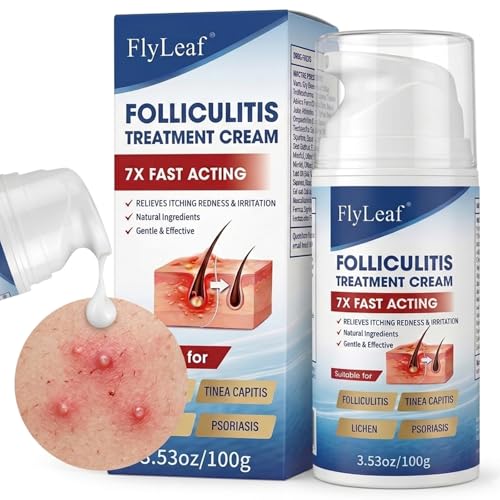
Folliculitis Treatment Cream – 5% Benzoyl Peroxide & Tea Tree Oil for Scalp Bumps, Razor Burn & Body Breakouts – Fast Acting & Effective Itch Relief – 100g/3.53oz
- Fast Acting Treatment: Targets scalp bumps and breakouts quickly
- Soothes Irritated Skin: Infused with Menthol and Aloe Vera
- Hydrates and Repairs Skin: Contains Ceramides, Squalane, and Centella Asiatica
As an affiliate, we earn on qualifying purchases.
As an affiliate, we earn on qualifying purchases.