An energy audit for your commercial or residential pool spotlights areas where you can cut costs and boost efficiency. You’ll identify major power drains like pumps, filters, heaters, and lighting, then explore upgrades or adjustments to save energy. Proper maintenance and insulation play a big role in reducing heat loss and system strain. If you want to discover practical tips for optimizing your pool’s energy use, learn more about how these audits can help.

Get pool and patio gear delivered free with Prime
- Fast, free delivery on millions of items
- Prime Video, Amazon Music and more included
- Member-only deals all year
Key Takeaways
- Conduct comprehensive assessments of pool systems, including pumps, filters, heaters, and lighting, to identify energy inefficiencies.
- Evaluate equipment age, performance, and condition to recommend upgrades or adjustments for improved energy efficiency.
- Inspect insulation, pool covers, and heat retention measures to minimize heat loss and reduce heating costs.
- Implement energy-saving strategies such as installing LED lighting, timers, and automation to optimize system operation.
- Provide tailored recommendations for equipment upgrades and maintenance practices to maximize long-term energy savings.

If you want to reduce your pool’s energy costs, conducting an energy audit is an essential first step. An energy audit helps you identify where your pool is consuming the most power and reveals opportunities for significant savings. When you perform an audit, you’re taking a close look at your entire pool system, including pumps, filters, heaters, lighting, and other equipment. Proper pool maintenance is crucial during this process because neglected components often waste energy and increase operational costs. Regular upkeep ensures your equipment runs efficiently, which is vital for achieving optimal energy savings.
Conducting an energy audit identifies power drains and saves costs through proper pool maintenance.
During the audit, you’ll evaluate the condition of your pool’s mechanical systems. For example, old or poorly maintained pumps can be major energy hogs. Upgrading to energy-efficient pumps or adjusting current ones can drastically cut down your power consumption. Additionally, inspecting filters and circulation systems helps prevent blockages or inefficiencies that force equipment to work harder than necessary. These small adjustments, combined with proper pool maintenance, can lead to immediate improvements in energy efficiency.
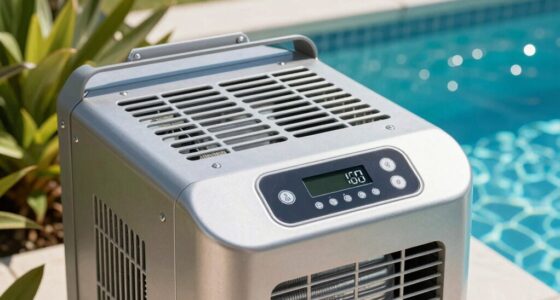
Another key aspect of the audit involves analyzing your heating system. Pool heaters are typically one of the largest energy consumers, especially if they’re outdated or improperly calibrated. By assessing the insulation around your pool and heater, you can determine if heat is escaping and whether upgrades or insulation improvements can reduce energy loss. Installing a cover when the pool isn’t in use also helps retain heat, further lowering energy expenses. These simple steps, when combined with energy savings strategies, can substantially reduce your operating costs over time.
Lighting is another area often overlooked but can contribute to unnecessary energy use. Replacing traditional bulbs with LED lights, which consume less power and last longer, is an effective way to enhance energy efficiency. Additionally, using timers and automation systems ensures your pool’s lights and equipment operate only when needed, avoiding wasteful energy consumption. Proper pool maintenance, including regular cleaning and equipment checks, helps keep all systems running smoothly, preventing energy wastage caused by malfunctioning components.
As an affiliate, we earn on qualifying purchases.
Frequently Asked Questions
How Often Should Pool Energy Audits Be Conducted?
You should conduct pool energy audits at least once a year, ideally during seasonal maintenance. Regular audits help you identify energy-saving tips, like optimizing pump timing and insulating equipment. If you notice increased energy bills or equipment issues, consider an audit sooner. Annual assessments keep your pool energy-efficient, save you money, and extend equipment lifespan, ensuring you get the most out of your investment throughout the year.
Are There Government Incentives for Pool Energy Efficiency Upgrades?
Think of government incentives like a lifeline thrown your way. Yes, there are government rebates and utility incentives available for pool energy efficiency upgrades. These programs help cover costs and encourage eco-friendly improvements. You can often find rebates for upgrading pool pumps, heaters, or insulation. Check with local or federal agencies to see what specific incentives apply in your area, making your pool more efficient without draining your wallet.
What Is the Typical Cost of a Professional Pool Energy Audit?
A professional pool energy audit typically costs between $300 and $800, depending on your pool’s size and complexity. Cost estimates vary, but the benefits include identifying energy-saving opportunities, reducing utility bills, and improving system efficiency. You’ll gain valuable insights into how to optimize your pool’s energy use, making the investment worthwhile. Consider these audit benefits as a way to guarantee your pool operates efficiently and saves you money long-term.
Can Energy Audits Help Reduce Pool Equipment Noise?
Yes, energy audits can help reduce pool equipment noise by identifying noise sources and recommending solutions like pump noise mitigation. They may suggest pool cover options that minimize equipment operation noise and improve insulation. During an audit, you’ll learn how to optimize equipment placement and maintenance, which can markedly lower noise levels, creating a more peaceful pool environment. Implementing these recommendations enhances comfort and can even improve energy efficiency.
How Long Does an Energy Audit for a Pool Usually Take?
An energy audit for your pool typically takes 1 to 3 hours. During the process, you’ll assess pool insulation, inspect equipment efficiency, and consider solar heating options. This helps identify energy waste and suggests upgrades like better insulation or solar heating systems. The time varies based on pool size and complexity, but you’ll get valuable insights to improve energy efficiency and reduce costs effectively.
As an affiliate, we earn on qualifying purchases.
Conclusion
By conducting an energy audit, you’re opening the door to a brighter, more efficient pool experience. Think of it as tuning a finely crafted instrument—every part working in harmony to save energy and reduce costs. With each adjustment, you’ll transform your pool into a shimmering oasis that’s as sustainable as it is inviting. So, take the first step today—because a well-audited pool isn’t just a place to swim, it’s a masterpiece waiting to be revealed.
As an affiliate, we earn on qualifying purchases.
automatic pool heater thermostat
As an affiliate, we earn on qualifying purchases.
As an affiliate, we earn on qualifying purchases.
Columbus Day / Indigenous Peoples' Day Picks
long weekend sales
As an affiliate, we earn on qualifying purchases.