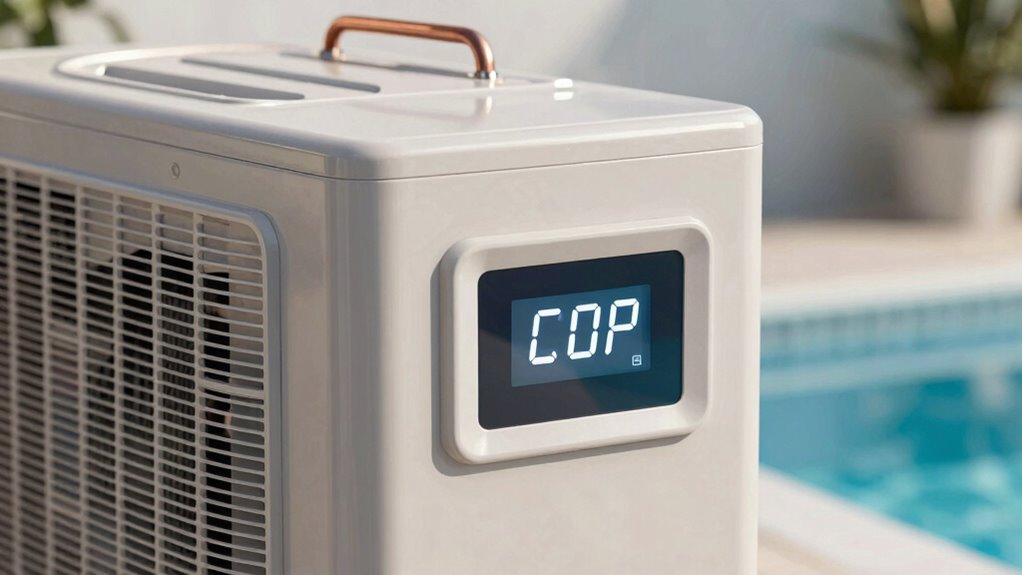

On a pool heat pump spec sheet, COP shows how efficiently the unit converts electrical energy into heat. A higher COP means the heat pump uses less electricity to warm your pool, saving you money and energy. It compares heat output to power input, giving you a clear idea of performance. Understanding COP helps you choose a more efficient unit and optimize your heating. Keep exploring to learn how different factors impact performance and energy savings.
Play games included with Prime
Start a Prime free trial and play with Amazon Luna on your devices.
As an affiliate, we earn on qualifying purchases.
Key Takeaways
- COP indicates how efficiently the heat pump converts electrical energy into heat for the pool.
- A higher COP means more heat is produced per unit of electricity consumed.
- COP values are typically rated under specific testing conditions, often at a set temperature.
- It helps compare different models’ energy efficiency and operational costs.
- Seasonal and environmental factors can influence the actual COP during real-world use.
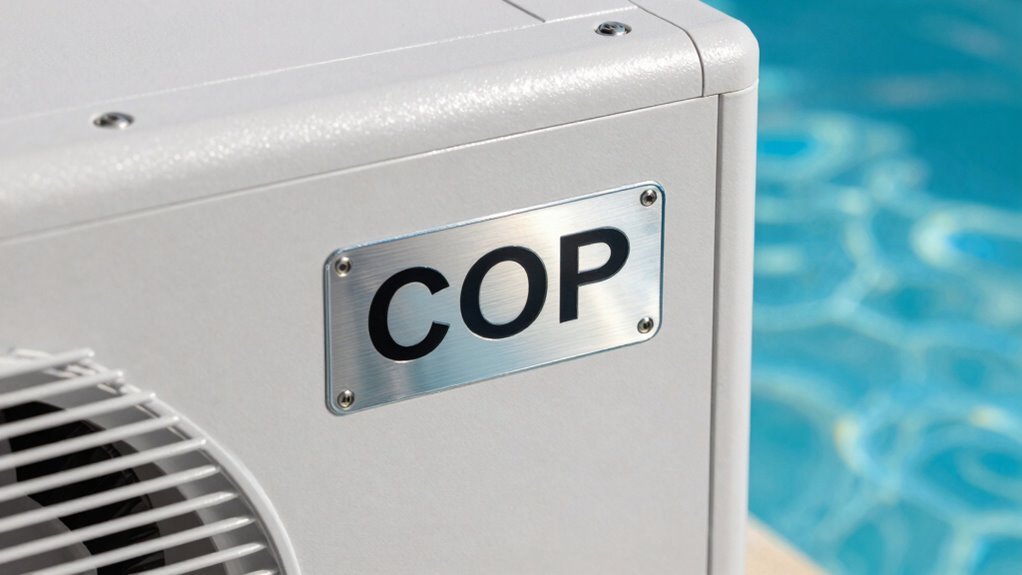
Understanding the COP (Coefficient of Performance) on a pool heat pump spec sheet is fundamental because it directly indicates how efficiently the unit heats your pool. When you look at the numbers, you’re primarily measuring how well the heat pump converts electrical energy into heat energy for your pool. A higher COP means more efficient operation, which translates into less energy consumption and lower utility bills. This is especially important if you’re trying to reduce your environmental footprint, as a more efficient heat pump consumes less electricity, decreasing your overall climate impact. In today’s world, where energy efficiency is increasingly tied to sustainability, understanding what COP means helps you make smarter choices that benefit both your wallet and the planet.
The COP is a ratio that compares the heat output to the electrical energy input. For example, a COP of 5 indicates that for every unit of energy the heat pump consumes, it provides five units of heat. This efficiency is crucial because it affects how much you’ll pay to keep your pool comfortable, particularly during the colder months. Equipment with a higher COP uses less electricity to produce the same amount of heat, which means you’re not only saving money but also reducing your contribution to greenhouse gas emissions associated with electricity generation. When you opt for a heat pump with a high COP, you’re choosing a device that’s better for the environment while also being kinder to your budget. Additionally, understanding how climate conditions impact efficiency helps you select the best model for your specific location. Considering local weather patterns can help you anticipate seasonal fluctuations and optimize your energy use, especially since seasonal variations in efficiency can significantly influence overall performance.
Moreover, understanding the operating conditions under which a heat pump achieves its rated COP can help you set realistic expectations for its performance. Recognizing the seasonal variations in efficiency can help you plan your pool heating strategy more effectively. Knowing this helps you manage expectations and plan for seasonal fluctuations in energy use. When you compare different models, pay attention to their COP ratings at similar temperatures, as this gives you a clearer idea of which unit will perform best in your climate. Ultimately, selecting a heat pump with a high COP tailored to your climate can lead to significant long-term savings and environmental benefits.
As an affiliate, we earn on qualifying purchases.
Frequently Asked Questions
How Is COP Different From Efficiency Ratings?
COP measures how efficiently your pool heat pump converts electrical energy into heat, focusing on the ratio of heat output to power input. Unlike general efficiency ratings, which compare the device’s performance to others, COP provides a specific performance measure at a given condition. This efficiency comparison helps you understand potential cost implications, as a higher COP usually means lower energy bills and better long-term savings.
Does Higher COP Mean Lower Energy Costs?
Sure, a higher COP definitely means lower energy costs—because who wouldn’t want to save money while pretending they’re environmentally friendly? When your heat pump boasts a high COP, it’s working more efficiently, translating into better energy savings and reduced operational costs. So, yes, a higher COP helps you cut down those pesky energy bills, making your pool cozy without draining your wallet. Win-win, right?
Is COP Affected by Ambient Weather Conditions?
Yes, COP is affected by ambient weather conditions. Solar variations influence the amount of heat your pool pump can extract, while compressor performance can decline in colder or more humid weather. When temperatures drop or sunlight diminishes, the heat pump’s efficiency, reflected in its COP, decreases. You’ll notice reduced heating performance, so it’s essential to take into account weather patterns to understand how environmental factors impact your heat pump’s efficiency.
Can COP Change Over the Heat Pump’s Lifespan?
Yes, your heat pump’s COP can change over its lifespan. Regular heat pump maintenance helps keep it running efficiently, preventing performance drops that lower its COP. As components wear or become dirty, the efficiency decreases, reducing energy savings. By maintaining your system, you guarantee consistent performance, maximizing energy savings and prolonging the lifespan of your heat pump. Stay proactive with maintenance to keep your COP—and your pool warm—optimized.
How Often Should I Check My Heat Pump’s COP?
Think of your heat pump’s COP as a dashboard light—check it regularly to prevent surprises. You should review it monthly during peak use, especially in colder months. For maintenance tips, make sure filters are clean and airflow is unobstructed. Troubleshooting steps include inspecting refrigerant levels and checking for unusual noises. Keeping an eye on this helps maintain efficiency, saving you money and extending your heat pump’s lifespan.
As an affiliate, we earn on qualifying purchases.
Conclusion
Now that you understand what COP really means on a pool heat pump spec sheet, you’ll see it’s more than just a number. It’s a reflection of efficiency that can unexpectedly save you money and energy. Next time you’re shopping, you might notice that the highest COP isn’t always the most obvious choice. Sometimes, the best efficiency is hiding in plain sight—just like that perfect pool day you’ve been dreaming of.
pool heat pump with high COP rating
As an affiliate, we earn on qualifying purchases.
As an affiliate, we earn on qualifying purchases.
best pool heat pump for cold climates
As an affiliate, we earn on qualifying purchases.
As an affiliate, we earn on qualifying purchases.
Fall Picks
fall essentials
As an affiliate, we earn on qualifying purchases.