To decrease peak energy use, schedule pumps and heaters during off-peak hours, typically late at night or early morning when electricity rates are lowest. Avoid running them during high-demand periods, usually late afternoon and early evening. Automate their operation with timers or smart controls to guarantee they run at ideal times, balancing comfort and savings. Keep exploring for tips on fine-tuning your setup and maximizing energy efficiency.
Key Takeaways
- Schedule pumps and heaters during off-peak hours, typically late at night or early morning, to minimize energy demand spikes.
- Use timers and automation systems to ensure appliances run outside peak demand periods without manual intervention.
- Align equipment operation with utility time-of-use rates to maximize cost savings and reduce grid strain.
- Consider seasonal variations to adjust timing, running heaters earlier in winter or late at night in summer.
- Regularly monitor and adjust schedules based on household routines and energy usage patterns for optimal efficiency.

Smart Water Heater Timer: Optimize Hot Water Usage – Compatible with Alexa – Installs in Minutes, No Plumbing Required. Compatible with Electric Water Heaters.
[HOT WATER WHEN YOU NEED IT] Learns your schedule so you don’t have to remember to turn your…
As an affiliate, we earn on qualifying purchases.
As an affiliate, we earn on qualifying purchases.
Why Reducing Peak Energy Use Saves You Money and Helps the Planet
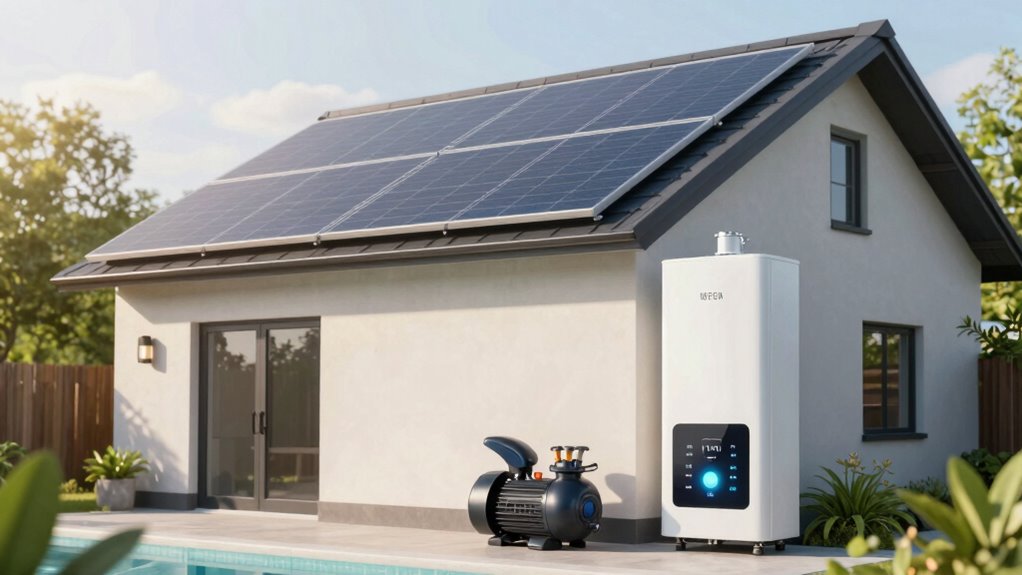
Reducing peak energy use not only lowers your electricity bills but also benefits the environment. When you cut back during peak times, you support renewable integration by easing the demand on power plants that rely on fossil fuels. This shift can also help you take advantage of time-based energy rates, saving even more money. Additionally, lowering your peak demand enhances grid stability, preventing overloads and blackouts. A more stable grid means fewer disruptions and a more reliable energy supply for everyone. Your efforts contribute to a healthier planet and a more resilient energy system. By shifting your energy use away from peak hours, you’re playing a direct role in creating a sustainable future while saving money on your utility bills. Smart energy management techniques can further optimize your consumption patterns for maximum benefit. Implementing demand response strategies can also encourage utilities to better balance load and supply, leading to more efficient energy use overall. Moreover, understanding peak energy periods allows you to time your energy-intensive activities more effectively. Practicing energy conservation during these times can significantly amplify these benefits.
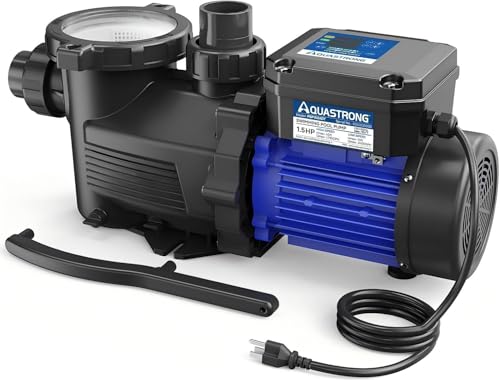
AQUASTRONG In/Above Ground Pool Pump, High Flow (Dual Speed with Timer, 1.5HP, 115V, 4975 GPH)
Powerful Dual-Speed Pool Pump with Timer for Smart & Efficient Circulation: This 1.5HP pool pump delivers a high-speed…
As an affiliate, we earn on qualifying purchases.
As an affiliate, we earn on qualifying purchases.
How Pumps and Heaters Drive Peak Power Demand
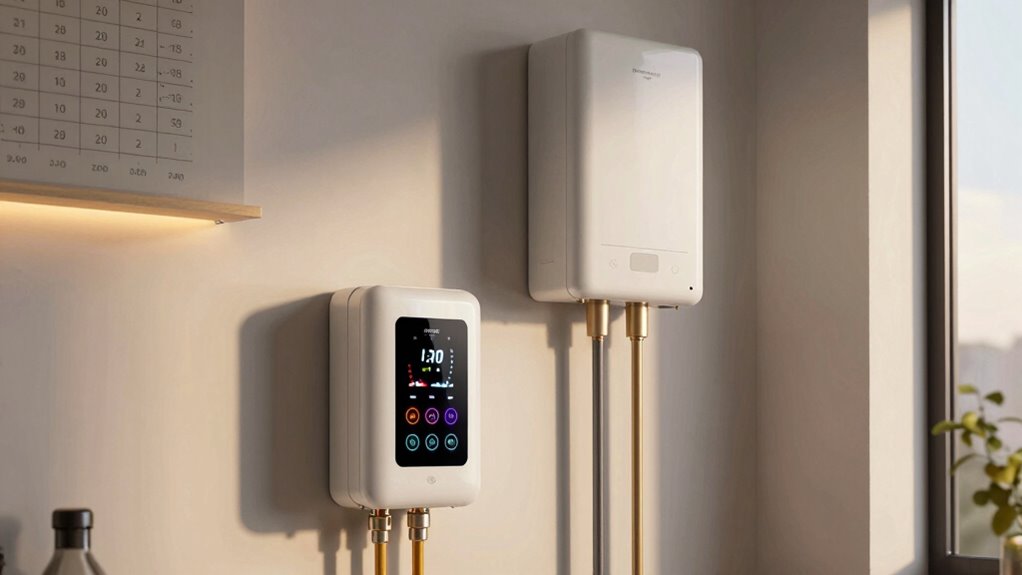
Pumps and heaters often run during peak times, increasing your energy demand when it’s most expensive. Adjusting their operation patterns can help spread out the load and lower your peak usage. By timing their use carefully, you can reduce costs and ease strain on the grid. Exploring optimal scheduling strategies can further enhance energy efficiency and savings. Implementing demand response programs can also incentivize shifting usage to off-peak hours, further reducing strain.
Pump Operation Patterns
Pump operation patterns considerably influence peak energy demand, especially when heaters and pumps run simultaneously during certain times of the day. By adjusting your pump operation, you can reduce these peaks and lower overall energy costs. Implementing effective scheduling strategies helps guarantee pumps operate during off-peak hours, minimizing energy draw during high-demand periods. For example, shifting pump activity to nighttime or early morning can flatten demand spikes. Consistency in your pump operation patterns allows your energy management system to optimize performance and prevent unnecessary power surges. Understanding how your pumps run throughout the day enables you to fine-tune schedules, balancing operational needs with peak demand reduction. Clear, deliberate pump operation patterns are key to achieving a more efficient energy profile. Additionally, energy management systems can assist in monitoring and automating these schedules for optimal results. Regular analysis of pump usage data can further identify opportunities for demand reduction and improve efficiency over time. Incorporating smart scheduling tools can further enhance this process by providing real-time adjustments based on usage patterns. Recognizing the importance of predictive analytics can help anticipate demand fluctuations and optimize pump operation proactively.
Heater Usage Timing
Since heaters and pumps often run simultaneously during peak hours, their combined energy consumption can substantially increase demand on the grid. To reduce this strain, timing heater usage outside peak periods is essential. You can take advantage of solar incentives and upgrade appliances to more efficient models, which often have smarter timing options. For example, setting your heater to operate during off-peak hours minimizes demand and lowers your energy costs. Coordinating heater operation with pump schedules ensures you avoid overlapping high-energy use. These adjustments not only help stabilize the grid but also maximize the benefits of appliance upgrades and solar incentives, making your home more energy-efficient. Proper timing is a simple yet effective way to flatten peak demand and save money. Additionally, utilizing extension cord standards and weatherproof tool storage can help safely manage energy-efficient equipment and appliances. Implementing energy management systems can further optimize the operation of your appliances and reduce overall energy consumption. Recognizing peak demand periods is crucial for effectively planning appliance operation and achieving energy savings. Being aware of energy consumption patterns allows homeowners to better schedule their device usage for maximum efficiency, especially when combined with smart home technology that can automate device operation.

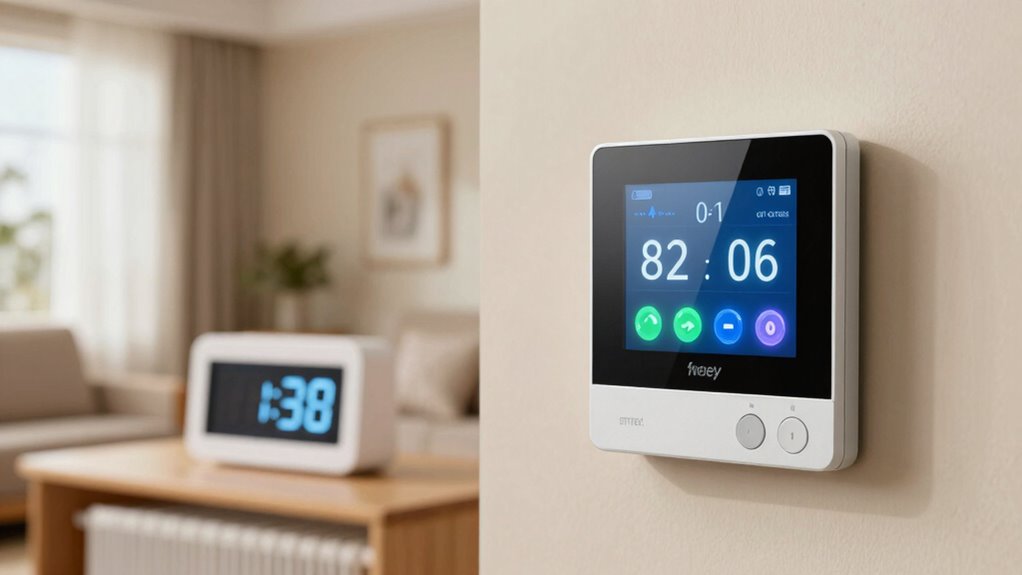
New! Honeywell Home Programmable Thermostat, Single-Stage, 1 Heat/1 Cool Compatibility, 5-2 Day Schedule, X2P, White, RTH20B
CUSTOMIZE: Choose to receive change air filter reminders and select display settings to optimize this thermostat for home.The…
As an affiliate, we earn on qualifying purchases.
As an affiliate, we earn on qualifying purchases.
When Do Your Appliances Use the Most Energy?
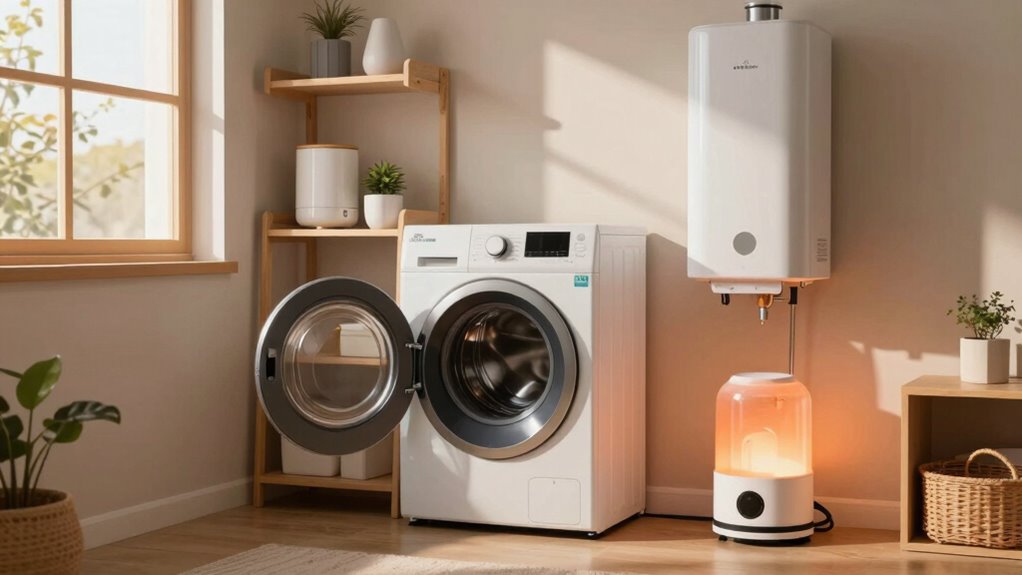
Have you ever wondered when your appliances draw the most energy? Typically, energy consumption peaks when devices are most active, like washing machines during laundry day or dishwashers after dinner. These high-usage times often coincide with your household’s routine, but they can also vary based on appliance efficiency. Older appliances tend to use more energy during operation, increasing overall demand. Understanding when your appliances operate at their highest energy levels helps you identify peak periods. For example, electric water heaters may consume more power during hot water use in the mornings or evenings. Recognizing these patterns allows you to better plan your energy use, reduce waste, and shift high-demand tasks to off-peak hours, saving you money and easing the strain on the grid. Additionally, electric dirt bikes and other electric-powered devices often have specific periods of peak performance that can inform energy management strategies. Being aware of these peak times for various devices can help you optimize your energy consumption more effectively, especially by considering peak energy periods in your planning.
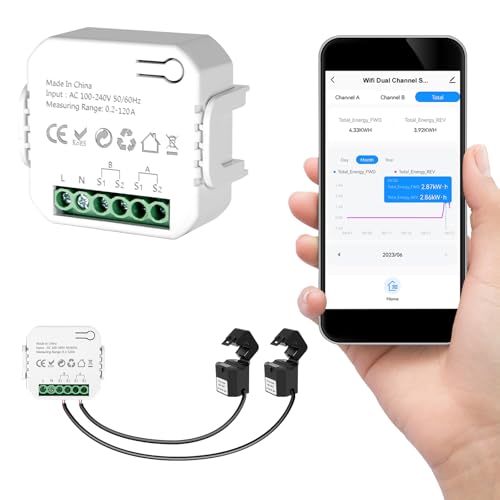
Smart Home Energy Monitor 2×120A, Dual-Channel Real-Time Electricity Usage Monitoring for Household Power, WiFi Energy Meter with App Control, Compatible with Tuya/Smart Life
【Dual-Channel Energy Monitoring】 This smart home energy monitor features two independent high-capacity sensing channels, allowing you to track…
As an affiliate, we earn on qualifying purchases.
As an affiliate, we earn on qualifying purchases.
How to Schedule Pumps and Heaters for Peak Off-Pimes
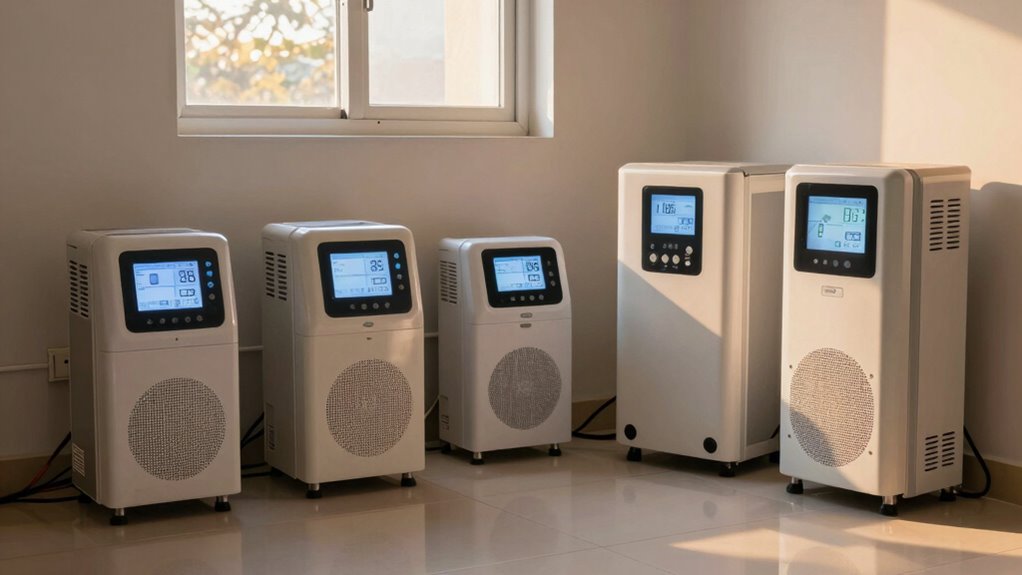
Scheduling your pumps and heaters during optimal off-peak hours can significantly reduce energy costs. You should consider your household’s usage patterns to identify the best times to run these appliances. Adjusting your schedule accordingly ensures you’re maximizing savings while maintaining comfort.
Optimal Off-Peak Timing
To maximize energy savings, timing your pumps and heaters to operate during off-peak hours is essential. Seasonal variations influence the best times to schedule these appliances, as energy demand shifts throughout the year. During colder months, you might need to run heaters earlier in the day, while in warmer seasons, late-night or early-morning operation can be more effective. Consider your user preferences, such as comfort levels and routines, to determine suitable off-peak periods that fit your lifestyle. Aligning your equipment’s operation with utility off-peak hours not only reduces costs but also eases the grid’s load during high-demand times. By understanding seasonal patterns and tailoring your schedule, you ensure efficient energy use without sacrificing comfort.
Adjusting for Usage Patterns
Understanding your daily energy usage patterns is key to effectively scheduling your pumps and heaters during off-peak hours. By analyzing when your appliances are used most, you can adjust your appliance scheduling to maximize energy savings. For example, if you notice that heating is less needed in the late mornings, set your heater to run just before then, avoiding peak times. Similarly, if your pump usage spikes in the evenings, shift those operations earlier or later to off-peak hours. Tailoring the schedule to your specific usage patterns ensures you’re not running appliances unnecessarily during high-demand periods. This targeted approach helps reduce peak energy use while maintaining comfort and convenience, making your energy management more efficient and cost-effective.
Automate Energy Savings With Smart Controls and Timers
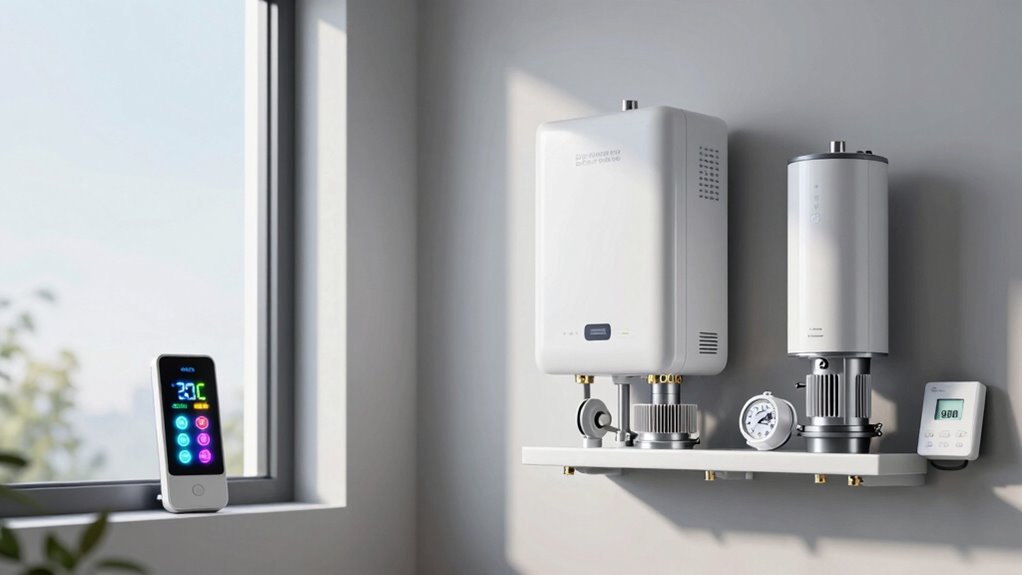
Smart controls and timers make it easy to automatically reduce energy consumption without constant manual effort. With smart thermostats, you can set your pumps and heaters to operate during ideal times, aligning with demand response signals. These devices can learn your schedule and adjust settings accordingly, ensuring energy is used only when needed. Timers automate the process further by turning equipment on or off at predetermined times, preventing unnecessary usage during peak hours. Integrating these controls helps you avoid high energy costs and reduces strain on the grid. You don’t have to remember to manually adjust settings—your system adapts seamlessly. This automation makes peak energy reduction simple and efficient, saving you money while supporting a more sustainable energy future.
Tips for Off-Peak Hot Water Heating
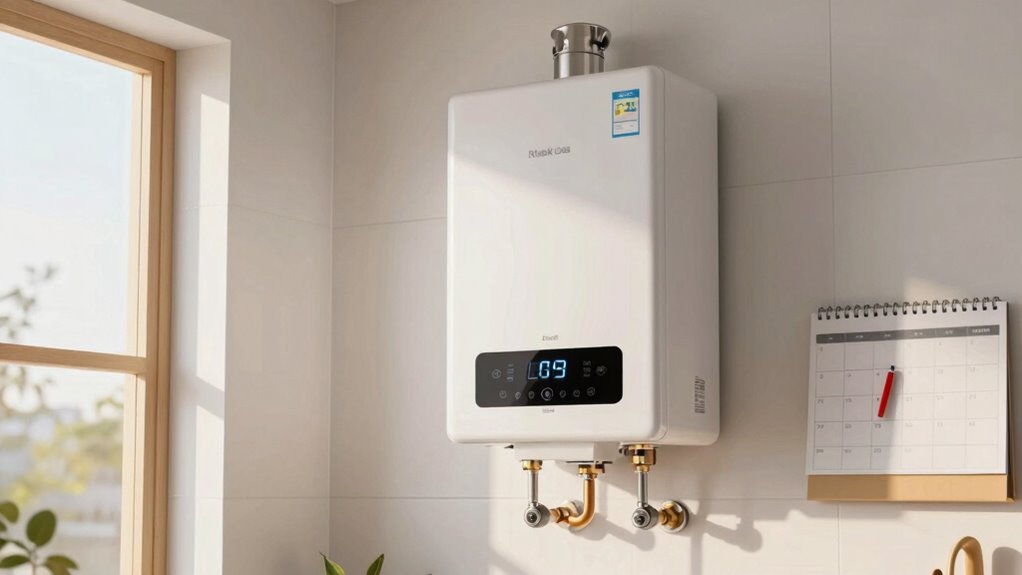
Heating your hot water during off-peak hours can considerably cut energy costs and ease demand on the grid. To maximize savings, consider leveraging solar incentives that promote renewable energy use, lowering your reliance on grid power. Additionally, upgrading your insulation can keep hot water warmer longer, reducing the need to reheat frequently. Schedule your water heater to run during lower-demand periods, often overnight or early mornings, to take advantage of lower rates. Check if your utility offers time-of-use plans that encourage off-peak heating. Proper insulation upgrades not only improve efficiency but also help maintain consistent water temperatures, making your system more energy-efficient overall. Combining these strategies ensures you’re using energy wisely and saving money on your utility bills.
How to Run Pool and Spa Pumps During Off-Peak Hours
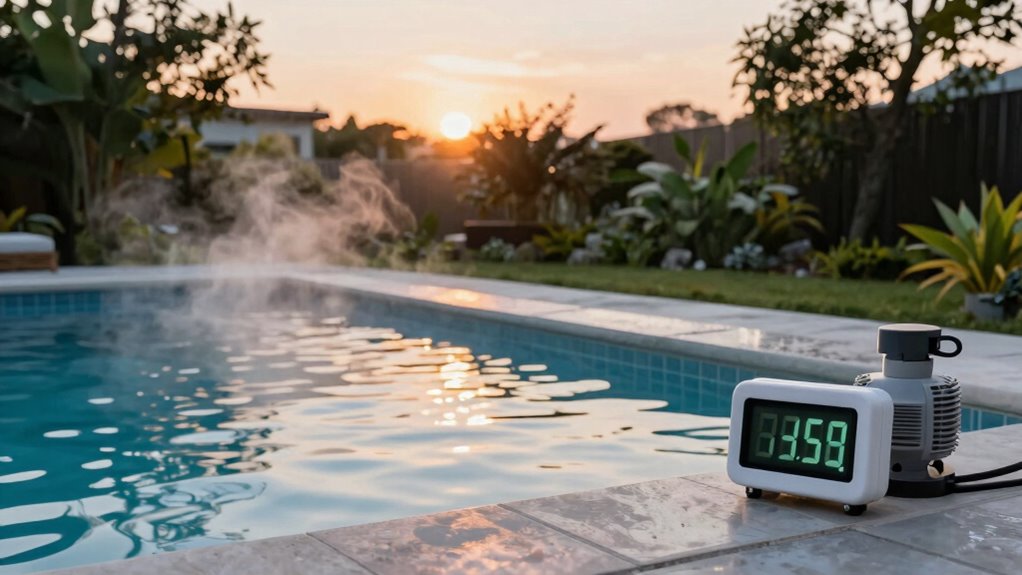
Running your pool and spa pumps during off-peak hours can markedly cut energy costs. To do this effectively, you need to identify the best times and develop a solid schedule. When you optimize timing and strategy, you’ll save money while reducing overall energy use.
Optimal Off-Peak Timing
To maximize energy savings, it’s important to run your pool and spa pumps during off-peak hours when electricity demand is lower. This not only saves money but also reduces strain on the grid. To optimize timing, consider scheduling your pumps when energy rates are at their lowest, often late at night or early morning. Conducting energy audits can uncover opportunities to improve thermal insulation around your equipment, further decreasing energy use. Remember, the right timing makes a difference:
| Time of Day | Energy Cost | Impact on Equipment |
|---|---|---|
| Midnight | Lowest | Minimal wear |
| Early Morning | Low | Efficient operation |
| Afternoon | Higher | Increased costs |
| Evening | Peak | Strain on resources |
Choose off-peak hours thoughtfully to maximize savings and efficiency.
Scheduling Strategies Effectively
Wondering how to guarantee your pool and spa pumps operate efficiently during off-peak hours? Scheduling strategies play a key role in optimizing energy use while supporting renewable integration and demand response. By aligning pump operation with your utility’s off-peak periods, you reduce strain on the grid and lower costs. Use programmable timers to automate these schedules, ensuring pumps run when energy demand is low. Incorporate demand response programs offered by your utility, which may reward you for shifting energy use. This approach not only cuts peak energy consumption but also helps stabilize the grid and promotes renewable energy integration. Consistently monitoring and adjusting your schedule makes certain your pumps operate at the most efficient times, maximizing savings and supporting a cleaner energy future.
Energy Cost Savings
Optimizing your pool and spa pump operation during off-peak hours can lead to significant energy cost savings. Running your pumps when electricity rates are lowest helps reduce your utility bills and enhances overall appliance efficiency. Take advantage of any solar incentives available, which can further lower operating costs if you incorporate solar-powered pumps or heaters. By scheduling pump use during these off-peak periods, you not only save money but also lessen the strain on the grid during high-demand times. Properly timed operation guarantees your equipment runs efficiently, extending its lifespan and reducing maintenance needs. Small adjustments in your pump schedule can make a substantial difference in your energy expenses over time, making this a smart strategy for cost-conscious homeowners.
Balancing Comfort and Savings in Your Heating System
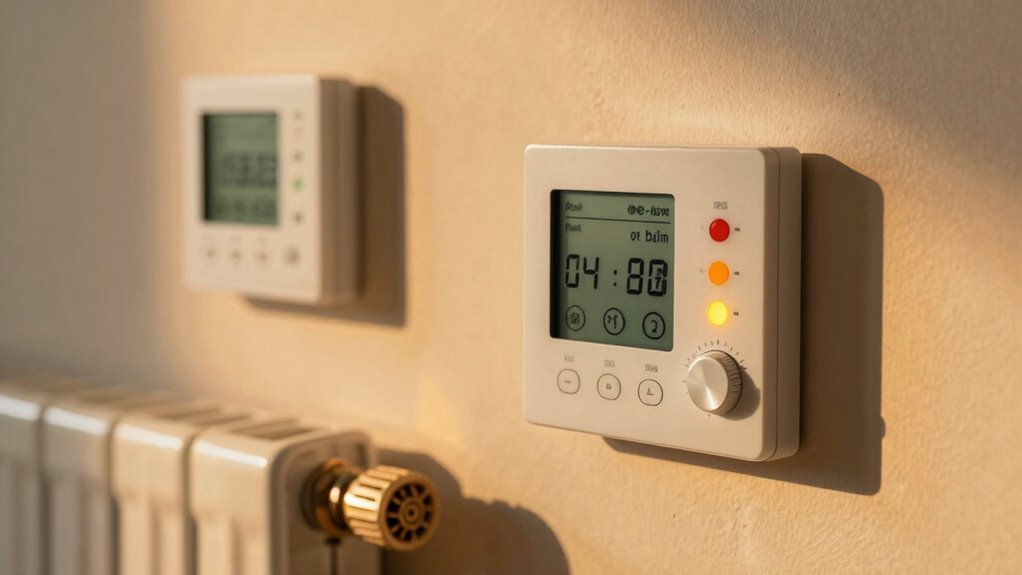
Finding the right balance between comfort and savings in your heating system requires careful adjustments. You want to maintain thermal comfort without wasting energy. To do this, set your thermostat wisely—using lower temperatures when you’re away or asleep, and raising it when you’re home. This helps improve energy efficiency while keeping your space comfortable. Consider using programmable thermostats to fine-tune heating schedules, ensuring you don’t overheat or underheat your home. Proper insulation also plays a critical role, reducing heat loss and allowing your system to work less hard. By balancing these factors, you can minimize energy consumption without sacrificing comfort, ultimately saving money while keeping your home cozy.
How to Track and Adjust Your Appliance Schedules Over Time
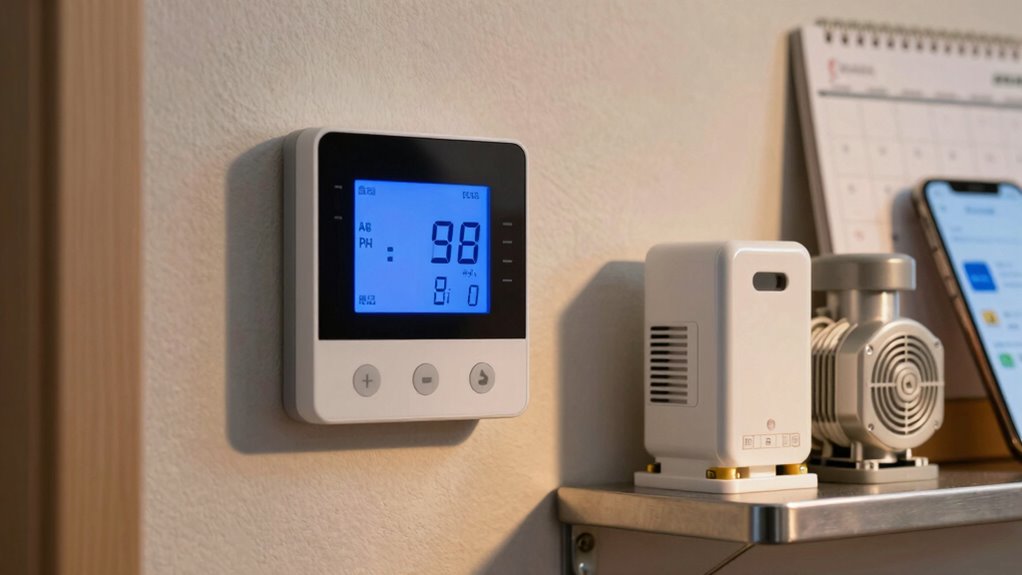
Tracking and adjusting your appliance schedules over time is essential for maximizing energy savings and maintaining comfort. Regular usage tracking helps identify patterns and inefficiencies, while appliance maintenance ensures everything runs smoothly. To keep your schedule optimized:
- Monitor energy consumption regularly using smart meters or apps.
- Record usage patterns and note any changes in your household routines.
- Perform routine appliance maintenance to improve efficiency and prevent unexpected energy spikes.
- Adjust your schedules based on this data, shifting operation times to off-peak hours when possible.
Consistently reviewing this information allows you to fine-tune your settings, reduce peak energy use, and save money. Staying proactive with usage tracking and appliance maintenance guarantees your energy plan remains effective over time.
Extra Tips for Cutting Peak Energy Use and Saving More
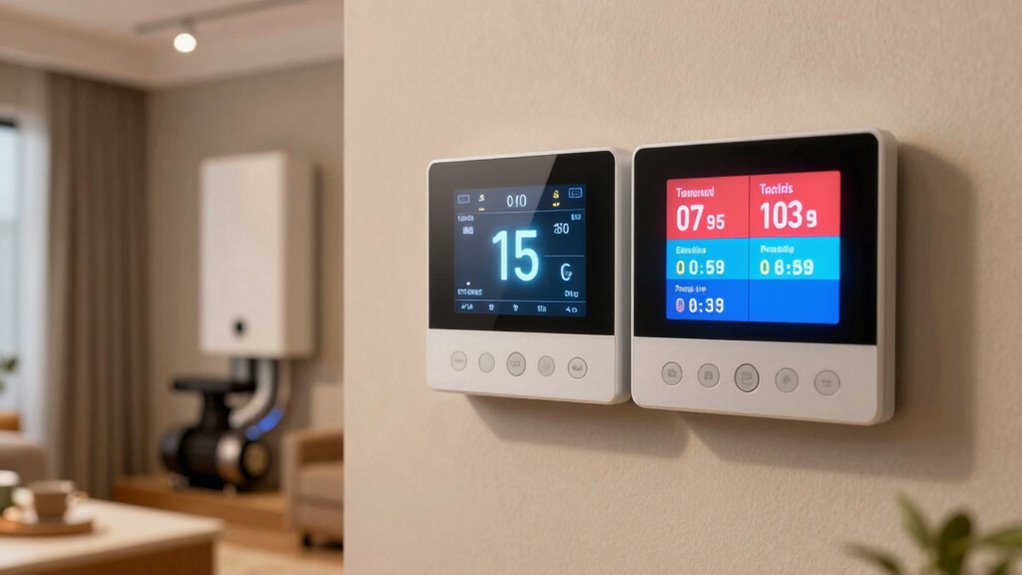
To further reduce your peak energy use, consider implementing smart home technologies that automatically adjust your appliances based on demand. These systems can optimize the operation of pumps, heaters, and other devices, shifting usage to off-peak hours and lowering your energy costs. Incorporating alternative energy sources, like solar panels, can also diminish reliance on grid power during peak times. Regular appliance maintenance ensures your equipment runs efficiently, preventing unnecessary energy spikes. Keep filters clean, check for leaks, and schedule professional tune-ups to maximize performance. By combining smart controls, alternative energy, and proper maintenance, you’ll effectively cut peak energy demand, save money, and extend the lifespan of your appliances. Small adjustments can lead to significant energy savings over time.
Frequently Asked Questions
Can I Manually Override Scheduled Pump and Heater Settings?
Yes, you can manually override scheduled pump and heater settings for greater scheduling flexibility. Most systems allow you to temporarily adjust or disable the schedule, giving you control when needed. Simply access your control panel or app, select the manual override option, and set your preferred operation times. Keep in mind, manual overrides may revert to the original schedule automatically, so check your system’s instructions for specific details.
How Do Weather Changes Affect Optimal Timing for Energy Use?
Think of your energy schedule like sailing a boat—weather fluctuations and seasonal adjustments are the shifting winds. When temperatures change, you should adjust your pump and heater timings accordingly to stay efficient. Warmer weather may mean running pumps during cooler parts of the day, while colder seasons might require more heating during peak sunlight hours. Stay flexible and monitor weather patterns to optimize your energy use effectively.
Are There Specific Times When Energy Rates Are Cheapest?
You can often save money by running your pumps and heaters during off-peak hours, when energy rates are cheapest. These times typically occur late at night or early morning, depending on your utility provider. Keep an eye on rate fluctuations, as they vary throughout the day. Scheduling your energy-intensive tasks during these periods helps you reduce costs and avoid high-rate periods during peak hours.
How Can I Monitor Real-Time Energy Consumption Effectively?
A stitch in time saves nine, so start monitoring your energy use now. You can do this effectively by installing a smart meter, which provides real-time energy tracking right on your device. With a smart meter, you’ll see exactly when your pumps and heaters consume the most power, allowing you to make smarter decisions to cut costs and reduce peak energy use. Stay proactive; knowledge is power.
What Maintenance Is Needed to Keep Energy-Efficient Systems Working?
You need to regularly calibrate your energy-efficient systems to guarantee they operate accurately and efficiently. Check and adjust system calibration periodically, especially after repairs or upgrades. Additionally, perform filter maintenance by cleaning or replacing filters as recommended. This keeps the system running smoothly, prevents strain on components, and maintains ideal energy savings. Consistent maintenance helps prolong system lifespan and maximizes energy efficiency over time.
Conclusion
Sure, here’s a satirical take for your conclusion:
So, go ahead—keep running your pumps and heaters at peak hours if you love wasting money and stressing the grid. Or, you know, you could just schedule them wisely, save cash, and help the planet. But hey, why bother with simple tricks when you can enjoy higher bills and contribute to power outages? Your choice—comfort and savings, or chaos and cost. The power’s in your hands!