
TL;DR
Listen free for 30 days with Audible
Thousands of audiobooks and originals — cancel anytime.
Start your free trialAs an affiliate, we earn on qualifying purchases.
Many solar panel owners wonder if cleaning boosts performance. Experts say regular washing can help in certain conditions, but unnecessary in others. The decision depends on local environment and panel condition.
There is currently no universal requirement to wash solar panels regularly, but experts suggest that cleaning may improve efficiency in specific conditions. This question has gained attention as more homeowners and businesses seek to optimize their solar energy production.
Solar panel manufacturers generally recommend periodic cleaning if panels become visibly dirty or covered with debris, especially in dusty or polluted environments. According to the National Renewable Energy Laboratory, cleaning can increase energy output by removing dirt, dust, or bird droppings that block sunlight. However, many experts emphasize that in typical conditions, rain often suffices to keep panels clean, reducing the need for manual washing.
Studies show that in areas with frequent dust storms, pollution, or heavy pollen, cleaning can lead to noticeable gains in energy efficiency. Conversely, in regions with regular rainfall, the natural washing effect often maintains panel cleanliness without additional effort. Manufacturers like SunPower and Tesla advise owners to assess their local environment and panel condition before deciding on cleaning routines.
Why Panel Cleaning Practices Impact Solar Efficiency and Maintenance Costs
Understanding whether to wash solar panels influences both energy output and maintenance costs. Proper cleaning can maximize energy production, especially in dusty or polluted areas, but unnecessary washing may waste resources and cause wear. This decision affects overall system performance and long-term investment value for solar owners.
As an affiliate, we earn on qualifying purchases.
Environmental Conditions and Maintenance Recommendations for Solar Panels
As solar energy adoption increases globally, maintenance practices remain a key consideration. Historically, many manufacturers have recommended cleaning only when panels are visibly dirty. Recent studies and environmental factors, such as dust storms in desert regions or pollution in urban areas, have prompted discussions about more proactive cleaning routines. However, the lack of a standardized guideline means practices vary widely among users.
“In most cases, rain does a sufficient job of keeping panels clean, and manual washing should be reserved for when dirt buildup significantly reduces efficiency.”
— Dr. Emily Chen, Solar Energy Expert
As an affiliate, we earn on qualifying purchases.
Lack of Consensus on Optimal Cleaning Frequency and Methods
There is no definitive scientific consensus on how often solar panels should be cleaned, as recommendations vary based on environmental conditions and panel types. While some studies suggest cleaning can improve efficiency in dusty or polluted areas, others indicate natural rain often suffices. Further research is needed to establish standardized guidelines, and practices currently depend on local context and owner judgment.
As an affiliate, we earn on qualifying purchases.
Ongoing Research and Development of Maintenance Guidelines for Solar Panels
Researchers are studying the long-term impacts of cleaning frequency on panel durability and efficiency. Industry groups and manufacturers are expected to develop clearer, evidence-based guidelines in the coming years. Meanwhile, solar owners are advised to monitor their panels and consult manufacturer recommendations tailored to their environment.
solar panel maintenance accessories
As an affiliate, we earn on qualifying purchases.
As an affiliate, we earn on qualifying purchases.
Key Questions
Does rain clean solar panels effectively?
In most cases, yes. Rain often removes dust and dirt, reducing the need for manual cleaning, especially in regions with regular rainfall.
When should I consider cleaning my solar panels?
If panels appear visibly dirty, or if you notice a significant drop in energy production, cleaning may help improve performance. Environmental factors like dust storms or pollution also influence this decision.
Can cleaning damage my solar panels?
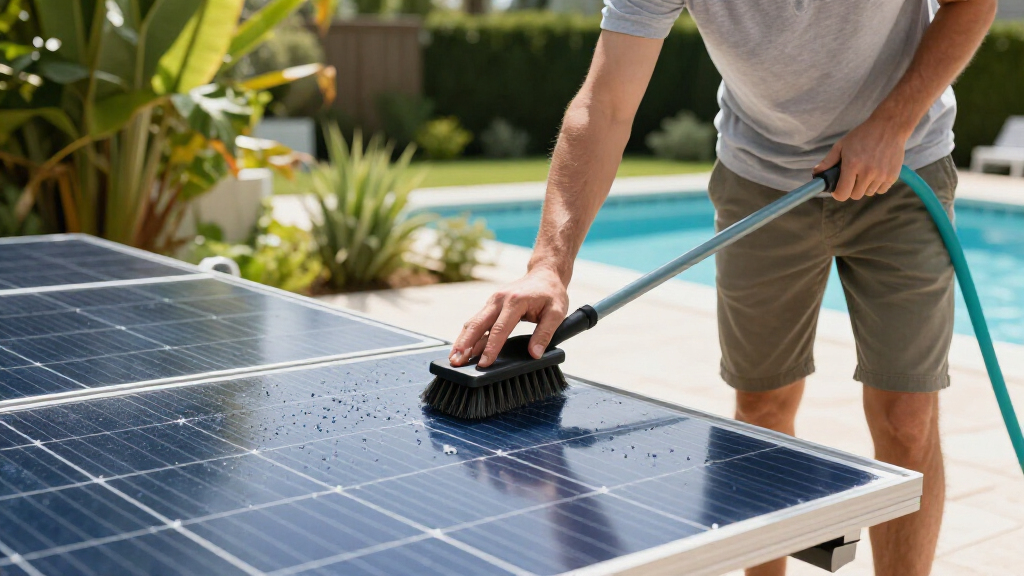
Improper cleaning methods, such as using abrasive materials or high-pressure water, can damage panels. It’s best to follow manufacturer instructions or consult a professional for cleaning.
How often should I clean my panels?
There is no one-size-fits-all answer. In dusty or polluted areas, monthly cleaning might be beneficial, while in rainy regions, annual inspections may suffice. Always assess your panels’ condition and local environment.
Are there environmentally friendly cleaning options?
Yes. Using soft cloths, mild soap, and water is generally safe. Avoid harsh chemicals that could harm the panels or the environment.
Source: hn
NFL season / tailgating Picks
team gear
As an affiliate, we earn on qualifying purchases.