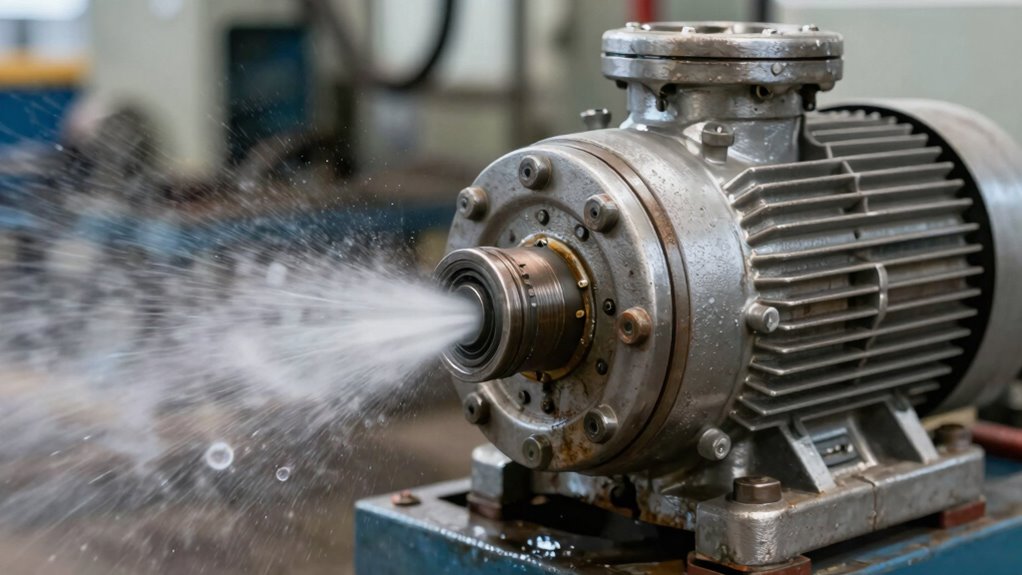
Cavitation happens when pressure drops below vapor pressure, forming bubbles that collapse loudly and cause damage. If your pump makes rattling noises, vibrates excessively, or loses efficiency, cavitation might be the culprit. It often occurs due to improper pressure, blockages, or incorrect pump sizing. Preventing cavitation involves proper installation, maintaining ideal pressure, and regular checks. To protect your pump and avoid costly repairs, it’s essential to understand its warning signs and causes. Keep exploring to learn more.
Key Takeaways
- Noisy, gravel-like sounds in a pump often indicate cavitation caused by vapor bubble collapse.
- Cavitation noise is a warning sign of low pressure zones inside the pump that need immediate attention.
- Persistent cavitation can lead to vibration, component damage, and reduced pump efficiency.
- Recognizing cavitation early through unusual noise helps prevent costly repairs and downtime.
- Proper system maintenance and pressure management are essential to eliminate cavitation noise.
pump cavitation noise detector
As an affiliate, we earn on qualifying purchases.
As an affiliate, we earn on qualifying purchases.
What Is Cavitation in Pumps and Why Does It Happen?
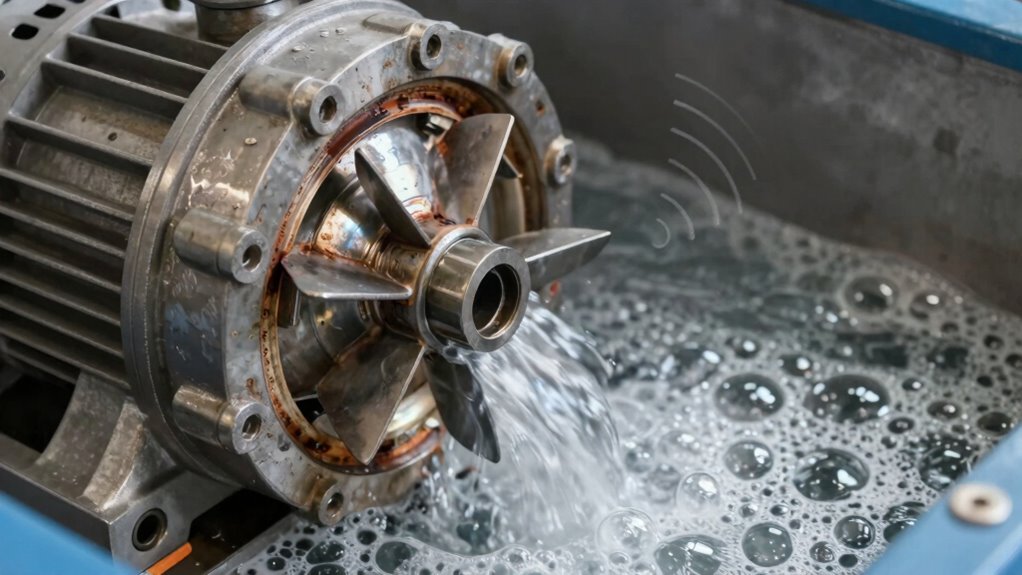
Have you ever wondered why pumps sometimes suddenly lose efficiency or make loud banging noises? This often relates to cavitation, a phenomenon influenced by fluid dynamics. Cavitation occurs when the pressure in the pump drops below the vapor pressure of the fluid, causing bubbles to form. These vapor bubbles can collapse violently, creating shockwaves that damage components and reduce pump efficiency. Understanding fluid dynamics helps explain why pressure fluctuations happen within the pump, especially at high flow rates or improper inlet conditions. When the pump isn’t designed or operated correctly, it can create zones of low pressure, fostering bubble formation. Recognizing how fluid movement and pressure changes impact pump performance is key to preventing cavitation and maintaining ideal operating conditions, as well as avoiding damage to pump components. Additionally, proper pump installation and maintenance are crucial in minimizing the risk of cavitation by ensuring optimal fluid flow management, and implementing monitoring techniques can help detect early signs of cavitation before significant damage occurs. Properly controlling flow rates and pressure levels is essential for preventing cavitation, especially in systems with variable demands.
PM633C Digital Vibration Meter, Measurement Analysis Mechanical Equipment Vibration Frequency, Acceleration, Velocity, Displacement, Temperature for Motors, HVAC, Engines, Generator, Pumps
Wide Range: The vibrometer gauge adopts a piezoceramic accelerometer (shearing Type ); (Acceleration: 0.1 to 300m/s2 at peak,…
As an affiliate, we earn on qualifying purchases.
As an affiliate, we earn on qualifying purchases.
How Can You Recognize the Signs of Cavitation?
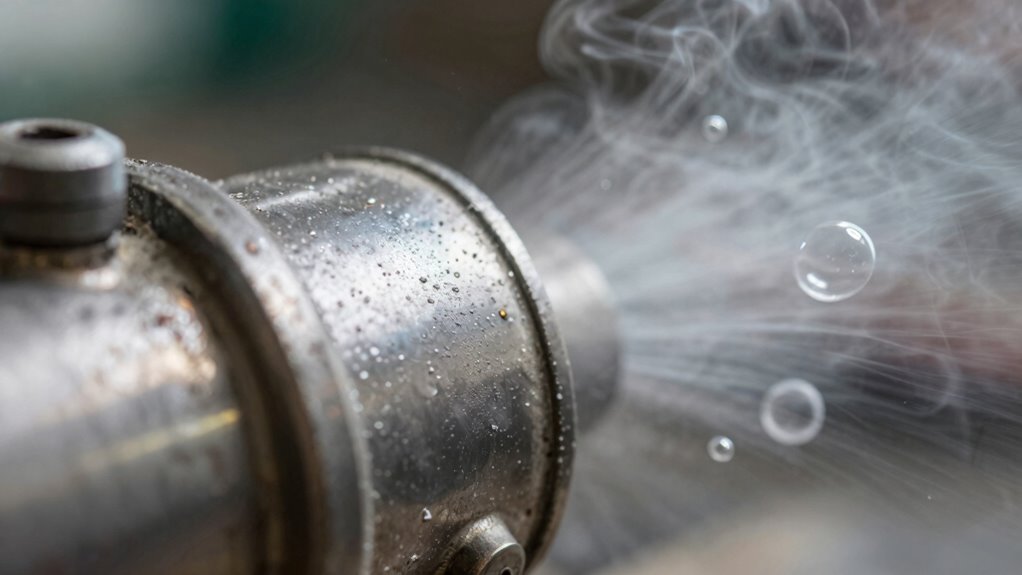
So, how can you tell if cavitation is affecting your pump? One clear sign is a drop in pump efficiency, as cavitation causes flow disruptions that reduce performance. You might notice the pump isn’t delivering the expected flow rate or pressure. Vibration analysis is also a valuable tool—you’ll likely detect abnormal vibrations or noise levels that weren’t present before. These vibrations occur due to collapsing vapor bubbles inside the pump, which generate shockwaves. Additionally, cavitation often produces a characteristic noise resembling gravel or marbles rattling. This noise can be quite high-pitched and persistent, making it easier to detect early signs of cavitation. Monitoring these signs helps you catch cavitation early, preventing damage and maintaining ideal pump efficiency. Regular inspection and analysis are essential for identifying cavitation symptoms before more serious problems develop. Recognizing early cavitation signs through vibration monitoring and sound analysis can save significant maintenance costs and downtime. Incorporating sound analysis techniques can further improve detection accuracy by identifying specific noise patterns associated with cavitation.
katikies Manual Air Relief Valve for Pool and Spa Filters, Pool Filter Air Relief Valve with Pressure Gauge Replacement, Compatible with Hayward, Pentair and More (ARF-2)
Universal Compatibility: Perfect fit for Warrior, Pentair (CCP100/320/420/520), Hayward (FNS/FNS Plus), SMBW 2000/4000 Series, Quad DE 60/80/100, Predator…
As an affiliate, we earn on qualifying purchases.
As an affiliate, we earn on qualifying purchases.
What Causes Cavitation, and How Can You Prevent It?
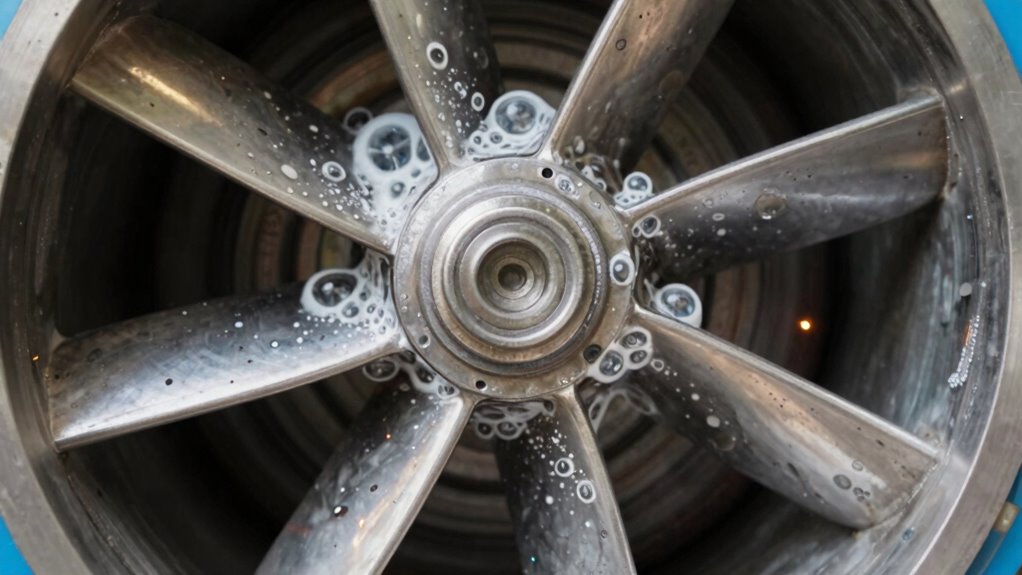
Cavitation occurs when the pressure in the pump drops below the vapor pressure of the liquid, causing bubbles to form and collapse violently. This process leads to pump noise and damage over time. To prevent cavitation, ensure your pump operates at the correct flow rate and avoid sudden pressure drops. Keep the inlet pressure high enough to prevent fluid vaporization, which is a primary cause of cavitation. Regularly inspect and maintain your pump components, such as filters and valves, to prevent blockages or restrictions that reduce pressure. Using the right pump size and ensuring proper installation also help maintain ideal pressure. Additionally, monitoring pump performance can help detect early signs of cavitation before significant damage occurs. Proper fluid dynamics management is essential for maintaining optimal pressure and flow conditions. By controlling flow and pressure conditions, you minimize the risk of cavitation, reduce noise, and protect your pump’s longevity. Ensuring consistent system operation further contributes to avoiding conditions that lead to cavitation. Maintaining an understanding of pressure fluctuations can also aid in early detection and prevention strategies. Consistent monitoring of pressure gauges can provide immediate insight into developing issues.

22-Piece Automotive Repair Kit for routine vehicle maintenance
【Auto Repair】This product is a comprehensive 22-piece automotive tool kit designed for daily vehicle maintenance.
As an affiliate, we earn on qualifying purchases.
As an affiliate, we earn on qualifying purchases.
How Do You Troubleshoot Cavitation Problems?
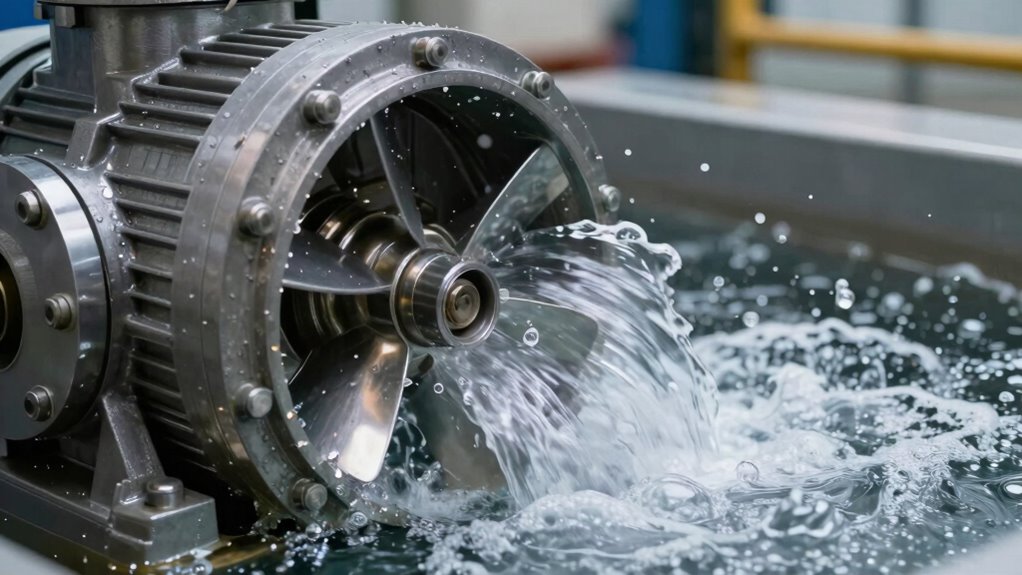
When you notice unusual noises, vibrations, or a drop in pump performance, these signs can indicate cavitation problems. To troubleshoot effectively, start by inspecting the pump’s operating conditions and fluid flow. Check for signs of reduced pump efficiency, which often results from cavitation disrupting fluid dynamics. Confirm the inlet pressure isn’t too low, causing the vapor bubbles to form. Examine suction lines for blockages or leaks that could cause pressure drops. Measure pressure and flow rates to identify inconsistencies. Adjust the system by increasing inlet pressure or reducing flow demands if necessary. Regularly monitoring these parameters helps you catch cavitation early. Additionally, understanding the fluid behavior within the system can provide deeper insights into the root causes of cavitation. Properly managing pressure levels is essential for preventing cavitation from damaging equipment. Maintaining the correct fluid properties, such as viscosity and temperature, can also help reduce the risk of cavitation. Being familiar with system dynamics can further assist in identifying early warning signs and preventing costly damage. Remember, understanding fluid dynamics and maintaining suitable operating conditions are key to diagnosing and resolving cavitation issues quickly.
How to Maintain Your Pump to Avoid Cavitation Damage
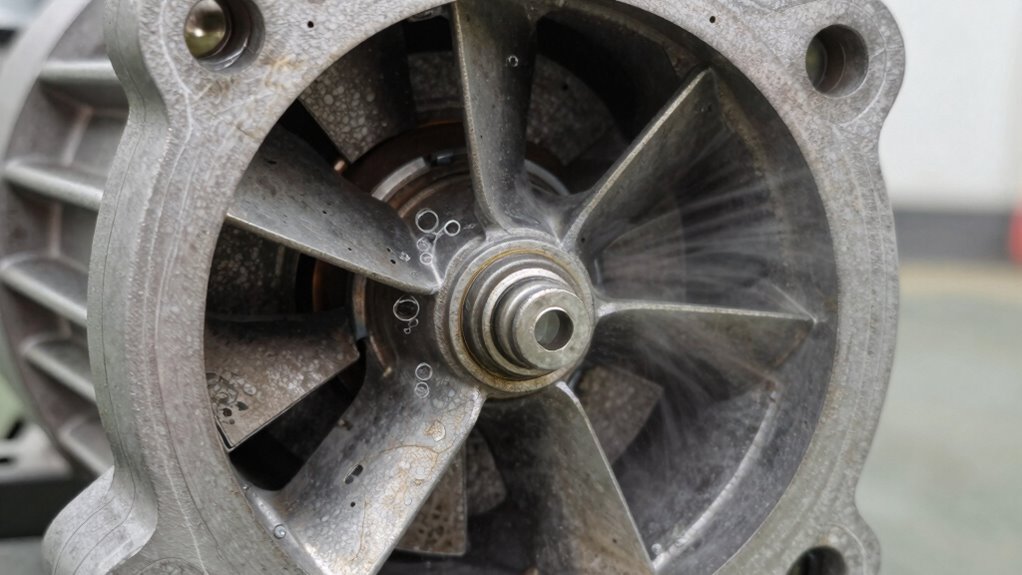
Regularly maintaining your pump is essential to prevent cavitation damage, as proper upkeep guarantees ideal performance and fluid flow. Focus on lubrication techniques to keep moving parts smooth and reduce friction that can cause wear and vibration. Proper lubrication also helps maintain seal integrity, preventing leaks that could lead to pressure drops and cavitation. Check seals regularly for signs of deterioration or leaks, replacing them promptly to preserve optimal pressure and flow. Keep the pump clean and free of debris that could obstruct fluid pathways or cause uneven wear. Monitoring operating conditions and ensuring the pump isn’t running dry or under excessive load also helps minimize cavitation risks. Consistent maintenance extends your pump’s lifespan and keeps it running efficiently, avoiding costly cavitation damage.
Frequently Asked Questions
Can Cavitation Occur in All Types of Pumps?
Cavitation can occur in most types of pumps if the pump design isn’t suitable for the fluid properties involved. When fluid properties like vapor pressure and viscosity aren’t considered, cavitation is more likely to develop. You should check your pump’s design and verify it matches the specific fluid’s properties to prevent cavitation. Proper selection and maintenance help avoid damage and keep your pump running smoothly.
What Are the Long-Term Effects of Cavitation on Pump Lifespan?
Cavitation can reduce your pump’s lifespan by up to 30%, causing severe material degradation over time. It leads to pitting, erosion, and cracks that weaken components, making maintenance more challenging and costly. If ignored, these effects accelerate wear and tear, often resulting in premature pump failure. Regular monitoring and prompt action can help you extend your pump’s durability and avoid costly repairs caused by long-term cavitation damage.
How Does Fluid Temperature Influence Cavitation Risk?
Higher fluid temperatures lower viscosity, making cavitation more likely because bubbles form more easily when the fluid’s less resistant. As temperature approaches certain thresholds, the risk considerably increases, potentially causing damage. To prevent cavitation, you should monitor fluid temperature carefully and maintain it within recommended limits, especially in systems handling fluids with varying viscosities. Keeping an eye on temperature thresholds helps extend your pump’s lifespan and ensures reliable operation.
Are There Specific Industries More Prone to Cavitation Issues?
You should know that industries like oil and gas, marine, and hydraulic systems are especially prone to cavitation issues. In fact, over 60% of equipment failures in these sectors stem from cavitation-related damage. This makes regular equipment maintenance essential to prevent costly breakdowns. If you work in these industries, stay vigilant about pump noise and vibrations, as they often signal cavitation that could jeopardize your equipment’s longevity.
What Advanced Technologies Help Detect Cavitation Early?
You can detect cavitation early using advanced technologies like ultrasound diagnostics and vibration monitoring. Ultrasound diagnostics allows you to visualize cavitation bubbles and monitor their formation in real-time, providing early warnings. Vibration monitoring detects abnormal vibrations caused by cavitation activity, enabling you to address issues before they cause damage. Together, these technologies help maintain pump efficiency, prevent failures, and extend equipment lifespan by catching cavitation signs early.
Conclusion
By understanding cavitation and its warning signs, you can catch problems before they turn into costly repairs. Regular maintenance and proper troubleshooting are your best tools to keep your pump running smoothly. Don’t ignore that noisy pump — it’s a red flag you can’t afford to overlook. When you stay vigilant, you safeguard your equipment and keep your operations flowing seamlessly. Remember, a stitch in time saves nine; act now to prevent bigger issues later.