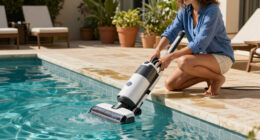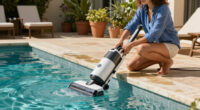
Set up and use an automatic pool vacuum cleaner to remove debris from your pool with less manual work. This guide is for pool owners who are new to robotic, suction-side, or pressure-side cleaners. Allow 30-60 minutes for setup and the first cleaning cycle; the cleaning cycle itself may take longer, depending on the model and pool size.

Get pool and patio gear delivered free with Prime
- Fast, free delivery on millions of items
- Prime Video, Amazon Music and more included
- Member-only deals all year

Zodiac G3 Suction-Side In-Ground Pool Cleaner
- ✔ Pool type: In-ground
- ✔ Power source: Pool suction
- ✔ Pump compatibility: Single-speed, two-speed, variable-speed and low-flow pumps
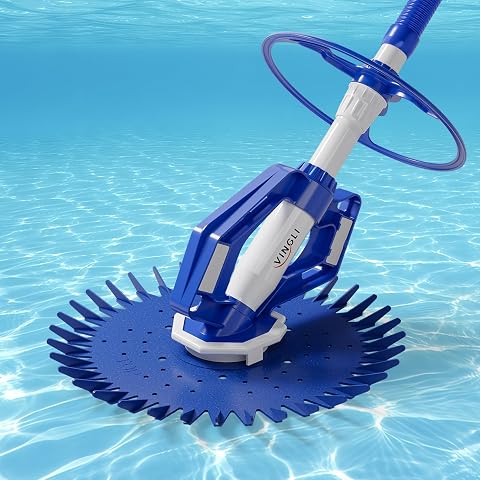
VINGLI Automatic Wall-Climbing Pool Cleaner with 33-Foot Hoses
- ✔ Brand: VINGLI
- ✔ Model: Suction Pool Cleaner 277
- ✔ Power source: Air-powered; connects to pool filtration

XtremepowerUS Automatic Suction-Side Pool Cleaner with 30-Foot Hose Set
- ✔ Pool type: In-ground swimming pools
- ✔ Cleaning type: Automatic suction-side
- ✔ Power source: Existing pool pump
Difficulty: Beginner | Time: 30-60 minutes for setup and the first cleaning cycle
What You’ll Need
Tools & Materials:
- Automatic pool cleaner and its manual
- Pool brush or leaf net for large debris
- Clean filter basket or cleaner filter
- Garden hose, if the cleaner manual calls for one
Knowledge:
- Know the pool type, approximate dimensions, and water depth
- Know where the pool pump, skimmer, and return fittings are
- Be able to switch off pool equipment at its controls
Check that the cleaner is made for your pool surface and is compatible with its pump, filter, and plumbing. The manual takes priority for connection, operating limits, and cleaning instructions. Keep electrical plugs and power supplies away from standing water, and never enter the pool while equipment is operating.
Zodiac G3 Suction-Side In-Ground Pool Cleaner
The Zodiac G3 is our strongest all-around choice because its compatibility details address a common source of mismatch: pump flow. It is listed for single-speed, two-speed, variable-speed and low-flow pumps, and its FlowKeeper valve regulates water flow. That gives it a clearer fit across different in-ground filtration setups than VINGLI, which specifies a minimum pump capacity, and XtremepowerUS, whose supplied details do not list a comparable range.Coverage is another reason it leads this group. The G3 is described as cleaning floors, walls and steps on tile, vinyl, gunite and fiberglass. Its 36-fin disc is intended to grip surfaces, while the wheel deflector helps it move through tight corners. The 39-foot hose is also the longest of the three listed sets, giving buyers more reach to work with than VINGLI’s 33 feet or XtremepowerUS’s 30 feet, though actual fit depends on pool layout.There are limits: it is designed for in-ground pools and still needs a compatible skimmer or dedicated suction line. Its plastic construction and suction-based design do not make it independent of the pool’s filtration system. The single-moving-part design is presented as a way to simplify maintenance and support quiet operation, but buyers who want a cleaner that does not rely on pool suction should look elsewhere. Among these three, the G3 makes the most sense when broad pump compatibility and clearly stated coverage outweigh the need to verify a suction connection.
Pros:
- Listed for single-speed, two-speed, variable-speed and low-flow pumps
- Described for floors, walls and steps
- Compatible with tile, vinyl, gunite and fiberglass
- 39-foot hose and wheel deflector support reach and corner navigation
Cons:
- Designed for in-ground pools
- Requires a compatible skimmer or dedicated suction line
- Relies on the pool’s suction system rather than operating independently
Best for: In-ground pool owners who want stated support for low-flow or variable-speed pumps and coverage that includes steps and multiple surfaces.
Not ideal for: Owners of above-ground pools, or anyone without a compatible skimmer or dedicated suction line.
Bottom line: Choose the Zodiac G3 when pump flexibility, step coverage and a longer hose matter more than avoiding a suction-line connection.
“Choose the Zodiac G3 when pump flexibility, step coverage and a longer hose matter more than avoiding a suction-line connection.”
VINGLI Automatic Wall-Climbing Pool Cleaner with 33-Foot Hoses
VINGLI earns a distinct place for buyers who want an automatic cleaner explicitly described as handling both pool walls and floors, with a 33-foot hose set included. Its ten 3.3-foot sections provide a useful amount of reach, sitting between XtremepowerUS’s 30 feet and the G3’s 39 feet. A wheel deflector is intended to help it negotiate tight corners, which matters in pools where a cleaner can otherwise struggle to move around the layout.The tradeoff is that VINGLI states a specific pump threshold: the pool pump must be rated at least 3/4 HP or 1,600 GPH. This makes the compatibility check especially important. The G3 is the more accommodating choice for buyers with low-flow or variable-speed pumps, because its listed compatibility directly covers those setups. XtremepowerUS also uses an existing pump, but its supplied description does not give the same minimum capacity figure.VINGLI connects to an existing filtration system and is air-powered, so it is not a standalone device. It is described as quiet and includes scuff-resistant hoses, but buyers still need to verify that the hose length suits their pool and that their pump meets the stated minimum. It is a reasonable fit for someone prioritizing wall-and-floor cleaning and a longer hose than XtremepowerUS provides, provided the pump requirement is met. If pump flexibility is the deciding factor, we would favor the G3.
Pros:
- Cleans pool walls as well as floors
- Includes ten durable 3.3-foot hoses for 33 feet of reach
- Wheel deflector helps with tight corners
- Designed for quiet operation
Cons:
- Requires a pump rated at least 3/4 HP or 1,600 GPH
- Connects to an existing filtration system
- Listed details do not establish the broad low-flow pump compatibility stated for the Zodiac G3
Best for: Pool owners whose pump meets the stated minimum and who want a suction cleaner described for both walls and floors with a 33-foot hose set.
Not ideal for: Owners with a pump below 3/4 HP or 1,600 GPH, or buyers seeking a cleaner that does not connect to existing filtration.
Bottom line: Pick VINGLI for stated wall-and-floor cleaning and 33 feet of hose if your pump meets its minimum capacity.
“Pick VINGLI for stated wall-and-floor cleaning and 33 feet of hose if your pump meets its minimum capacity.”
XtremepowerUS Automatic Suction-Side Pool Cleaner with 30-Foot Hose Set
XtremepowerUS keeps the setup concept simple: connect the cleaner to a compatible pool skimmer or dedicated suction line, then use the existing pump to draw in dirt, sand, leaves and small debris. It does not require a separate booster pump or electrical connection. That same suction-side approach appears in the VINGLI and Zodiac, so the real distinction is fit and the amount of compatibility detail provided.This model is specifically designed for in-ground pools. Its flexible disc is described as moving across pool floors and climbing walls, while the included ten-hose set totals 30 feet. That is less reach than VINGLI’s 33 feet and the G3’s 39 feet, so pool size and hose routing deserve a check before purchase. The G3 has more explicit coverage for steps and named pool surfaces; XtremepowerUS’s description does not make those same claims.We would shortlist it when the pool is in-ground, the suction connection is compatible and the 30-foot hose set suits the layout. The tradeoff is that the available details do not specify a pump threshold or broad pump compatibility, as the G3 does, nor do they describe the same corner-navigation aid as the wheel deflectors on VINGLI and Zodiac. Buyers who need more documented pump flexibility or a longer hose should compare the G3 first. XtremepowerUS is best viewed as a direct, pump-powered option for an in-ground pool with a known suitable suction hookup.
Pros:
- Uses the existing pool pump without a separate booster pump
- No electrical connection required
- Flexible disc is designed to clean floors and climb walls
- Includes ten suction hoses totaling 30 feet
Cons:
- Designed for in-ground pools
- Requires a compatible pool skimmer or dedicated suction line
- Supplied details do not state a pump range or step-cleaning coverage
Best for: In-ground pool owners with a compatible skimmer or suction line who want a cleaner using the existing pump without an electrical connection.
Not ideal for: Above-ground pool owners, those without a compatible suction connection, or buyers who need documented low-flow pump support or more than 30 feet of hose.
Bottom line: Choose XtremepowerUS for a simple in-ground suction setup when its 30-foot hose and connection requirements fit your pool.
“Choose XtremepowerUS for a simple in-ground suction setup when its 30-foot hose and connection requirements fit your pool.”
As an Amazon Associate we earn from qualifying purchases.
Before You Start
Identify which kind of cleaner you have. A robotic cleaner uses an electrical power supply and usually filters debris in its own basket. A suction-side cleaner connects to a skimmer or dedicated suction line and uses the pool pump. A pressure-side cleaner connects to a return line and may use a booster pump. These types have different setup steps, so follow the matching instructions below and the manufacturer’s manual.
Check the pool water level and pump operation before connecting a suction-side or pressure-side cleaner. If the pool has heavy leaf buildup, remove large debris by hand first; it can clog the cleaner or pool plumbing.
Step-by-Step Instructions
Step 1: Inspect the cleaner and pool
Read the manual, then check the cleaner, hose, cable, connectors, and filter for damage or blockages. Remove large leaves and branches from the pool with a net. Empty the skimmer and pump baskets if they are full.
Tip: Do not use a cleaner with a split hose, frayed cable, cracked housing, or damaged plug. Replace or repair parts according to the manufacturer’s instructions.
Check: The cleaner and its connections are intact, and large debris has been removed.
Step 2: Prepare the filter and pump
Clean the pool filter and baskets before the first run. For a suction-side or pressure-side cleaner, switch off the pump before changing valves or attaching hoses. Confirm that the pool water is at the level specified by the pool and cleaner manuals.
Tip: A dirty filter or low water level can reduce suction and interfere with cleaning. Do not change valve positions unless you know their purpose.
Check: The filter and baskets are clean, the water level is in range, and the pump is off while you prepare plumbing connections.
Step 3: Connect the cleaner using its matching setup
For a robotic cleaner: Place the power supply on a stable, dry surface outside the pool’s splash zone. Connect the cable as directed, keeping the plug and power supply dry. Leave enough cable to reach the pool without creating a tight pull.
For a suction-side cleaner: Assemble the hose sections and connect them to the skimmer or dedicated suction line specified by the manual. Use the prescribed adapter or vacuum plate, and prime the hose if the instructions require it.
For a pressure-side cleaner: Attach the hose to the specified return fitting. Connect or activate a booster pump only as the manual directs. Keep the pool pump off until fittings are secure.
Tip: Use the connection specified for your cleaner. An incorrect skimmer, return, or valve connection can reduce cleaning performance or affect the pool’s circulation.
Check: All fittings are secure, the hose or cable can reach the pool without strain, and the robotic power supply remains dry.
Step 4: Set the cleaner in the pool
Lower the cleaner into the water gently. For a hose-connected cleaner, feed the hose into the pool as directed, releasing trapped air if required. For a robotic cleaner, lower it by its handle or the method shown in the manual; do not pull it by the cable. Position the cleaner away from steps, ladders, and other obstructions.
Tip: Never throw the cleaner into the pool. Sudden impact can damage its housing or internal parts.
Check: The cleaner is fully in the water, the hose or cable is free of tangles, and no part is being pulled sharply.
Step 5: Start the cleaning cycle
Start the pool pump for a suction-side or pressure-side cleaner, then check for leaks and normal water circulation. For a robotic cleaner, connect power and select a cycle according to the manual. Let the cleaner operate for the recommended cycle time and keep swimmers out while it runs.
Tip: If the cleaner moves erratically, loses suction, or stops, switch it off before checking connections or clearing a blockage.
Check: The cleaner moves or operates as expected, water continues to circulate normally where applicable, and there are no visible leaks.
Step 6: Watch the first run and clear obstacles
Observe the cleaner during its first few minutes. Check that it reaches the areas it is designed to clean and that the hose or cable does not loop around ladders, drains, or fittings. If it gets stuck, switch off the equipment before moving it or changing the setup.
Tip: Some cleaners are designed for floors only; others can climb walls or clean the waterline. Compare its route with the capabilities stated in the manual.
Check: The cleaner follows a steady route without repeated tangles, stalls, or obstruction at the same spot.
Step 7: Remove and clean the cleaner
Stop the cleaner at the end of its cycle. Switch off the pool pump before disconnecting a hose-connected unit; unplug a robotic cleaner by handling the plug, not pulling the cable. Lift the cleaner using its handle or retrieval method, then empty and rinse its basket or filter.
Tip: Allow a robotic cleaner to drain over the pool before carrying it away. Store the cable loosely and out of direct sun if the manual recommends it.
Check: The cleaner is off and disconnected safely, and its filter basket or bag is empty and rinsed.
Step 8: Check the pool and restore normal operation
Look over the pool floor, walls, and waterline to see whether the cleaner covered its intended areas. Check the cleaner filter and pool filter for collected debris. Return valves to their normal positions if you changed them, and restart the pool system as needed for regular circulation.
Tip: A first cycle may not remove every stain or fine particle. Brush missed spots and run another cycle if the manual permits it.
Check: The pool has less loose debris, the cleaner filter contains the material it collected, and the pool system is back in its usual operating configuration.
Common Mistakes to Avoid
- Connecting the cleaner to the wrong line or using an incompatible model. — Check the cleaner type and the pool’s fittings before setup; follow the manual’s connection diagram.
- Running the cleaner with a full basket or dirty pool filter. — Empty baskets and clean the filter before operating, then check them after the first cycle.
- Pulling a robotic cleaner out by its cable. — Use the handle or retrieval method in the manual, and unplug by gripping the plug.
- Leaving a hose or cable tangled around pool fittings. — Route it with enough slack to move freely and watch the first few minutes of operation.
Troubleshooting
Problem: The cleaner does not move or start.
Solution: Switch it off, then check that the power supply is connected for a robotic model or that the pump is running for a hose-connected model. Inspect the filter, hose, and fittings for clogs or disconnections. Restart only after correcting the cause.
Problem: The cleaner moves slowly or has weak suction.
Solution: Clean the cleaner basket, skimmer and pump baskets, and pool filter. Check that the water level is correct and the hose is connected as specified. If suction remains weak, consult the pool or cleaner manual for pump and valve settings.
Problem: The hose or cable tangles, or the cleaner gets stuck.
Solution: Stop the cleaner and free the hose or cable. Reposition it away from ladders and fittings, remove obstacles, and check the manual for recommended hose length or cable management. Contact the manufacturer if the problem repeats.
Problem: The pool still has debris after a cycle.
Solution: Check whether the debris is too large for the cleaner, empty its filter, and remove heavy leaf buildup by hand. Confirm that the model covers the missed surface and run another cycle if permitted.
What Success Looks Like
The cleaner runs through its specified cycle without leaks, repeated stalls, or cable strain. Its filter contains collected debris, and the pool has fewer loose leaves, dirt, or other material on the surfaces the model is designed to clean. The pump and valves return to their normal settings after cleanup.
Next Steps
Rinse the cleaner filter after each use and inspect hoses, wheels, brushes, and cables regularly. Follow the manual for storage, filter cleaning, and service intervals. If cleaning performance drops after baskets and filters are clear, check for wear or contact the manufacturer. Keep the pool’s water chemistry and circulation within the ranges recommended for your pool.
Frequently Asked Questions
How long should I run an automatic pool cleaner?
Use the cycle length recommended for your cleaner and pool. Robotic models often have preset cycles; hose-connected cleaners may need to run long enough to cover the pool. Check the pool during the first cycle to confirm its route.
Can I swim while the cleaner is running?
Keep swimmers out while a cleaner is operating. This is especially important for electrical robotic cleaners and for hose-connected models that can create an entanglement or obstruction hazard. Follow the manual’s safety directions.
Should I run the pool pump while using an automatic cleaner?
Suction-side and pressure-side cleaners rely on the pool pump, and some pressure-side models also require a booster pump. Robotic cleaners generally operate independently, but follow the model instructions and your pool system’s guidance.
Why does my cleaner miss steps or corners?
Some models are not designed to clean every surface or shape. Check the stated coverage, clear obstructions, and confirm that hose length or cable routing matches the manual. Brush missed areas by hand when needed.
How often should I clean the cleaner’s filter?
Empty or rinse it after each cycle, or sooner if it fills during use. Frequent cleaning prevents collected debris from restricting flow and helps the cleaner maintain performance.