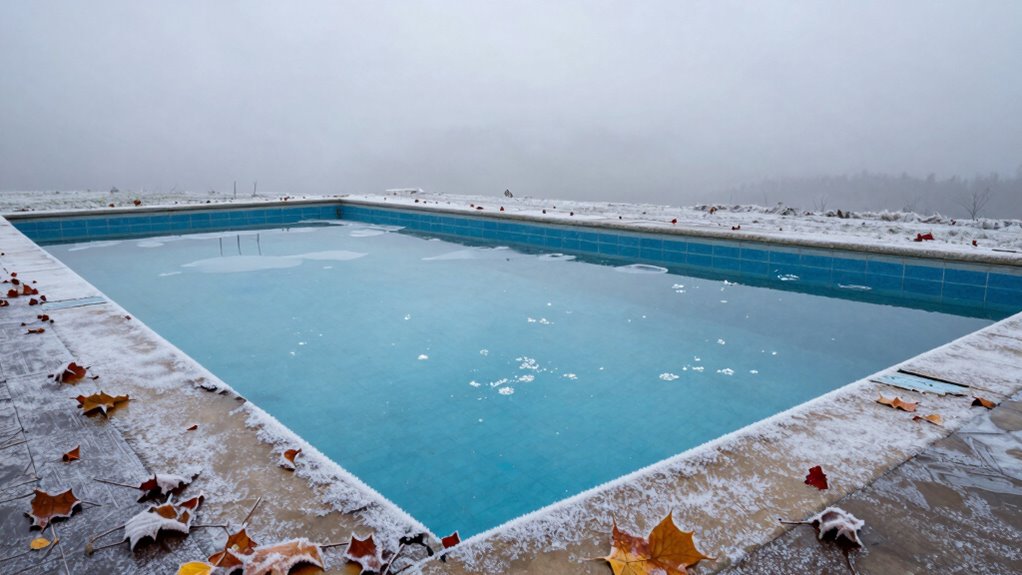

Failing to properly balance water chemistry before winter can cause corrosion, scale buildup, and cloudy water, damaging your pool. If you don’t thoroughly clean and winterize your equipment, freezing water can crack components and seals. Neglecting to remove all water from the pool and accessories allows ice to form and cause serious structural damage. Improper coverage or storage traps water, risking mold or freeze damage. Keep these mistakes in mind to protect your pool; uncover more tips to prevent costly repairs.

Get pool and patio gear delivered free — and shop member deals
- Fast, free delivery on millions of items
- Access to Prime Big Deal Days deals on October 6–7
- Prime Video, Amazon Music and more included
Key Takeaways
- Failing to properly balance water chemistry can cause corrosion or scale buildup during winter.
- Not thoroughly cleaning and winterizing equipment increases risk of freezing and cracking.
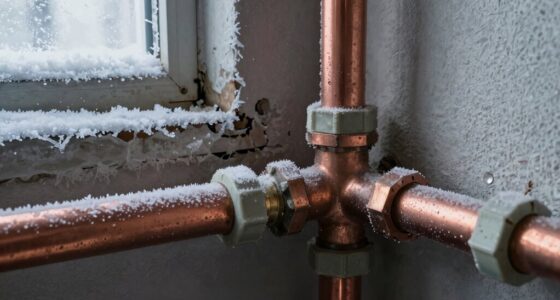
- Leaving water in lines and accessories traps moisture, leading to freeze damage.
- Using an improper cover without drainage can trap water and cause structural damage.
- Neglecting correct storage of equipment accelerates wear, mold growth, and reduces lifespan.
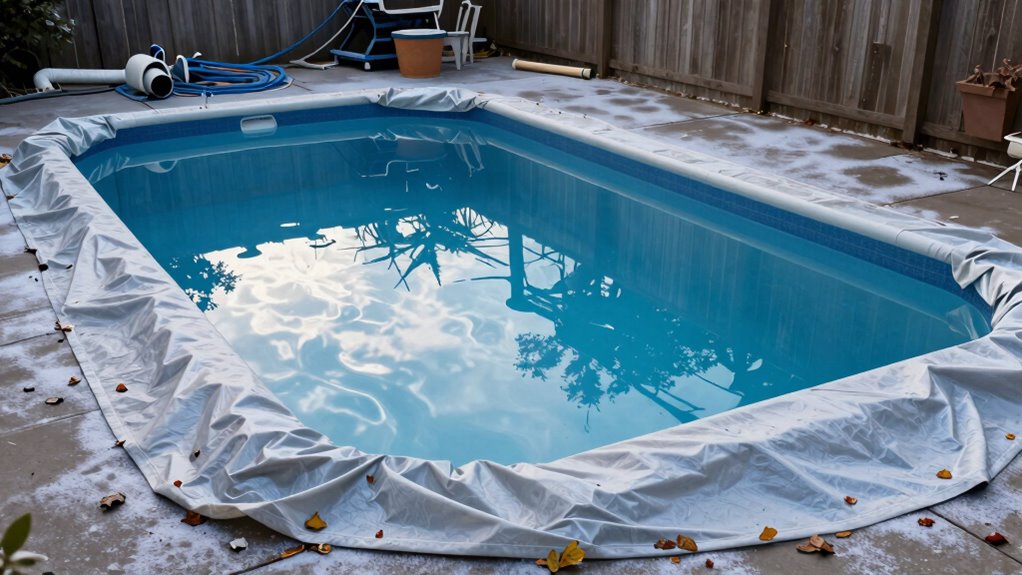
Are you confident you’re closing your pool correctly for the off-season? If not, you might be setting yourself up for costly problems come spring. One of the biggest mistakes homeowners make is neglecting the importance of balancing the water chemistry before closing. A chemical imbalance can cause corrosion or scale buildup during the winter months, damaging your pool’s surfaces and equipment. Properly balancing the pH, alkalinity, and sanitizer levels ensures the water is stable and less likely to cause issues over the winter. Ignoring this step can lead to cloudy water, algae growth, or even damage to the pool’s liner and equipment when you reopen it.
Along with chemical imbalance, many pool owners overlook the significance of thorough equipment maintenance. Failing to clean and winterize your pump, filter, and heater properly can result in freezing and cracking. Water left in these components expands when frozen, which can break pipes or damage motors. You should drain and clean your equipment carefully, removing any debris that could cause corrosion or clogging. Additionally, lubricate o-rings and seals to prevent them from drying out or cracking during the cold months. It’s also important to check for any signs of wear or damage before storing equipment for the winter to avoid surprises in the spring. Proper winterization techniques are essential to prevent these issues and protect your investment during the off-season. Neglecting proper storage procedures can also lead to mold or mildew growth, further complicating your spring reopening. Ensuring your equipment is properly stored can extend its lifespan and improve its efficiency when you reopen the pool.
Another common mistake is not removing all water from the pool and its accessories. Standing water can freeze and cause cracks in the liner or other parts. Use a pool blower or air compressor to blow out the lines and ensure they’re completely empty. Covering the pool without properly draining it creates a trap for water that can freeze and cause damage. This is why understanding the importance of proper drainage is critical for effective winterization. It might seem easier to just cover the pool quickly, but this shortcut can backfire when ice forms and exerts pressure on the pool’s structure. Proper winterization techniques are essential to prevent these issues and protect your investment during the off-season. Failing to follow these steps carefully can lead to costly repairs and extended downtime when reopening your pool in the spring. Taking the time to thoroughly drain and winterize all components is a crucial step in safeguarding your pool’s integrity through the winter months.
As an affiliate, we earn on qualifying purchases.
Frequently Asked Questions
When Is the Best Time to Close My Pool for Winter?
You should close your pool in late fall, ideally when the weather consistently stays below 50°F. Before closing, guarantee your water has a proper winter chemical balance to prevent algae and corrosion. Follow your pool opening checklist to prep everything correctly. Doing this ensures your pool stays in good shape over winter, avoiding costly repairs or damage when you reopen it in spring.
Should I Remove All Pool Accessories Before Closing?
Removing all pool accessories before closing is like clearing clutter from your workspace—keeping things tidy helps prevent damage. You should definitely take out toys, ladders, and inflatables, and store them safely. This allows you to perform thorough equipment maintenance and properly balance pool chemicals, which are essential for winterizing. Without removing accessories, debris can accumulate, and equipment could get damaged, making spring startup more difficult.
How Do I Prevent Freezing Pipes During Winter?
To prevent freezing pipes during winter, you need to focus on proper pool maintenance and winter preparation. Start by lowering the water level and adding anti-freeze to the plumbing lines. Insulate exposed pipes with foam covers or blankets, and keep the pool area heated if possible. Regularly check for leaks or cracks, and run the pump intermittently to circulate warm water. These steps help protect your pool’s pipes from freezing damage.
Is It Necessary to Drain the Entire Pool?
Yes, you should drain your pool, but not completely. To protect it from freezing damage, follow a maintenance checklist that includes removing water from the plumbing lines and lowering the water level below the skimmer. Balance your pool chemicals before closing, preventing algae and corrosion. Proper drainage and chemical adjustments help avoid costly repairs. Always consult your pool manufacturer’s instructions for specific winterizing steps to guarantee your pool stays in great shape.
What Kind of Winter Cover Is Most Effective?
You should choose a sturdy, safety mesh winter cover for effective winter safety and cover maintenance. Mesh covers allow water to drain while keeping debris out, reducing the risk of damage or accidents. They’re easy to install and remove, making winter pool care simpler. A high-quality cover guarantees your pool stays protected from harsh winter elements, preventing costly damage and making spring opening smoother. Prioritize durability and safety for the best results.
pool equipment winterization kit
As an affiliate, we earn on qualifying purchases.
As an affiliate, we earn on qualifying purchases.
Conclusion
Avoiding these pool closing mistakes can save you from a winter full of regrets. When you overlook proper steps, you risk turning your pristine pool into a winter nightmare. Think of it as leaving the door open for trouble—small errors can snowball into costly repairs. So, take the time to close your pool correctly; it’s better to be safe than sorry when spring rolls around. After all, a stitch in time truly saves nine.
pool line blower for winterizing
As an affiliate, we earn on qualifying purchases.
As an affiliate, we earn on qualifying purchases.
As an affiliate, we earn on qualifying purchases.
Fall Picks
fall essentials
As an affiliate, we earn on qualifying purchases.