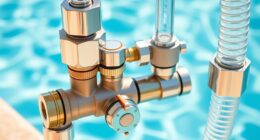

To prevent algae more effectively than algaecides, focus on maintaining strong natural filtration, such as supporting beneficial bacteria and cleaning filters regularly. Keep organic debris under control, and use routine water testing to balance pH and nutrients. Limit sunlight exposure by adding shade or aquatic plants, and guarantee good water movement with pumps or aerators to prevent stagnation. Building a healthy ecosystem through these habits creates a resilient environment—discover more ways to keep algae at bay as you continue.

Get pool and patio gear delivered free — and shop member deals
- Fast, free delivery on millions of items
- Access to Prime Big Deal Days deals on October 6–7
- Prime Video, Amazon Music and more included
Key Takeaways
- Prioritize natural biological filtration and regular cleaning to remove nutrients that promote algae growth.
- Maintain consistent water circulation with pumps or aerators to prevent stagnant, algae-favorable conditions.
- Control sunlight exposure through shading and aquatic plants to reduce algae-promoting light levels.
- Regularly monitor and adjust water chemistry to keep pH and nutrient levels balanced.
- Foster a healthy, balanced ecosystem that naturally resists algae proliferation without chemical treatments.
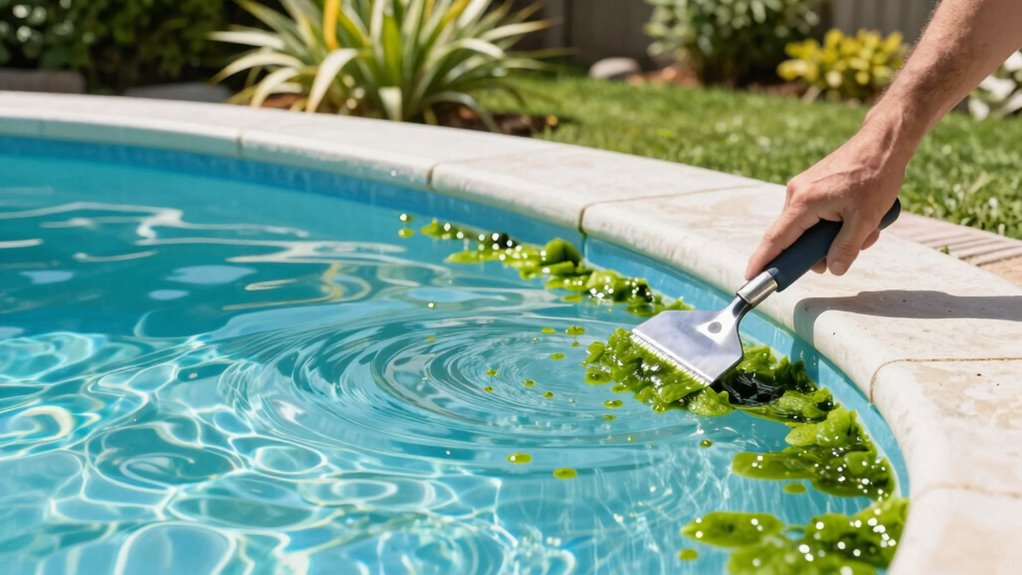
Algae growth can quickly turn your pond or pool into a murky, unappealing mess if you’re not proactive. While many people reach for algaecides to combat the problem, the real key lies in establishing effective habits that prevent algae from taking hold in the first place. One of the most crucial habits is maintaining natural filtration. This means supporting your pond or pool’s ecosystem to naturally remove excess nutrients and organic matter that algae thrive on. Installing a high-quality biological filter, for example, encourages beneficial bacteria to break down waste, reducing the nutrient load that fuels algae blooms. Regularly cleaning or backwashing your filtration system ensures it works efficiently, preventing buildup that can diminish its natural filtration capacity.
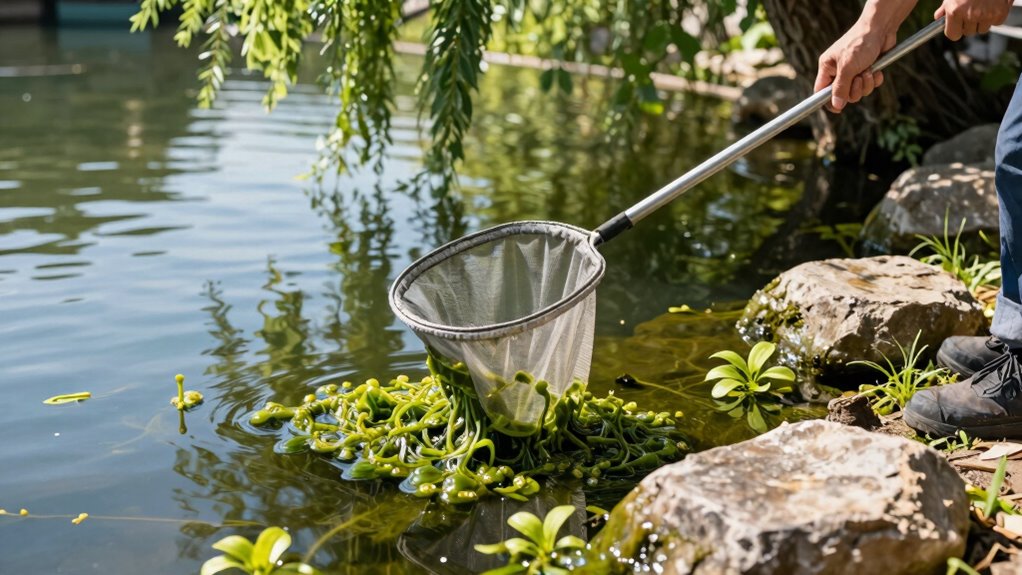
Equally important is committing to regular maintenance. Consistent skimming of debris, leaves, and other organic matter prevents decay, which releases nutrients into the water and promotes algae growth. You should also monitor water chemistry regularly, adjusting pH levels and nutrient concentrations as needed. Keeping water balanced hampers algae proliferation more effectively than relying solely on chemical treatments. It’s a proactive approach that minimizes the chances of algae taking over, instead of waiting until it’s a full-blown problem and resorting to harsh chemicals.
Another habit worth cultivating is controlling sunlight exposure. Algae thrive in sunlight, so installing shade structures or planting aquatic plants can help limit their growth. Shading reduces the amount of light that reaches the water, making it less hospitable for algae to flourish. Incorporating light management techniques can enhance these efforts by further reducing algae-friendly conditions. Proper water chemistry is also essential, as imbalances can create ideal conditions for algae to flourish. Coupled with regular maintenance, this habit creates an environment where algae struggle to establish themselves, reducing your dependence on algaecides.
You should also develop a routine for water circulation. Stagnant water provides an ideal environment for algae to grow, so running pumps or aerators regularly keeps the water moving. This not only prevents the buildup of nutrients but also enhances natural filtration by distributing oxygen and beneficial bacteria throughout the water. When combined with consistent cleaning and monitoring, this habit significantly diminishes algae’s chances of gaining a foothold.
In essence, the habits you develop—supporting natural filtration through proper filtration systems, committing to routine maintenance, controlling light exposure, and ensuring water movement—are far more effective than simply applying chemical algaecides. These practices create a balanced, healthy ecosystem that naturally resists algae growth. A key factor is understanding the importance of biological filtration, which plays a vital role in maintaining water quality. Over time, you’ll find that your pond or pool stays clearer and healthier, with less need for chemical interventions. It’s about being proactive and attentive, not reactive, so that algae never get the upper hand.
As an affiliate, we earn on qualifying purchases.
Frequently Asked Questions
How Long Does It Take for Algae to Return After Prevention?
Algae can start to grow back within a few days to a week if you don’t maintain proper prevention timing. Factors like sunlight, nutrients, and water circulation influence algae growth. To keep it at bay, you need consistent habits like brushing, skimming, and testing water quality. If you neglect these prevention practices, algae can quickly reappear, often within a week, making ongoing prevention essential for a clear, healthy pond or pool.
Can Natural Remedies Replace Chemical Algaecides Effectively?
Natural remedies can be effective as eco-friendly solutions and chemical alternatives, but they often work best when combined with proper pool maintenance. You might see algae control with natural options like enzymes, barley straw, or copper-based solutions, but their effectiveness varies. Keep in mind, they usually require more consistent application and patience compared to chemical algaecides, which deliver quicker results. So, natural remedies can replace chemicals, but you need to stay diligent.
What’s the Best Season for Algae Prevention?
You should focus on algae prevention during spring and early summer when seasonal changes and temperature fluctuations create ideal conditions for algae growth. Warmer water temperatures and increased sunlight promote algae proliferation, so start preventive habits early. Regular monitoring and maintaining proper water chemistry during these seasons help stop algae before it becomes a problem, reducing the need for algaecides and keeping your pond or pool healthier year-round.
How Often Should I Check My Pool’s Water Chemistry?
You should check your pool’s water chemistry at least twice a week. Regular testing helps you maintain proper pH balancing and guarantees your pool filtration system works efficiently. Keep an eye on pH levels between 7.2 and 7.6, and adjust chemicals as needed. Consistent monitoring prevents algae growth and keeps your water clear, reducing the need for algaecides and ensuring a safe, inviting swimming environment.
Are Algae Prevention Habits Different for Freshwater and Saltwater Pools?
Coincidentally, your pool maintenance routine varies slightly between freshwater and saltwater pools. You’ll want to focus more on water circulation and maintaining proper chemical balance in saltwater pools to prevent algae growth. Freshwater pools require similar habits but may need additional chlorine levels. Both types benefit from consistent skimming, brushing, and filtration, but understanding how salt interacts with your pool’s chemistry helps tailor your algae prevention habits effectively.
As an affiliate, we earn on qualifying purchases.
Conclusion
So, next time you’re tempted to reach for that bottle of algaecide, remember—your habits matter more than any chemical. Small, consistent actions can prevent algae before it even begins, saving you time, money, and frustration. But here’s the twist: the real secret lies in what you do when no one’s watching. Are you ready to take control and unleash the true power of prevention? The choice is yours—what will you do next?
As an affiliate, we earn on qualifying purchases.
As an affiliate, we earn on qualifying purchases.
Fall Picks
fall essentials
As an affiliate, we earn on qualifying purchases.