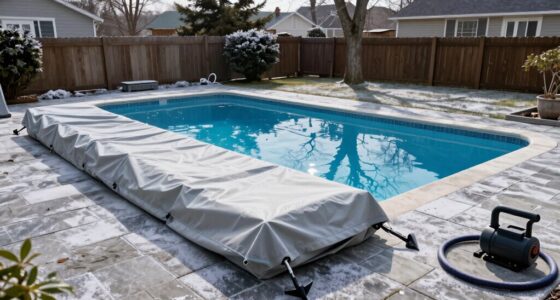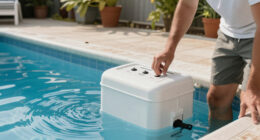

After filling your new pool, start by testing the water’s pH, alkalinity, and sanitizer levels using reliable test kits. Balance the chemicals to keep pH between 7.2-7.6, alkalinity at 80-120 ppm, and calcium hardness at 200-400 ppm. Turn on the pump and filter to circulate water for at least 24 hours. Perform shock treatments as needed, and consistently monitor water clarity and quality. If you keep these steps in mind, you’ll set a solid foundation for a safe and healthy pool environment.

Get pool and patio gear delivered free — and shop member deals
- Fast, free delivery on millions of items
- Access to Prime Big Deal Days deals on October 6–7
- Prime Video, Amazon Music and more included
Key Takeaways
- Immediately test water chemistry (pH, alkalinity, calcium hardness, sanitizer) before adding chemicals or swimming.
- Turn on the pump and filter right after initial chemical balancing; run continuously for at least 24 hours.
- Perform a shock treatment using appropriate chlorine or non-chlorine shock to eliminate bacteria and organic contaminants.
- Regularly monitor and adjust chemical levels to maintain pH 7.2–7.6, alkalinity 80–120 ppm, and calcium hardness 200–400 ppm.
- Establish routine maintenance, including daily testing, filter cleaning, and water circulation to ensure water clarity and safety.
As an affiliate, we earn on qualifying purchases.
Initial Water Testing and Chemical Balance
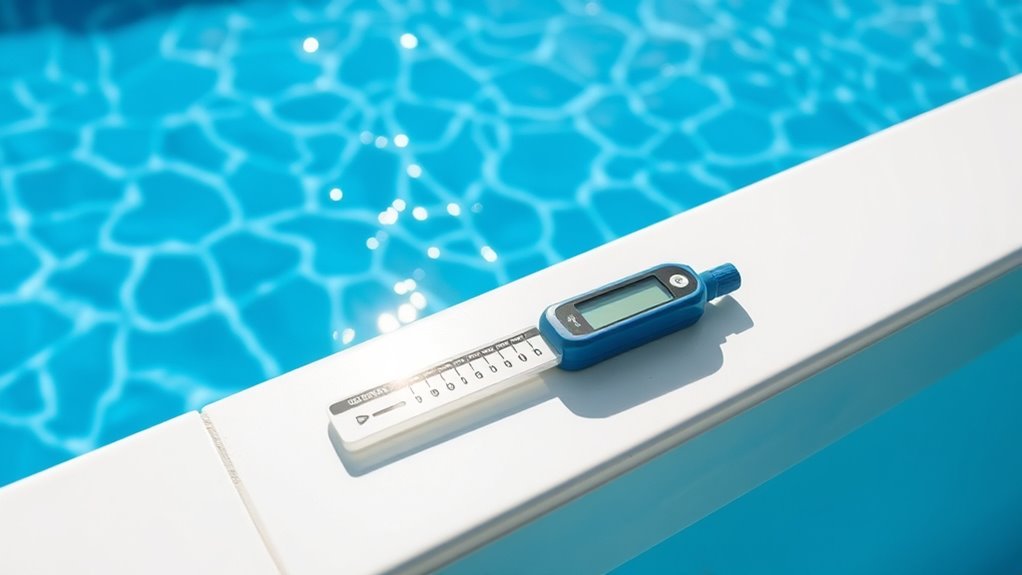
Have you ever wondered why proper initial water testing is essential before starting a new water system? It’s vital because testing reveals the water’s current chemical levels, helping you identify imbalances that could cause problems later. You’ll want to check pH, alkalinity, calcium hardness, and sanitizer levels. If any readings are off, you can adjust them early to prevent issues like cloudy water, scaling, or algae growth. Proper testing ensures the water is safe, balanced, and ready for the addition of sanitizers and other chemicals. This step sets the foundation for maintaining a clean, healthy pool environment. Skipping it might lead to costly repairs or ineffective sanitation down the line. Taking the time to test and balance water now saves you hassle and ensures your pool stays pristine.
As an affiliate, we earn on qualifying purchases.
Shocking the Pool for Sanitization
When shocking your pool, choosing the right type of sanitizer is essential to effectively eliminate contaminants. Make certain you add the correct chlorine dosage to avoid over- or under-shocking, which can affect water quality. Finally, apply the shock evenly across the pool surface to ensure thorough sanitization and clear, safe water. Incorporating proper storage techniques for pool chemicals can also help maintain their effectiveness and safety during use.
Proper Shock Types Selection
Choosing the right type of shock for your pool is essential to effectively eliminate contaminants and restore water clarity. There are two main types: chlorinating shocks and non-chlorine shocks. Chlorinating shocks contain a high dose of chlorine, quickly raising chlorine levels to kill bacteria, algae, and organic contaminants. They are ideal for initial sanitation or heavy contamination. Non-chlorine shocks, or potassium monopersulfate, don’t add chlorine but oxidize organic matter, helping clear cloudy water without increasing chlorine levels. Use non-chlorine shock for routine maintenance or if your chlorine levels are already high. Always follow manufacturer instructions for dosage and application. Proper selection guarantees effective sanitization without over-shocking, which can cause imbalance or skin irritation. Knowing your water’s condition helps you choose the appropriate shock type for a safe, clear pool. Additionally, understanding water chemistry is crucial for maintaining optimal water quality and preventing issues caused by improper shock use.
Correct Chlorine Dosage
Correct chlorine dosage is key to effectively sanitizing your pool after applying a shock. Too little chlorine won’t eliminate bacteria and algae, while too much can cause skin irritation and equipment damage. To determine the right amount, test your water regularly and follow manufacturer instructions based on your pool’s size and current chlorine levels. Always wear protective gear when handling chemicals and add chlorine gradually to avoid over-shocking. Remember, proper dosing guarantees safe, clean water without harming swimmers or the pool’s surfaces. Using a properly calibrated test kit can help ensure accurate readings and prevent over- or under-chlorination. Distribute chlorine evenly across the pool for uniform sanitation.
Effective Application Techniques
Are you ready to effectively shock your pool for ideal sanitization? First, choose a high-quality pool shock product, such as calcium hypochlorite or a non-chlorine shock, based on your pool’s needs. Always follow the manufacturer’s instructions for proper dosage. To apply, evenly broadcast the shock across the deepest part of the pool while the pump runs to ensure proper circulation. Avoid adding shock directly into skimmer baskets or near pool walls to prevent staining. For faster results, brush the pool surfaces before shocking to remove debris and algae. After application, keep the pump running for at least 8 hours or overnight. Test your water afterward to confirm chlorine levels and ensure the pool is safe for swimming.
chlorine and non-chlorine pool shock
As an affiliate, we earn on qualifying purchases.
As an affiliate, we earn on qualifying purchases.
Adjusting Ph, Alkalinity, and Calcium Hardness
Adjusting pH, alkalinity, and calcium hardness is essential for maintaining balanced and healthy water in your start-up system. Proper levels prevent corrosion, scale buildup, and irritation, ensuring your pool stays inviting and safe. To achieve this, test your water frequently using reliable test kits. If pH is too low (below 7.2), add a pH increaser; if it’s too high (above 7.8), add a pH reducer. For alkalinity, aim for 80-120 ppm—adjust with alkalinity increasers or decreasers accordingly. Calcium hardness should be between 200-400 ppm to prevent scale or etching. Keep in mind: regular testing helps maintain ideal levels, adjustments should be gradual to avoid shock, and balance is key to long-term water quality. Additionally, monitoring the presence of beneficial ingredients like collagen and hyaluronic acid can enhance the effectiveness of eye patches used for eye area care.
As an affiliate, we earn on qualifying purchases.
Circulation and Filtration Setup
Once you’ve set proper water chemistry, establishing an effective circulation and filtration system is the next step to keep your pool clean and clear. Turn on your pump and filter to start circulating water immediately. Make sure the pump operates smoothly, without leaks or unusual noises. Check that the filter is properly installed and clean; if it’s a cartridge filter, ensure the cartridge is clean or new. For sand or DE filters, verify that the media is in good condition. Run the system continuously for at least 24 hours to ensure all water passes through the filter. This helps remove debris, distributes chemicals evenly, and promotes even water quality. Regularly check pressure gauges and backwash or clean the filter as necessary during this initial startup phase. Additionally, monitor the filter pressure to identify when it’s time to backwash and maintain optimal flow.
Monitoring Water Clarity and Quality
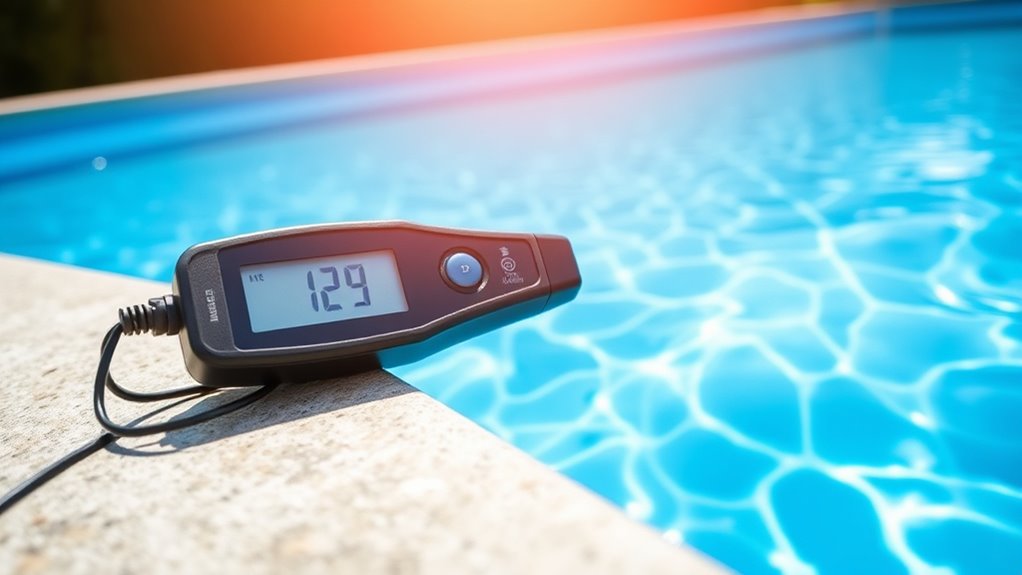
How can you guarantee your pool water remains clear and healthy? Regularly monitor the water’s appearance and chemical levels. Check for cloudiness, debris, or discoloration, which can indicate imbalances. Use a reliable test kit to measure pH, chlorine, alkalinity, and stabilizer levels, adjusting as needed. Keep an eye on the water’s smell and overall clarity, since these can signal issues early. Consistent testing helps prevent problems before they escalate, ensuring safe, inviting water. Monitoring water chemistry closely is essential for maintaining a balanced and healthy pool environment.
Preventing Algae Growth and Bacterial Development
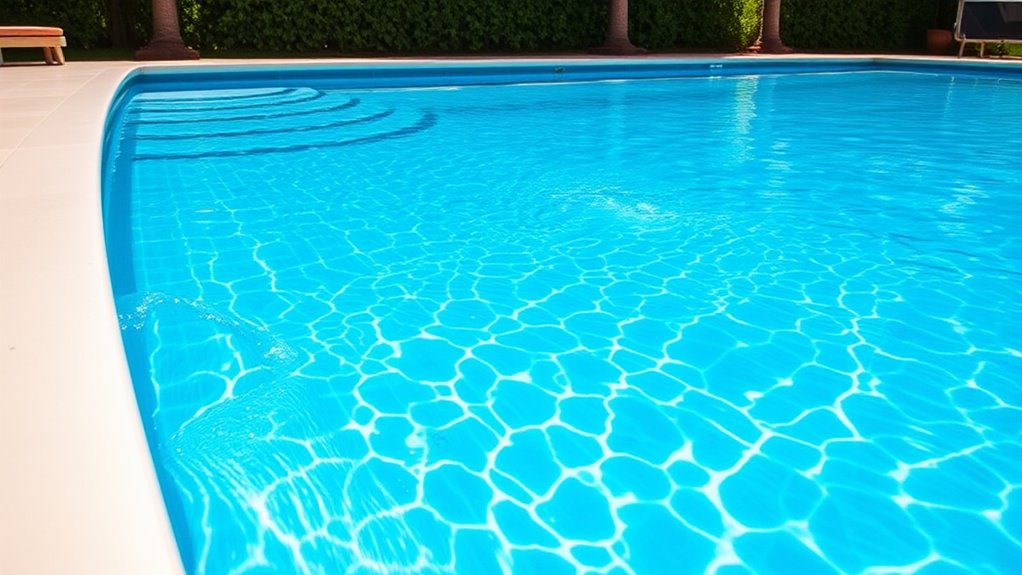
To prevent algae growth and bacteria, you need to keep chlorine levels properly maintained. Regular water circulation helps distribute chemicals evenly and discourages buildup. Start with initial chemical testing to ensure your water is safe and prepared for ongoing maintenance.
Proper Chlorine Levels
Maintaining proper chlorine levels is essential for preventing algae growth and bacterial development in your water system. When chlorine is at the right level, it effectively disinfects the water, keeping it safe and clear. Test your chlorine levels regularly with a reliable test kit, aiming for 1-3 ppm. If levels drop too low, bacteria and algae can thrive; if too high, your water may become irritating and unbalanced. To maintain ideal levels, add chlorine as needed, especially during the first 48 hours after filling your pool. Keep in mind: proper testing methods are vital to ensure accurate readings and effective disinfection.
- Always test chlorine levels before swimming or adding chemicals
- Use stabilized chlorine products to prolong disinfectant effects
- Avoid over-chlorinating, which can cause skin irritation and cloudy water
Regular Water Circulation
Regular water circulation is crucial for preventing algae growth and bacterial development in your pool. When water moves consistently, it distributes chemicals evenly and discourages stagnant areas where algae can thrive. To maintain proper circulation, run your pump for at least 8-12 hours daily, especially during the first 48 hours. Check the circulation system’s components, like skimmers and return jets, to ensure they’re functioning correctly. Use the table below to optimize your circulation strategy:
| Component | Purpose | Tips |
|---|---|---|
| Pump | Circulates water | Run consistently, clean filter regularly |
| Skimmers | Remove surface debris | Keep clean for smooth flow |
| Return Jets | Distribute water | Adjust for even flow distribution |
Consistent circulation keeps your pool clear and healthy.
Initial Chemical Testing
After setting up your pool’s circulation system, it’s important to verify that the water chemistry is balanced from the start. Proper chemical testing helps prevent algae growth and bacterial development early on. Use test strips or a liquid test kit to check pH, sanitizer levels, and alkalinity. Adjust chemicals as needed to keep pH between 7.2 and 7.6 and sanitizer levels appropriate for your pool type. Regular testing during the first 48 hours ensures water remains clear and safe. Additionally, understanding water chemistry can help you better maintain optimal conditions and prevent common issues.
- Test pH and adjust with pH increaser or decreaser
- Check sanitizer levels, adding chlorine or other sanitizers if necessary
- Monitor alkalinity to maintain stability in water chemistry
Establishing a Regular Maintenance Routine
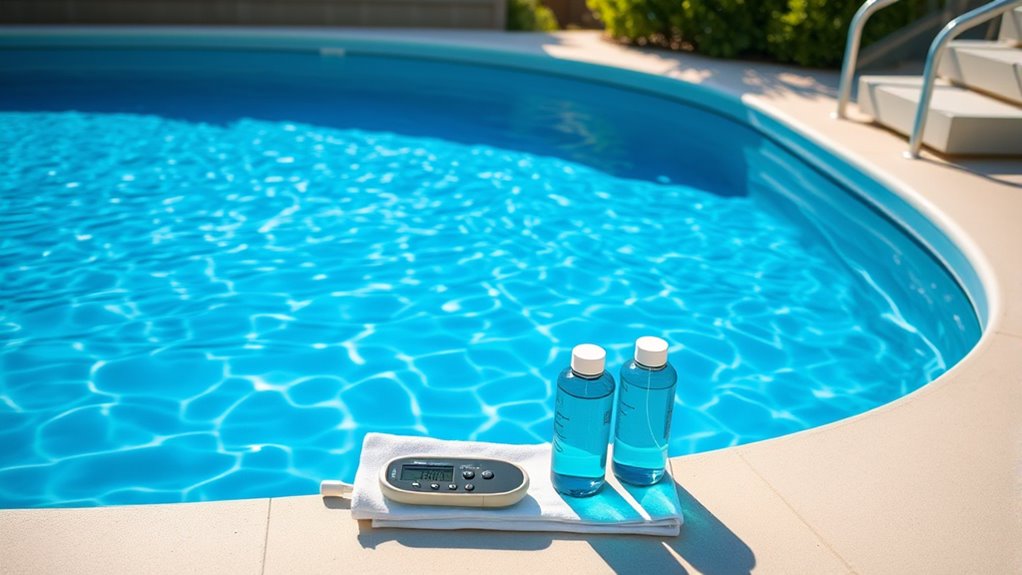
To keep your water startup running smoothly, you need to establish a consistent maintenance routine. Regularly test your water’s chemistry, focusing on pH, chlorine, alkalinity, and stabilizer levels. Schedule daily checks during the first week, then reduce frequency as conditions stabilize. Clean your filter regularly to ensure proper circulation and clarity. Skim debris from the surface daily and brush the pool walls weekly to prevent algae buildup. Maintain a record of your tests and maintenance tasks to track changes and identify patterns. Keep an eye on water levels and add water as needed to compensate for evaporation. Tuning your pool equipment periodically can also improve efficiency and longevity. Consistency is key to preventing issues like cloudy water, algae growth, and equipment wear. A steady routine will help you enjoy your pool with minimal problems.
Frequently Asked Questions
How Long Should I Wait Before Swimming in the New Pool?
You should wait at least 24 to 48 hours before swimming in your new pool. During this time, the water chemistry stabilizes, and chlorine levels balance out, ensuring it’s safe. Avoid swimming until your water tests show proper pH and sanitizer levels, and the water is clear. This waiting period helps prevent skin irritation and other health issues, giving you peace of mind to enjoy your new pool safely.
What Are the Signs of Improper Chemical Balance?
Improper chemical balance is a red flag you can’t ignore. If your water’s cloudy like a mystery novel, has a strong chlorine smell, or causes red eyes and skin irritation, you’re in trouble. You might also notice algae growth or pH swings. These signs mean your pool needs immediate attention. Keep testing regularly, and don’t hesitate to adjust chemicals to keep your water crystal clear and perfectly balanced.
How Often Should I Test the Water During the First Week?
You should test your pool water at least twice a day during the first week. Morning and evening tests help you monitor pH, chlorine levels, and alkalinity as they fluctuate. Adjust chemicals as needed to keep everything balanced, preventing issues like algae growth or cloudy water. Regular testing guarantees your pool stays safe, clean, and ready for swimming, making maintenance easier and more effective during this critical initial period.
Can I Use Any Water Source to Fill My Pool?
You can’t just use any water source to fill your pool; imagine pouring murky, untreated water into a crystal-clear pond. Ideally, use clean, potable water from a municipal supply. If you’re using well water, test it for contaminants and adjust your filtration and chemical levels accordingly. Ensuring the water is safe from the start prevents algae, bacteria, and cloudiness, making your pool enjoyable and safe for swimming.
What Safety Precautions Should I Take During Initial Filling?
You should guarantee the water source is clean and safe before filling your pool. Wear protective gear like gloves and goggles to prevent splashes. Check for any leaks in hoses or connections to avoid water waste or damage. Keep children and pets away during filling. Also, monitor water levels regularly and avoid overfilling. Properly handle chemicals if needed, and maintain good ventilation if working nearby.
Conclusion
In those first 48 hours, your pool’s water is like a blank canvas waiting to be perfected. By testing, balancing chemicals, and maintaining proper filtration, you set the stage for crystal-clear, healthy swimming. Keep a close eye on water quality and stay proactive with regular maintenance. Just as a gardener tends to a delicate plant, your attention now guarantees your pool remains inviting and pristine for seasons to come.
Evergreen bestsellers Picks
bestsellers
As an affiliate, we earn on qualifying purchases.