To extend your salt cell’s lifespan, regularly maintain proper water chemistry by checking salt levels, pH, and alkalinity every few months. Clean the cell with gentle tools and appropriate cleaners like a commercial cell cleaner or diluted acid, avoiding metal brushes. Timely inspections for signs of wear, corrosion, or buildup help prevent damage. Consistent upkeep and following manufacturer guidelines can add years to your salt cell’s performance—continue here to learn more ways to maximize its longevity.
Key Takeaways
- Perform regular cleaning of the salt cell every 3 to 6 months to prevent mineral buildup and corrosion.
- Consistently monitor and maintain proper water chemistry, including pH and salt levels within recommended ranges.
- Routinely check salt levels with test kits and adjust to optimal levels to prevent damage and extend lifespan.
- Inspect for signs of wear, such as reduced chlorine output or corrosion, and replace the cell promptly when needed.
- Follow manufacturer guidelines for maintenance routines and use gentle cleaning tools to avoid damaging the cell.

Salt Cell Cleaner for Pool – 3 L (101.5 fl oz) – Pool Salt Cell Cleaner Solution for Saltwater Pools, Helps Reduce Scale Buildup & Support Generator Performance (SWG) – BubbyShine
SALT CELL CLEANER PRO-GRADE: Salt cell cleaner for saltwater pools that supports consistent performance and polished water quality.
As an affiliate, we earn on qualifying purchases.
As an affiliate, we earn on qualifying purchases.
How Regular Maintenance Can Help Your Salt Cell Last Longer

Regular maintenance is essential to keep your salt cell functioning efficiently and extend its lifespan. Consistent maintenance routines help maximize salt cell longevity by preventing buildup and corrosion that can impair performance. Checking salt levels regularly ensures the cell operates in ideal conditions, reducing strain on the system. Monitoring cell voltage and cleaning or replacing electrodes as needed also support long-term health. Skipping routine checks can lead to mineral deposits, which hinder chlorine production and cause premature failure. Establishing a maintenance schedule allows you to catch issues early and avoid costly replacements. Installing protective accessories can also help shield your salt cell from environmental damage. Additionally, understanding salt cell lifespan and its factors enables more informed maintenance decisions. Being aware of system performance indicators can help you detect issues before they become serious. Implementing proper water chemistry is crucial for maintaining optimal conditions and preventing damage. By staying proactive with your maintenance routines, you ensure your salt cell remains effective, saving you money and hassle while enjoying cleaner, healthier pool water longer.

All-New 2026 8-in-1 Pool Test Strips -150 CT Pool Salt Test Strips | Salt Water Pool Testing Kit for Salt Water Pools, in & Above-Ground Pools, Hot Tubs&Spas| Quick&Accurate Testing Chlorine,pH,Salt
Premium Quality 8-in-1 Pool Test Strips– Crafted with premium Nordic fiber paper, our Salt Water Pool Testing Kit…
As an affiliate, we earn on qualifying purchases.
As an affiliate, we earn on qualifying purchases.
How to Properly Clean Your Salt Cell Without Damage
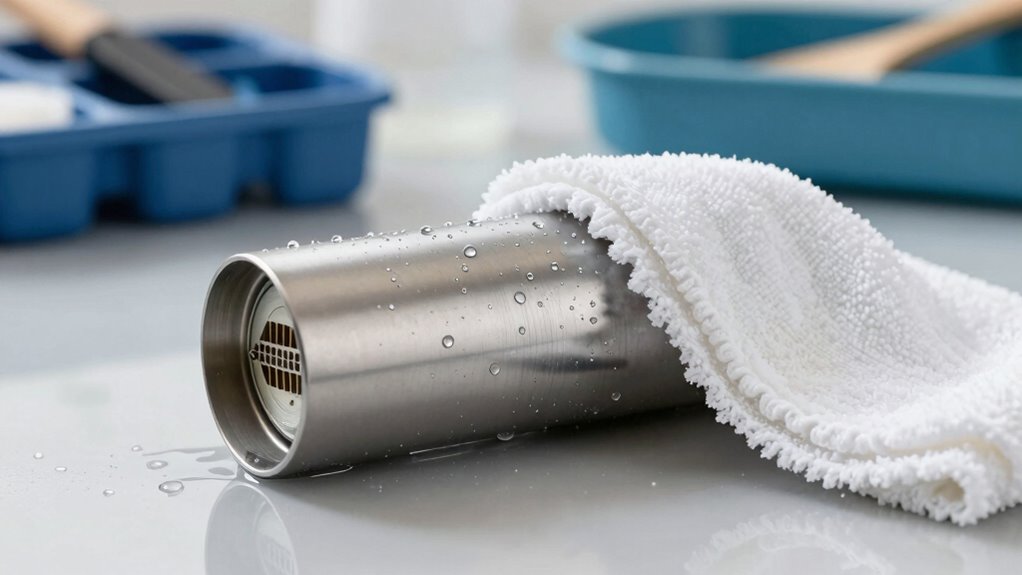
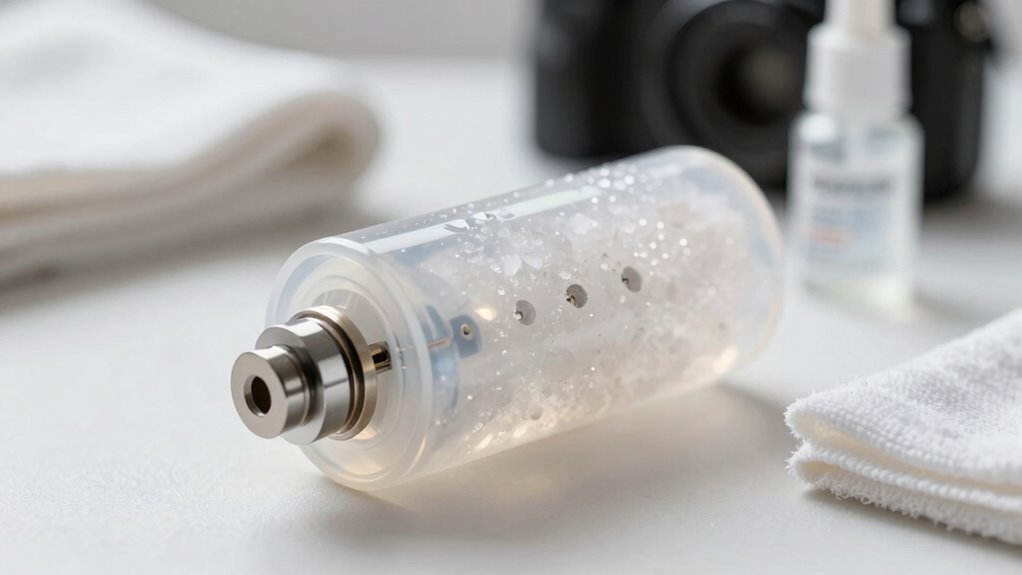
Cleaning your salt cell properly is essential to prevent damage and guarantee it functions efficiently. To avoid scaling and mineral buildup, start by turning off your pool pump and disconnecting the salt cell. Prepare a cleaning solution using a mixture of water and muriatic acid or a commercial cell cleaner designed for salt systems. Submerge the cell in the solution for about 10-15 minutes, gently brushing away any deposits with a non-abrasive brush. Avoid using metal tools that could scratch the surface. Rinse the cell thoroughly with water to remove all traces of acid or cleaner. Proper cleaning prevents scaling buildup that can impair cell performance and extends its lifespan. Regular maintenance like this keeps your salt cell operating smoothly and reduces the need for costly replacements. Understanding salt cell maintenance is key to maximizing its lifespan and ensuring optimal pool sanitation.

Crystal Smart Water Monitor for Salt Water Pools & Hot Tubs – 24/7 Continuous Digital Water Testing with App Notifications & Customized Chemical Dosing (New Model)
SIMPLIFIED POOL & HOT TUB CARE: The Crystal Smart Water Monitor actively tests your pool or hot tub's…
As an affiliate, we earn on qualifying purchases.
As an affiliate, we earn on qualifying purchases.
How to Monitor Salt Cell Water Chemistry to Prevent Damage

Monitoring your salt cell’s water chemistry is essential to prevent damage and guarantee ideal performance. Regularly check the salt level to ensure it stays within the recommended range; low salt can lead to poor chlorine production, while high salt may cause scaling. Additionally, keep an eye on the pH balance, aiming for a range of 7.2 to 7.6. An imbalanced pH can corrode the cell or reduce its efficiency. Use test strips or digital testers for accurate readings, and adjust your pool’s chemicals accordingly. Proper water chemistry management is crucial for maintaining a healthy and efficient pool system. Regular monitoring helps you catch issues early, avoiding costly repairs or premature cell failure. Incorporating routine checks into your pool maintenance ensures your salt cell operates smoothly and lasts longer, especially when you understand the importance of water quality. Consistent monitoring can also help prevent mineral buildup, which impairs performance and shortens the lifespan of your salt cell.

Swimpulse Salt Cell – up to 40,000 Gallons Swimming Pool Chlornie Generator,Salt Cell for Pool,Chlorination Pool Salt Cell Fits for Hayward W3T-CELL-15 BL1T15H
【UNIVERSAL COMPATIBILITY 】Fits for Hayward salt cell T-15, model Hayward Goldline Aqua Rite, AquaLogic, SwimPure, Mineral Springs, NatureSoft,…
As an affiliate, we earn on qualifying purchases.
As an affiliate, we earn on qualifying purchases.
Signs Your Salt Cell Is Worn Out and When to Replace It
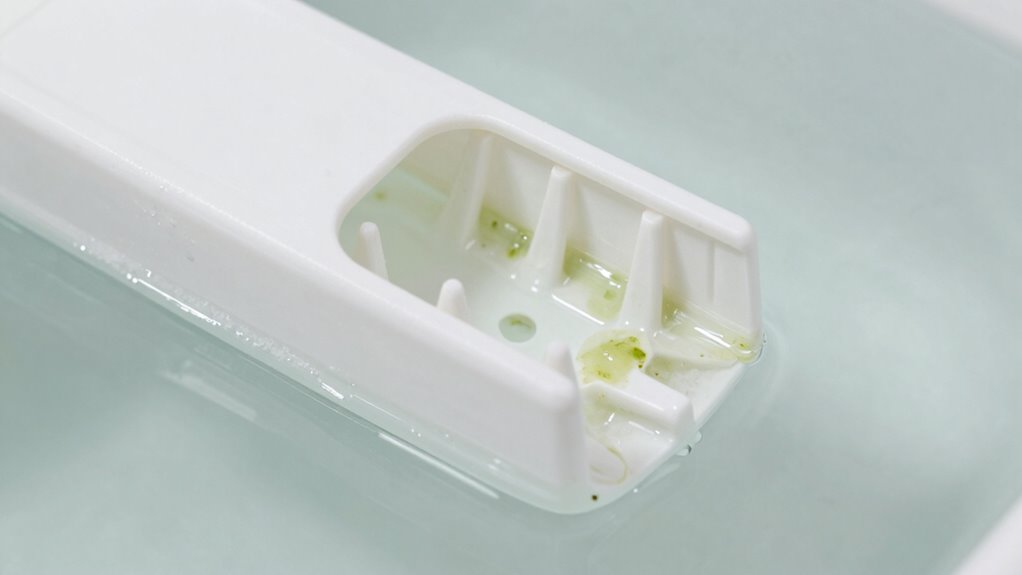
If your salt cell isn’t producing enough chlorine, it’s likely a sign it’s wearing out. You might also notice corrosion or leaks around the unit, indicating it’s past its prime. Recognizing these signs early helps you know when it’s time to replace your salt cell before problems worsen.
Reduced Chlorine Production
Reduced chlorine production is a clear sign that your salt cell may be nearing the end of its lifespan. When you notice less chlorine being generated, it indicates a decline in the salt cell’s efficiency and overall chloride output. This chlorine reduction affects water quality and pool sanitation, so timely replacement is essential. To diagnose, check your pool’s chlorine levels regularly; if they drop despite proper salt levels and cleaning, your salt cell might be worn out.
| Salt Cell Condition | Chlorine Production | Replacement Indicator |
|---|---|---|
| New or Well-Maintained | Consistent | No action needed |
| Aging or Dirty | Reduced | Consider replacing |
| Near End of Lifespan | Significantly decreased | Time to replace |
| Fully Worn Out | Minimal or none | Replace immediately |
Corrosion or Leaks
As your salt cell ages or shows signs of wear, corrosion and leaks become common indicators that it needs attention. Corrosion prevention is key, so regularly inspect your cell for rust or mineral buildup. If you notice white or greenish deposits, it’s a sign corrosion may be starting. Leaks are another warning sign—water around the cell or pooling in the equipment area suggests a leak. Early leak detection can prevent further damage and costly repairs. Additionally, understanding the salt cell lifespan can help you schedule timely replacements before serious issues arise. Regular maintenance and inspections, including checking for corrosion signs, are essential for optimal system performance. Proper chlorine production depends on a well-maintained salt cell, so addressing these issues promptly ensures ideal chlorine production and prolongs the life of your system.
How Often Should You Clean and Check Your Salt Cell?
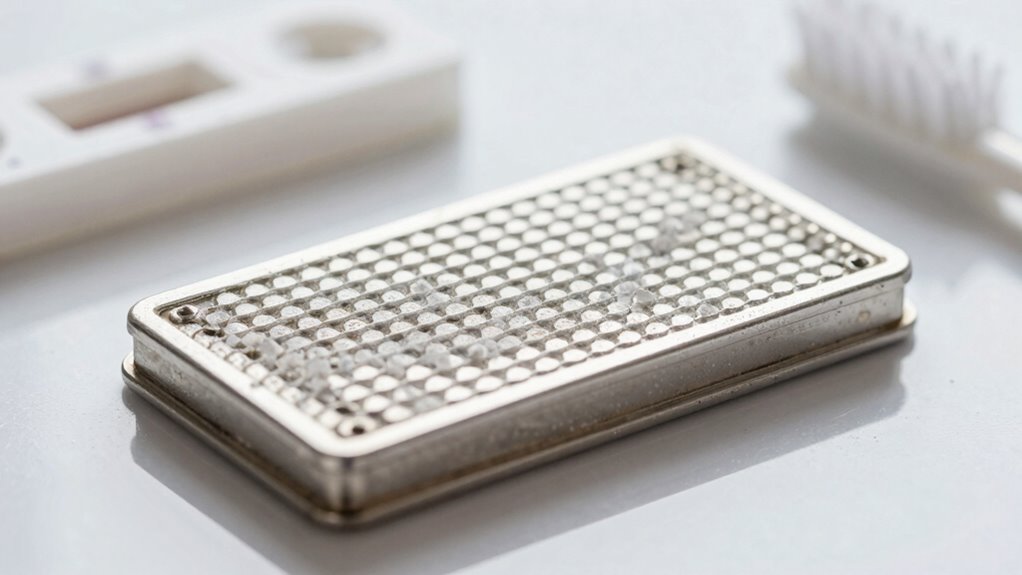
Regularly inspecting and cleaning your salt cell is essential to keep your pool’s saltwater system functioning effectively. How often you check it depends on your pool’s usage and water conditions, but a good rule of thumb is every 3 to 6 months. Monitoring your pool chemistry helps identify imbalances that can affect salt cell performance and longevity. If you notice a drop in chlorine levels or scaling buildup, it’s time to clean the cell. Regular maintenance prevents mineral deposits and corrosion, which can shorten the salt cell lifespan. Keep an eye on salt levels and overall system operation, checking for any irregularities. Consistent inspections and cleanings ensure your salt cell remains in excellent condition, extending its lifespan and maintaining a healthy, balanced pool. Proper maintenance is also key to optimizing your salt cell’s efficiency and durability over time. Additionally, consulting your salt cell manufacturer’s guidelines can provide specific instructions tailored to your system. Understanding the effects of water chemistry on your salt cell can help you prevent common issues and prolong its life. Regularly testing your water and adjusting chemical levels accordingly can also help prevent mineral buildup and improve system performance.
What Are the Best Products and Tools for Cleaning Your Salt Cell?
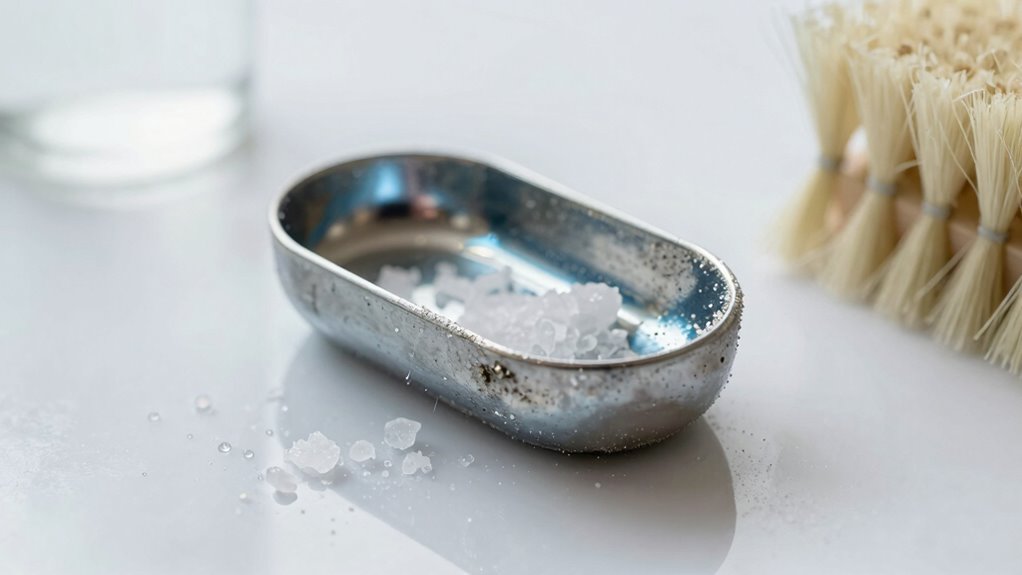
Choosing the right products and tools makes cleaning your salt cell more effective and easier to do. To guarantee proper pool water balance and protect the salt cell material, use gentle, non-corrosive cleaners specifically designed for salt systems. A soft-bristle brush or a nylon scrub pad helps remove scale without damaging the cell’s surface. Vinegar or a specialized salt cell cleaner dissolved in water can effectively break down mineral buildup. A reliable multimeter allows you to check the cell’s voltage, ensuring it functions correctly. Additionally, having a garden hose with a spray nozzle helps rinse off debris and residue thoroughly. These tools and products help maintain ideal pool water balance, extend your salt cell’s lifespan, and keep your pool crystal clear.
Common Mistakes That Shorten Your Salt Cell’s Life

One of the biggest mistakes that can shorten your salt cell’s lifespan is neglecting proper maintenance routines. Incorrect water balance, such as too high or too low salt levels, stresses the cell and causes premature wear. This imbalance can lead to scaling or corrosion, reducing efficiency and damaging the unit. Additionally, ignoring manufacturer guidelines often results in improper cleaning, chemical use, or operation, all of which can harm the salt cell. Overlooking these instructions might seem harmless but can cause buildup or deterioration that shortens its lifespan. Regularly checking water chemistry and following your manufacturer’s recommendations are essential. Neglecting these basic practices can lead to costly replacements and decreased pool health, so stay vigilant with your maintenance routine to ensure your salt cell lasts as long as possible.
Tips to Maximize Your Salt Cell’s Performance and Efficiency
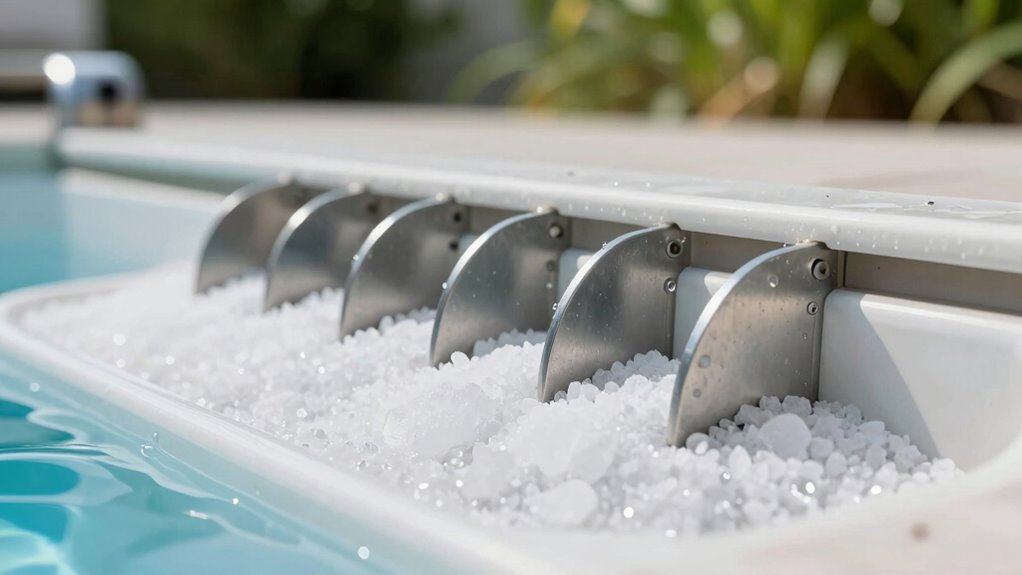
Maintaining proper water chemistry is key to keeping your salt cell running at peak performance. Regularly check your salt levels management to guarantee your pool has the ideal salinity. Proper salt cell installation helps prevent issues like scaling or corrosion, which can affect efficiency. To maximize performance, clean your salt cell regularly to remove mineral buildup. Monitor your pool’s pH and chlorine levels to avoid stress on the cell. Additionally, keep an eye on calcium hardness to prevent scaling. Here are some tips to boost your salt cell’s efficiency:
Proper water chemistry and regular cleaning optimize your salt cell’s performance.
- Use a salt test kit frequently to maintain proper salt levels
- Clean the salt cell as recommended by the manufacturer
- Adjust pool chemistry to avoid extreme pH or alkalinity fluctuations
- Ensure correct salt cell installation for optimal operation
Frequently Asked Questions
How Does Water Temperature Affect Salt Cell Longevity?
Water temperature directly impacts your salt cell’s longevity by affecting its chemical compatibility and efficiency. When water is too warm, it accelerates mineral buildup and corrosion, shortening the cell’s lifespan. Conversely, cooler water helps maintain proper chemical balance, reducing wear. Regularly monitor water temperature and keep it within the manufacturer’s recommended range to protect your salt cell, prolong its life, and guarantee ideal pool sanitation.
Can Using Certain Pool Chemicals Harm the Salt Cell?
Certain pool chemicals can be gentle on your salt cell if used correctly, but harsh chemicals or imbalanced pool chemistry may wear it down prematurely. Strong chlorinating agents or algaecides can cause damage, impacting water filtration and overall longevity. To preserve your salt cell, always follow manufacturer guidelines, maintain proper water chemistry, and avoid mixing incompatible chemicals — these small steps help guarantee your system runs smoothly for years.
What Is the Ideal Salt Level for Extending Salt Cell Life?
You should keep your salt level between 2700 and 3400 ppm to extend your salt cell’s life. Maintaining proper chemical balance is essential; too low or high salt levels can cause corrosion or inefficient operation. Regularly test your water and adjust the salt level as needed. Staying within this ideal range helps prevent damage, reduces wear and tear, and guarantees your salt cell functions at its best for years to come.
How Often Should the Salt Cell Be Inspected Visually?
You should inspect your salt cell visually every month. Don’t overlook the signs of buildup or corrosion, as these can threaten your pool water clarity and signal imminent salt cell replacement. Regular inspections catch issues early, extending the cell’s lifespan and ensuring smooth operation. Neglecting this essential step could lead to costly repairs or replacements down the line, so stay vigilant and keep your pool sparkling.
Are There Signs of Early Salt Cell Failure I Should Watch For?
Watch for signs of early salt cell failure like salt cell corrosion or electrolyte depletion. You might notice reduced chlorine production, cloudy water, or a salty smell around the pool. Corrosion appears as white or crusty buildup on the cell, while electrolyte depletion can cause the cell to stop working altogether. Regular inspections help catch these issues early, allowing you to perform maintenance before costly repairs or replacements become necessary.
Conclusion
By following simple steps, staying vigilant, and sparingly servicing, you can markedly stretch your salt cell’s lifespan. Regular routines reduce risks, repair problems promptly, and restore performance. Remember, proper cleaning, consistent checks, and careful chemistry control cultivate a clean, cost-effective, and carefree swimming experience. Stay savvy, stay proactive, and safeguard your salt cell to enjoy sparkling, stress-free swims season after season. Your pool’s health hinges on your habits—so keep it clean, cautious, and consistently cared for.